Enter Category Name
Enter Category Name
Enter Category Name
Enter Category Name
Enter Category Name
100
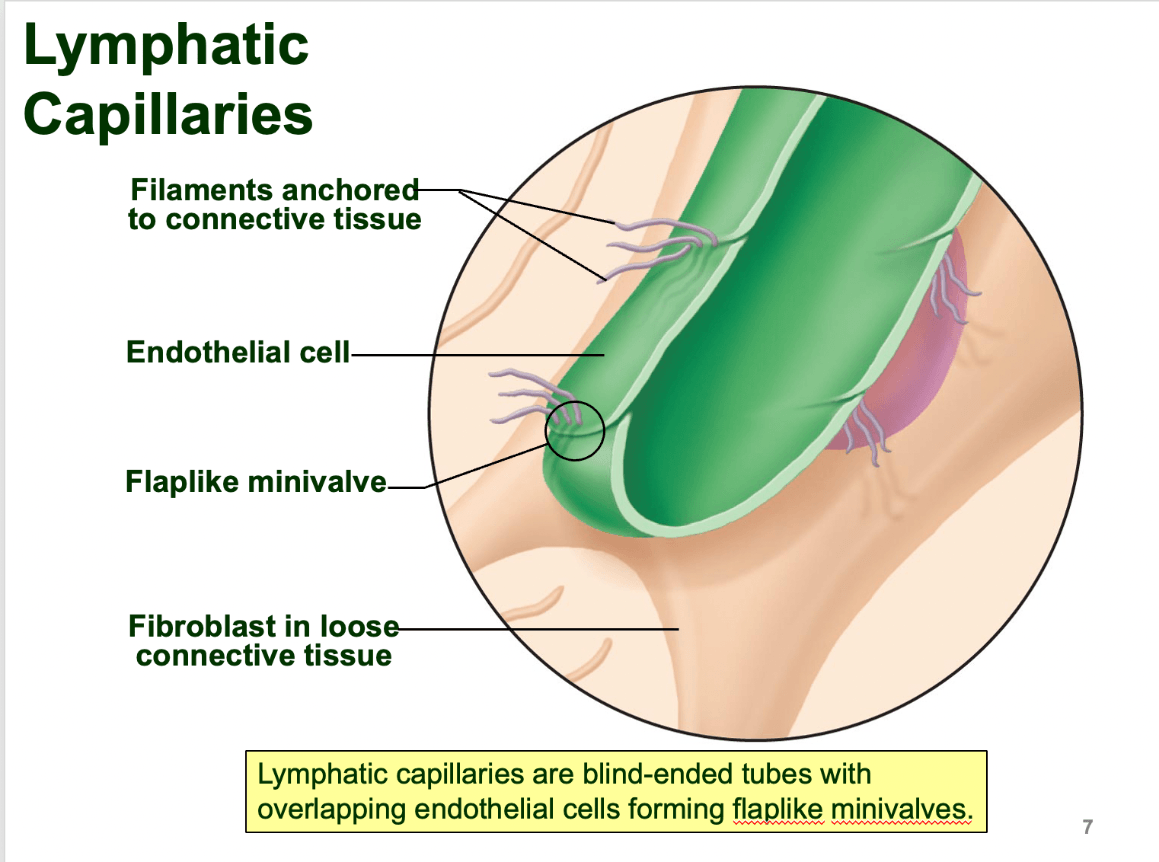
Explain the structure of the lymphatic capillaries and how that impacts its function
Lymphatic capillaries weave in and out between the tissue cells and the capillaries in the loose connective tissues in the body
Works like a one way swinging door: when the fluid pressure in the interstitial space is greater than the pressure in the lymph caps, the minivalves open. When the pressure is greater inside the lymph caps, it forces the minivalves to shut which stops lymph from leaking back out
- Lymph vessels are really permeable due to 2 reasons: 1. The endothelial cells that form the walls of the lymphatic caps are not tightly joined so it helps to form a minivalve because the edges of the adjacent cells overlap loosely 2. Collagen filaments anchor the endothelial cells to surrounding structures so theres an increase in interstitial fluid volume
100
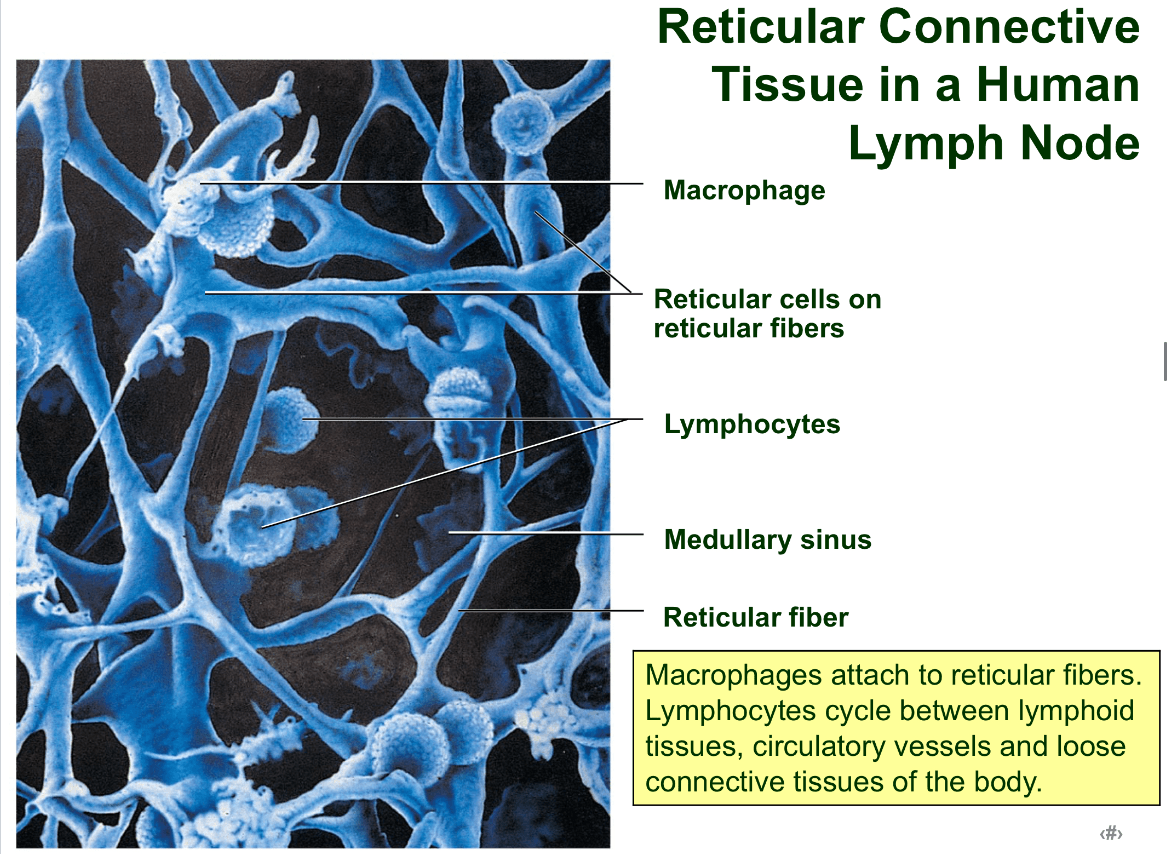
Where do macrophages attach?
Reticular cells
100
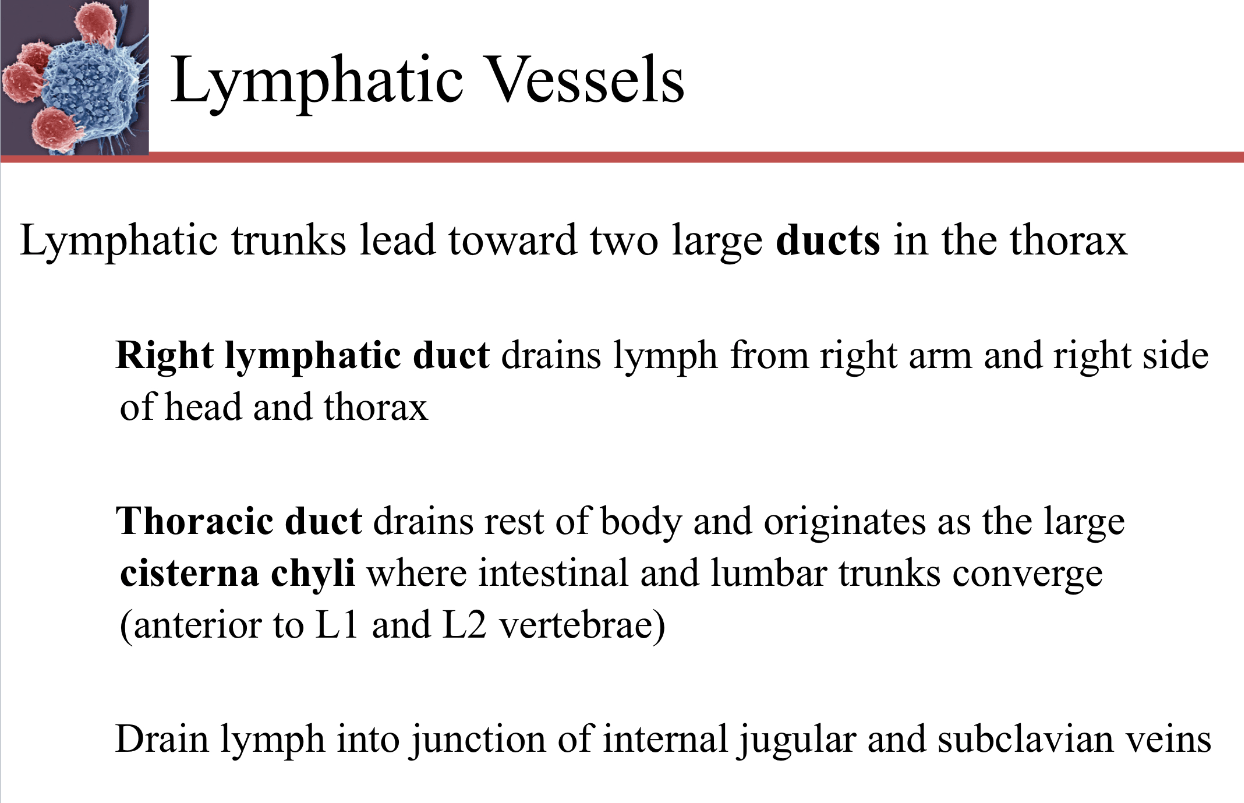
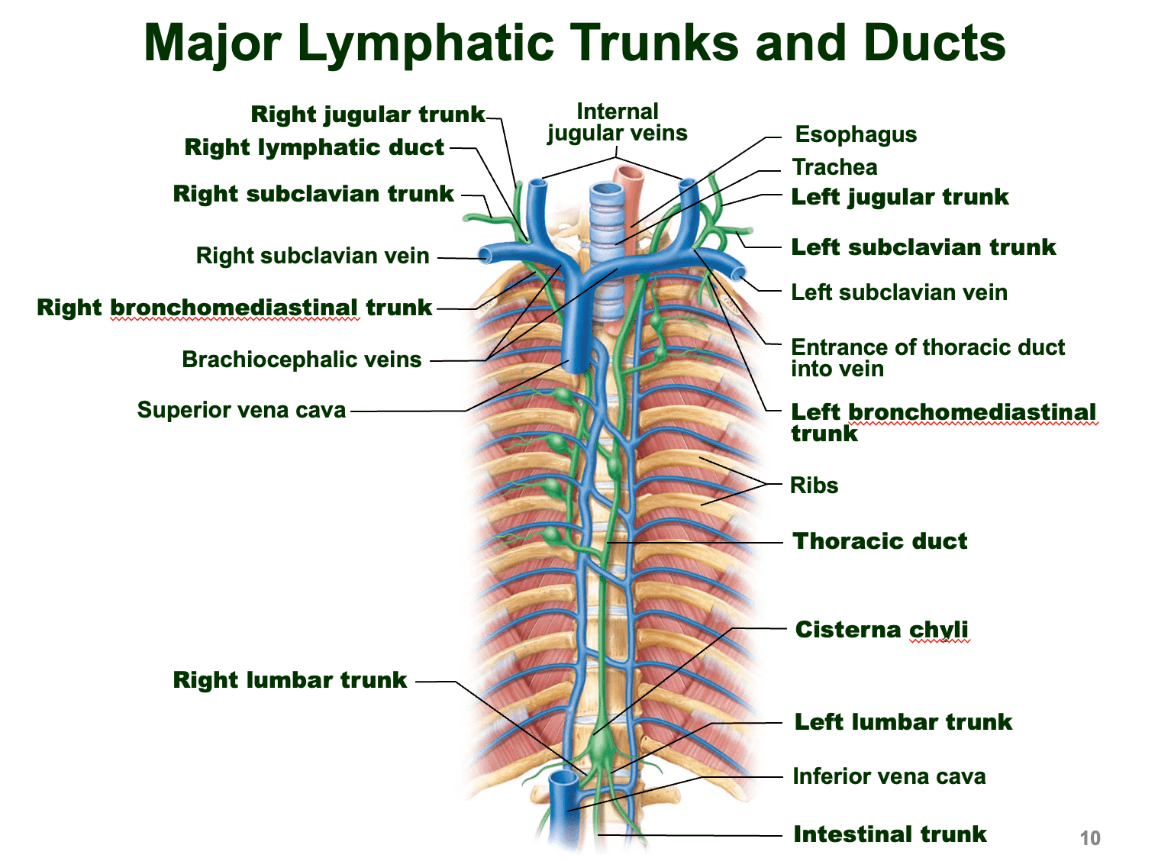
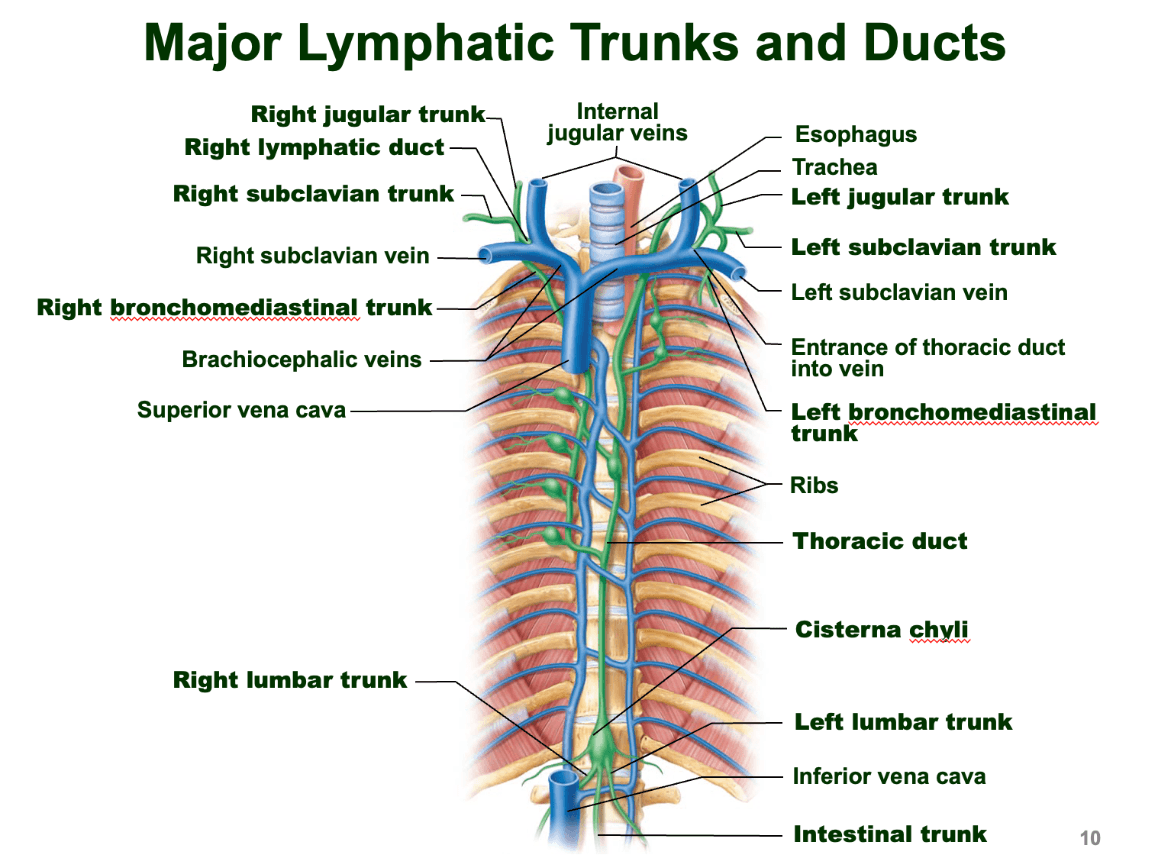
The lymphatic trunks drain into two large ducts. What are those ducts
100
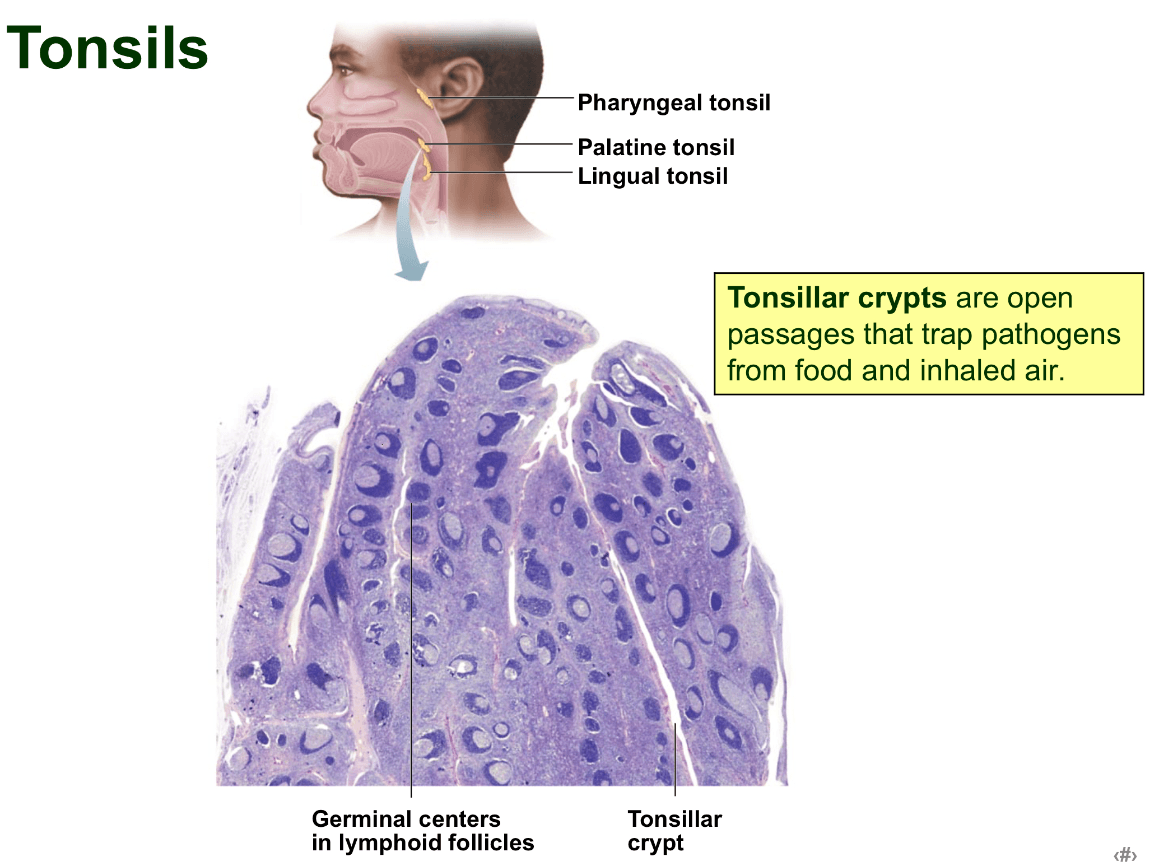
This mucous associated lymphoid tissue collects and removes pathogens that enter the pharynx in food or inhaled air. What is it called? Name the types of this tissue and what impact do the crypts
The tonsils
Palatine tonsils-back of the throat, largest and often the most infected
Lingual tonsils-at the base of the tongue
Pharyngeal tonsils-aka the adenoids, posterior wall of the nasopharynx
Tubal tonsils-surround the openings of the auditory tubes into the pharynx
The tonsils have tonsillar crypts which trap bacteria and particulate matter
100
Name the lymphatic trunks
Intestinal(single)
lumbar, bronchomediastinal, subclavian and jugular(left and right)
200
In what ways is lymphatic transport promoted?
Lymph transport in the lymphatic vessels is promoted by skeletal muscle activity, pressure changes of breathing, pulsations of nearby arteries and lymphatic vessels
*note, this is the same as venous return*
200
What are the main lymphatic system structures
Lymphatic vessels, lymph, lymph nodes
Lymphatic organs: spleen, thymus, tonsils
200
Appendicitis is the inflammation of the appendix. Why is this an issue if left untreated?
Untreated appendicitis has risk of bursting, spilling infectious material into the abdominal cavity
200
What are the functions of the lymphatic system
-returns tissue fluid leaked from capillaries to circulation and helps maintain blood volume
-absorbs and transports fatty acids and fats from the digestive system as chyle
-provides sites for maturation of the immune system
-houses immune cells that resist pathogens and remove and destroy foreign matter
300
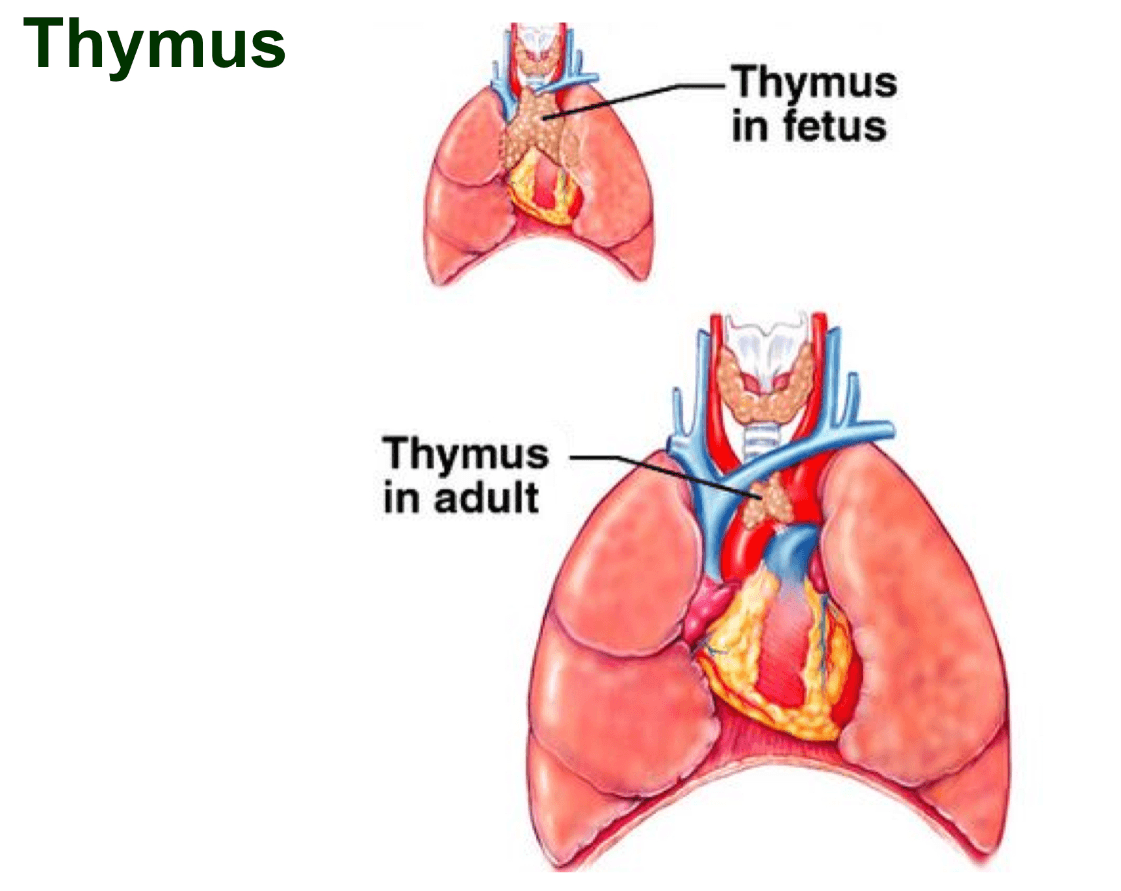
A bi-lobed organ deep to superior sternal area. It is most active during childhood and begins to slowly atrophy after puberty. What are its main functions and what does it lack?
Lacks reticular cells, lymphoid follicles and B cells
-it is the site of maturation for precursor cells that will go on to become immunocompetent T cells
-thymosin and thymopoietin activate T cells
300
This structure is a tubular offshoof of the proximal large intestine and it functions to destroy bacteria and help develop long term immunity
Appendix
300
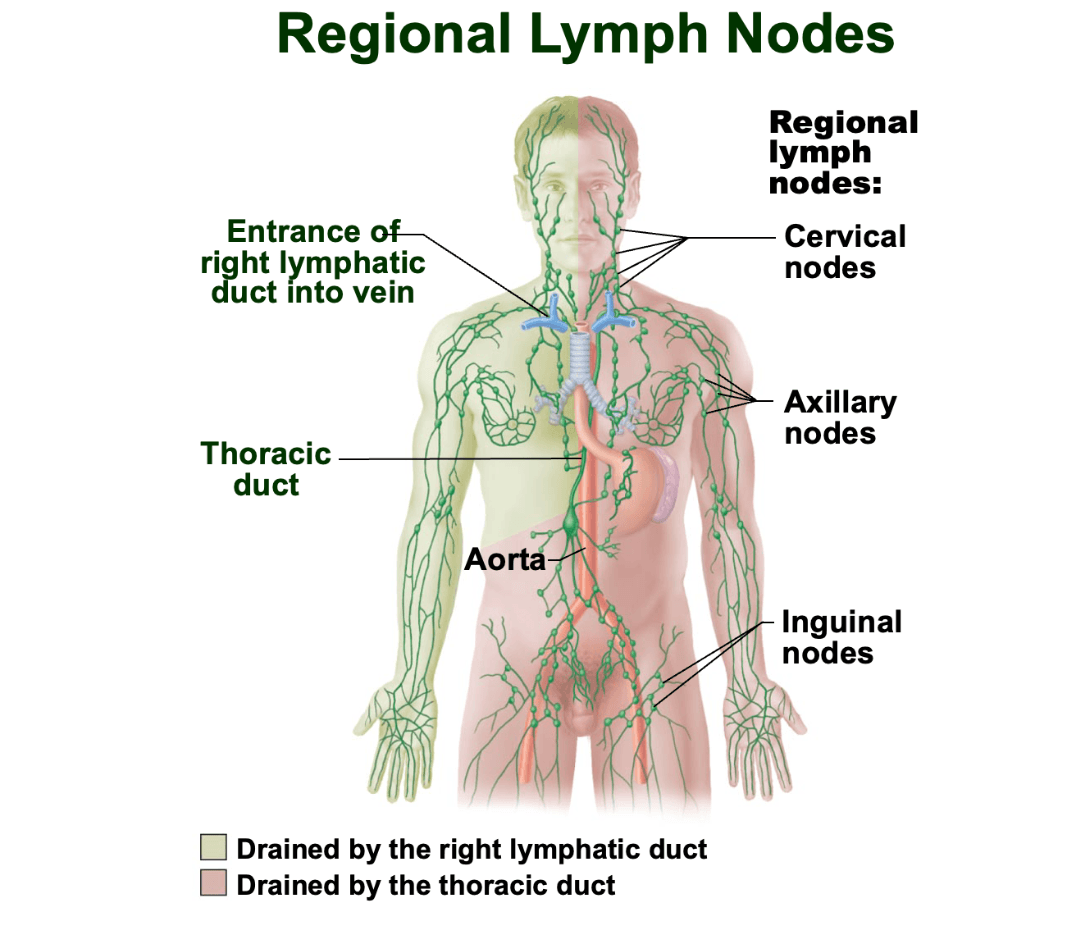
The principal lymphoid organs of the body that are large superficial clusters where lymphatic trunks converge in the inguinal, axillary and cervical regions are called what? What are their functions?
Lymph nodes
Lymph nodes have 2 functions: 1. Clean the lymph aka as lymph is being transported back to the blood, the lymph nodes act as a filter and allow macrophages to remove and destroy microorganisms and other debris that enter the lymph nodes, preventing them from being delivered to the blood
2. Immune system activation-where lymphocytes encounter antigens and are activated to attack them. Dendritic cells bring antigens to the lymph nodes which then activates T cells within the lymph nodes
300
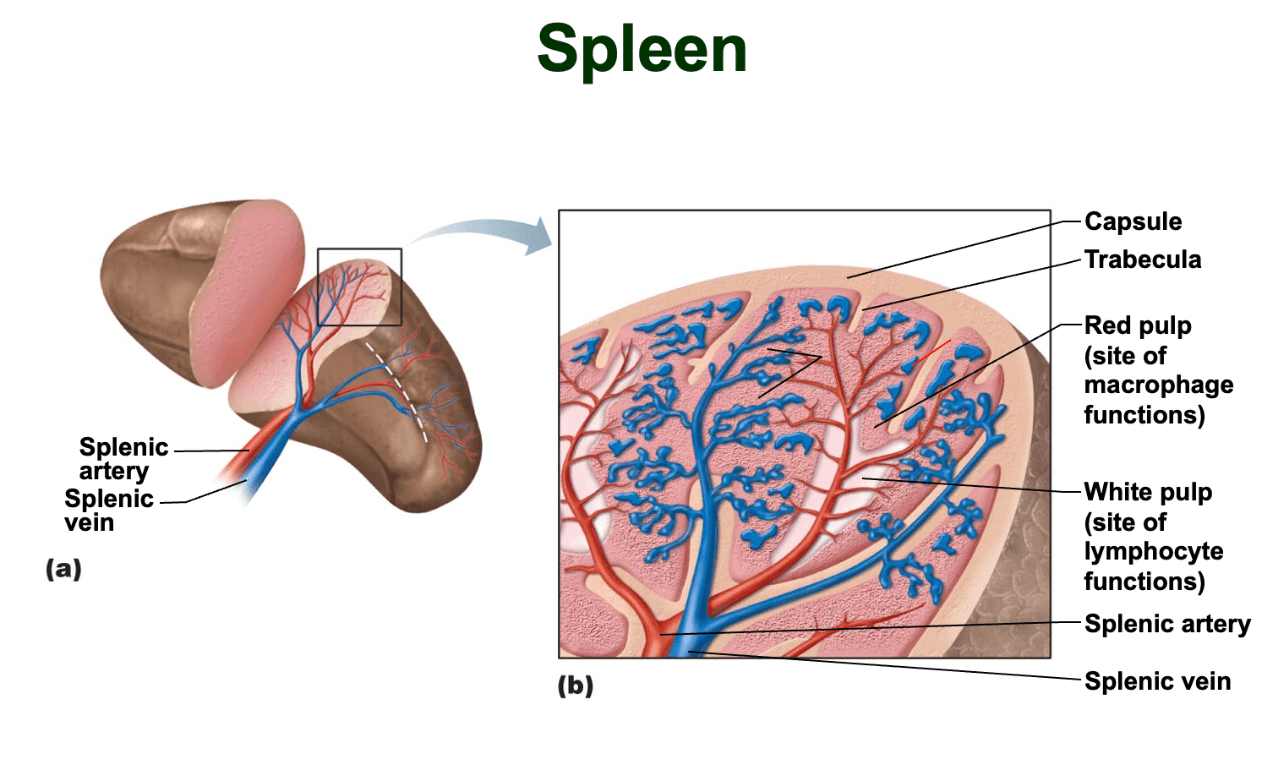
What are the two components of the spleen?
1. White pulp-where immune functions take place, composed of mostly lymphocytes
2. Red pulp-the site of destruction for worn out RBCs and blood borne pathogens, there are a lot of erythrocytes and macrophages here
400
Leaked fluid plus any plasma proteins is returned to blood by what? Once the fluid is within this structure, what is it called?
Leaked fluid plus any plasma proteins is returned to the blood by lymphatic vessels. Once the fluid is within the lymphatic vessels it is now called lymph. Lymph flows through lymphatic vessels toward the heart.
400
Tonsils peyer's patches in the intestinal wall and the appendix are all examples of what?
MALT
Mucous associated lymphoid tissues
Helps to protect us from the crazy amount of pathogens that try to enter the body
400
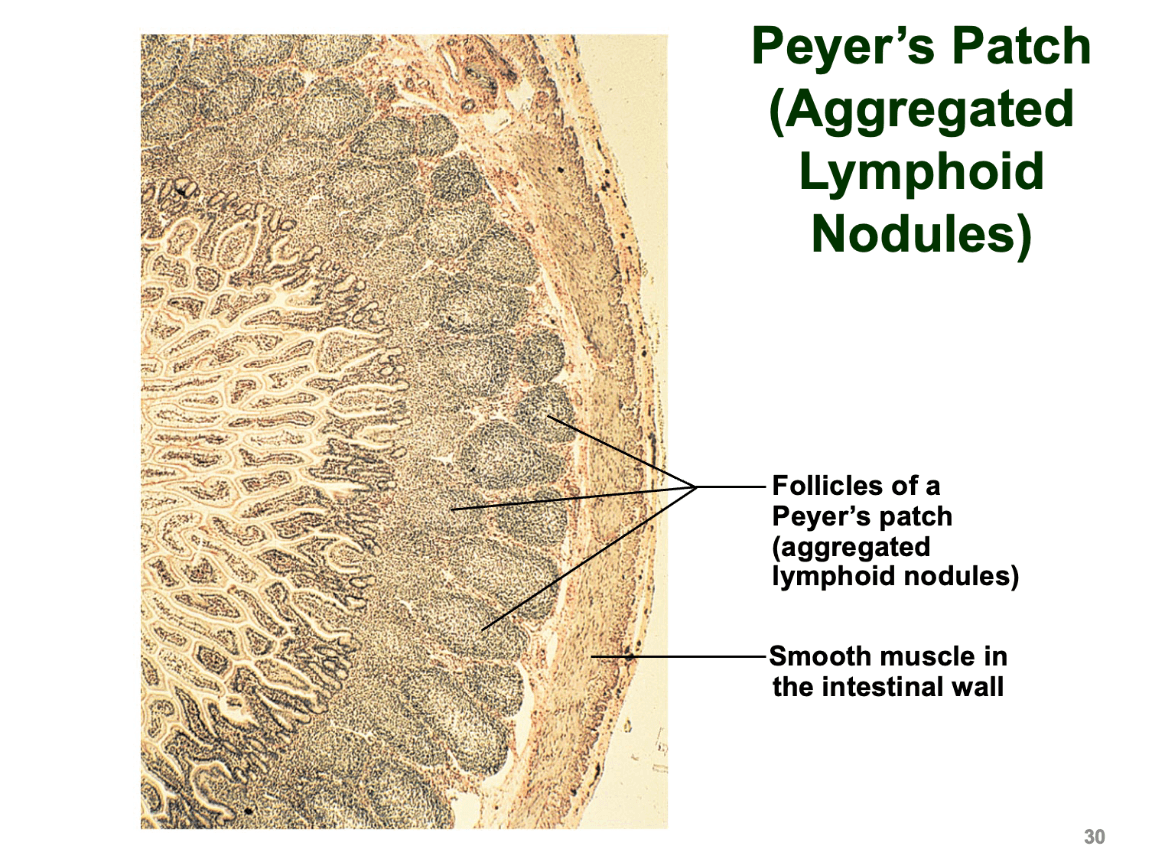
Large clusters of lymphoid follicles that occur in the wall of the distal small intestine(ileum). Functions to provide protection against pathogens in the digestive tract, preventing them from crossing the intestinal wall
Peyer's Patches(aggregated lymphoid nodules)
400
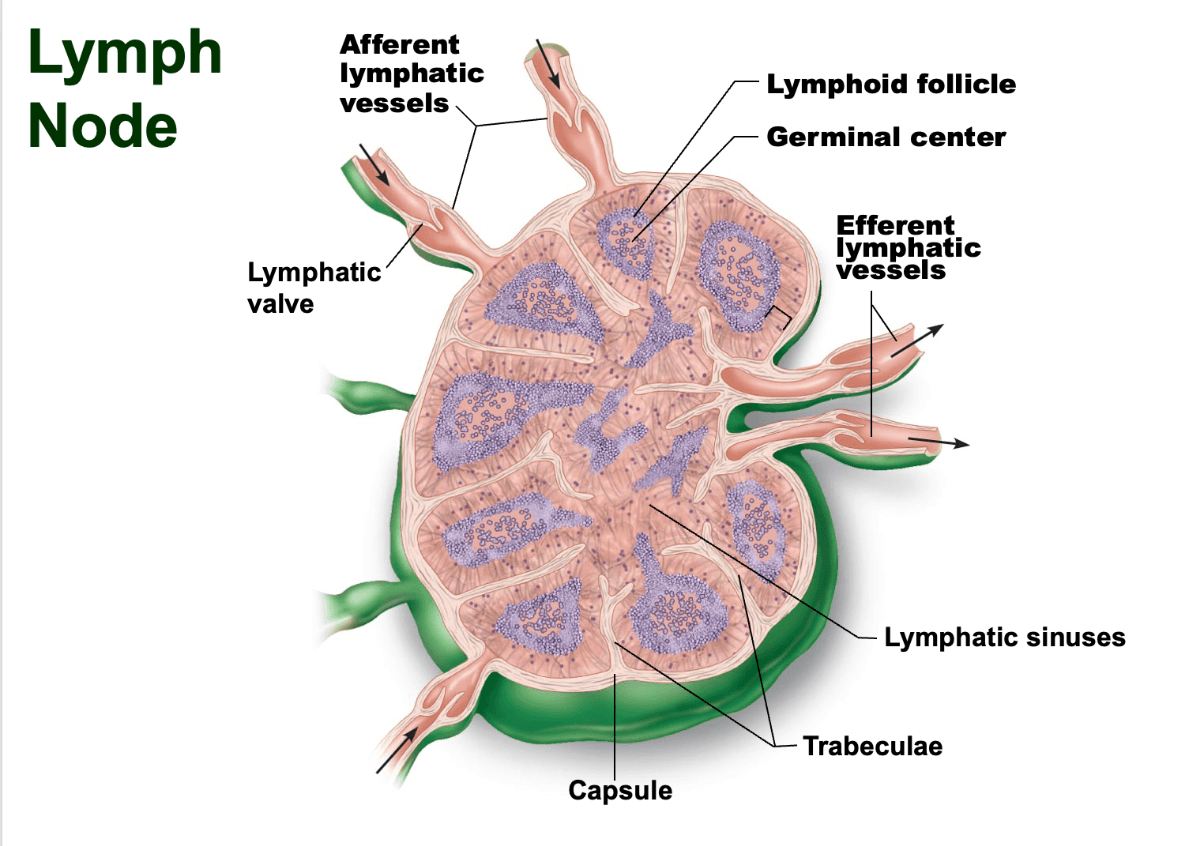
Explain the structure and circulation of lymph in the lymph nodes
Lymph enters the lymph node via the afferent lymphatic vessels and exit via the efferent lymphatic vessels before going to the lymphatic trunks
Cortex-superficial part of the lymph node, contains follicles with germinal centers(and a lot of B cells), the deeper part of the cortex has T cells, dendritic cells also live here
Medulla-middle section, contains B and T cells
500
This lymphoid organ is on the left side of the abdominal cavity just under the diaphragm. What is it and what is its function?
Spleen-largest lymphoid organ
Contains reticular stroma and lymphoid tissue, well vascularized and served by the splenic artery and vein
Function: site for lymphocyte proliferation and immune response, also functions to store iron as hemosiderin and ferritin
500
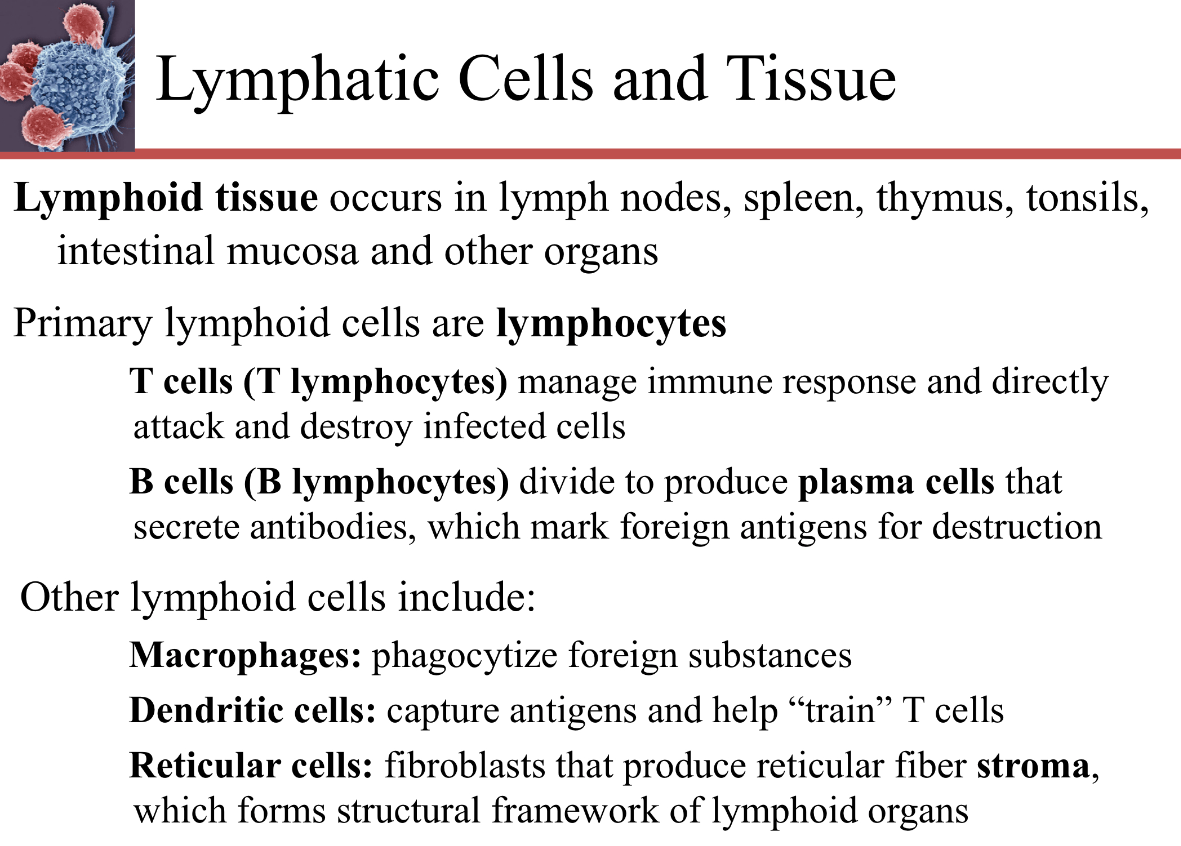
Lymphocytes are the primary cells in lymphoid tissue. Explain what lymphocytes are and what their function is. Name the other three lymphoid cells and their function.
500
These structures are similar to veins with the same tunics but thinner walls and more valves and extensive anastomoses. When these structures unite, what do they form and what is their function?
Collecting lymphatic vessels
-when lymphatic vessels unite they form lymphatic trunks which drain specific areas of the body
500
Specialized lymphatic capillaries that absorb and transport digested fat as chyle from the small intestine to the bloodstream
Lacteals
500
Explain the flow of lymph in the lymphatic system
Lymph flows from lymphatic capillaries to collecting lymphatic vessels to lymphatic trunks to lymphatic ducts