Purpose and Origins
US History
Constitution
Principles of Democracy + Congress
The Three Branches
Misc
100
This is the specific type of democracy that the US is:
representative democracy
100
The biggest weakness of the Articles of Confederation:
too much power to the states, not enough to the federal government
100
How our class defines the Constitution:
The Supreme Law of the Land
100
Political Tolerance means that while the majority of people rule in a democracy, the rights of the _______________________ still get protected.
minority
100
There are this many Senators total:
100
100
The two parts of Congress
Senate
House of Reps
200
This is when the government has no control, or does not exist:
anarchy
200
These two religions had the biggest influence on the Founding Fathers:
Judeo-Christian
200
The first ten amendments to the Constitution protecting individual rights:
The Bill of Rights
200
Congress is ___________, meaning made up of two parts.
bicameral
200
What's the only way that a President's veto can be overridden?
Congress can override the veto with a 2/3 vote in both houses
200
A proposed law:
Bill
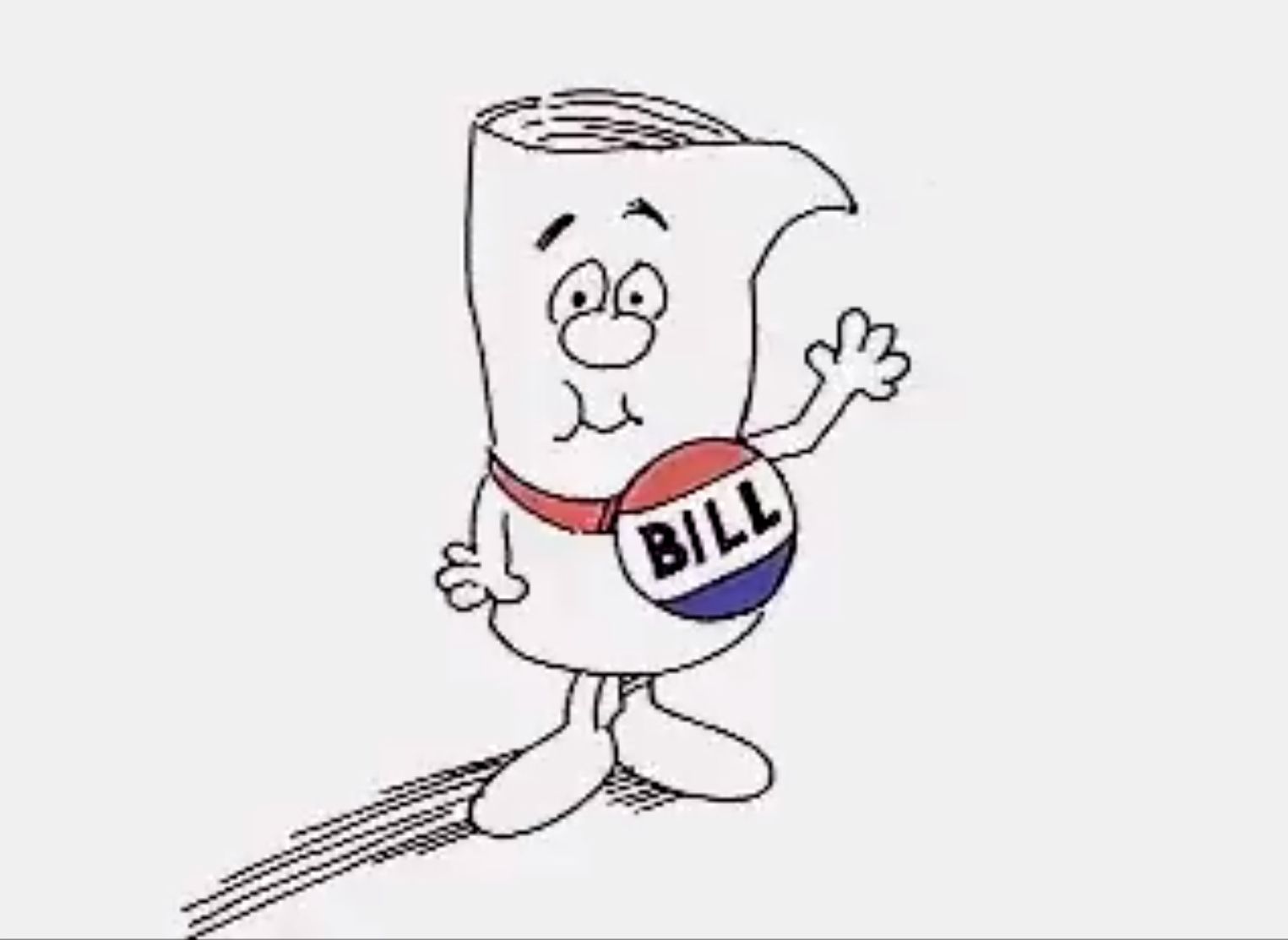
300
The definition of civics:
The study of the rights and duties of citizenship
300
This group supported the adoption of the Constitution:
Federalists
300
Two powers that belong to the states in the Constitution:
conducting elections
education
establishing local govs
licensing regulations for professionals
safety services
300
What is the "Rule of Law" in democratic principles?
Everyone, including leaders, must obey the law (no one is above the law)
300
Who breaks a tie in the Senate?
The Vice President
300
These three unalienable rights are listed in the Declaration of Independence:
Life, Liberty, and the pursuit of happiness
400
Explain the divine right theory of government:
Explain the evolutionary theory of government:
That leaders are in their position for a religious reason/appointed by God
That leaders came into their position because of age, experience, or wisdom (being around the longest)
400
An elected official who is already in office, typically running for re-election:
incumbent
400
The Supremacy Clause of the Constitution states:
The Constitution is the supreme law, and federal laws are superior to state laws
400
Explain the democratic principle of "transparancy":
The government has to let people know what's happening through public meetings and the press
400
The role of the Judicial Branch:
Reviewing laws, resolving disputes, and interpreting the Constitution
400
Definition of federalism:
A system of government with shared powers between a central authority and local governments. (In the US this means between States and the Federal government)
500
List the four purposes of government from our lesson:
provide national security
provide public services
regulate the economy
maintain social order
500
The only Amendment to ever be repealed: (need the # and what it did)
The 18th Amendment, banning of alcohol
500
List all the freedoms granted by the First Amendment:
speech
assembly
religion
press
petition the government
500
Name three of the principles of democracy:
CITIZEN PARTICIPATION
EQUALITY
POLITICAL TOLERANCE
ACCOUNTABILITY
TRANSPARENCY
REGULAR FREE AND FAIR ELECTIONS
ECONOMIC FREEDOM
CONTROL OF THE ABUSE OF POWER
BILL OF RIGHTS
ACCEPTING THE RESULTS OF ELECTIONS
HUMAN RIGHTS
MULTI-PARTY SYSTEM
RULE OF LAW
500
The three Constitutional requirements to be President:
35 years old
Natural-born US citizen
Resident of the US for 14 years minimum
500
Define nationalization and devolution
nationalization: power of the federal government increases
devolution: power is passed down to the states/states gain more power