Elements of a Crime
Theories of Criminology
Police/Investigative Procedures
Trial Procedures
Criminal Defences
The International Criminal Court
100
Latin terms referring to the "guilty act" and the "guilty mind"
Actus Reus and Mens Rea
100
This theory holds that humans commit crime as a result of decisions based on an analysis of costs and benefits to maximize their own interests
Rational Choice Theory
100
Police must obtain one of these if they wish to search or seize your property
Warrant
100
In Canada "this" rests on the Crown
Burden of Proof
100
An umbrella term referring to when a defendant allegedly had no conscious control over their actions
Automatism
100
The ICC fulfills the mandate of this piece of international legislation
The Rome Statute
200
These are the three levels of criminal offences in Canada
Summary, Indictable and Hybrid
200
This theory believes that one's subconscious mind, shaped by life experiences, may propel one towards criminality
Psychoanalytic Criminology
200
Police must have this in order to arrest
Reasonable Grounds
200
Unless this standard is met, the accused must be acquitted
Beyond a Reasonable Doubt
200
A defence where the accused could not have committed the offence because they were at a different location at the time of the offence
Alibi
200
In an ICC trial, these are the lawyers present
Prosecutor, Defence, Victim's Lawyer
300
Legal responsibility or obligation
Liability
300
This theory posits that crime results from the pressure individuals experience when their ability to achieve societal goals is blocked
Strain Theory
300
Section 8 of the Charter deals with this legal procedure
Search and Seizure
300
In court, the Defense may try to use this type of evidence to raise suspicion on their client's guilt
Circumstancial Evidence
300
A defence where the accused only committed an offence due to being tricked by a police officer
Entrapment
300
The ICC is based here
The Hague, Netherlands
400
A state of mind where a person, despite strong suspicion of a fact, deliberately avoids making inquiries to confirm it, effectively choosing to remain ignorant
Wilful Blindness
400
This theory believes that strong social bonds and ties within a community discourage individuals from engaging in deviance or criminal behaviour
Social Control Theory
400
This terms outlines how officers must respond to resisting suspects
Necessary Force
400
In an assult case, the accused and victim being family members would constitute these culpability-changing variables
Aggravating Circumstances
400
A defence where the accused believes that their actions are not criminal by virtue of the circumstances
Mistake of Fact
400
The ICC does not have a universal jurisdiction. It may only exercise jurisdiction if... (name one)
1. The accused is a national of a state party to the Rome Statute or a state otherwise accepting the jurisdiction of the ICC
2. The crime took place on the territory of a state party to the statute or a state otherwise accepting the jurisdiction of the ICC; or
3. The United Nations Security Council has referred the situation to the ICC’s Prosecutor, irrespective of the nationality of the accused or the location of the crime.
500
Crimes such as burglary require the courts to prove this category of intent
Specific Intent
500
This father of positivist criminology erroneously believed traits like facial features were associated with criminality; still, his work was foundational to the field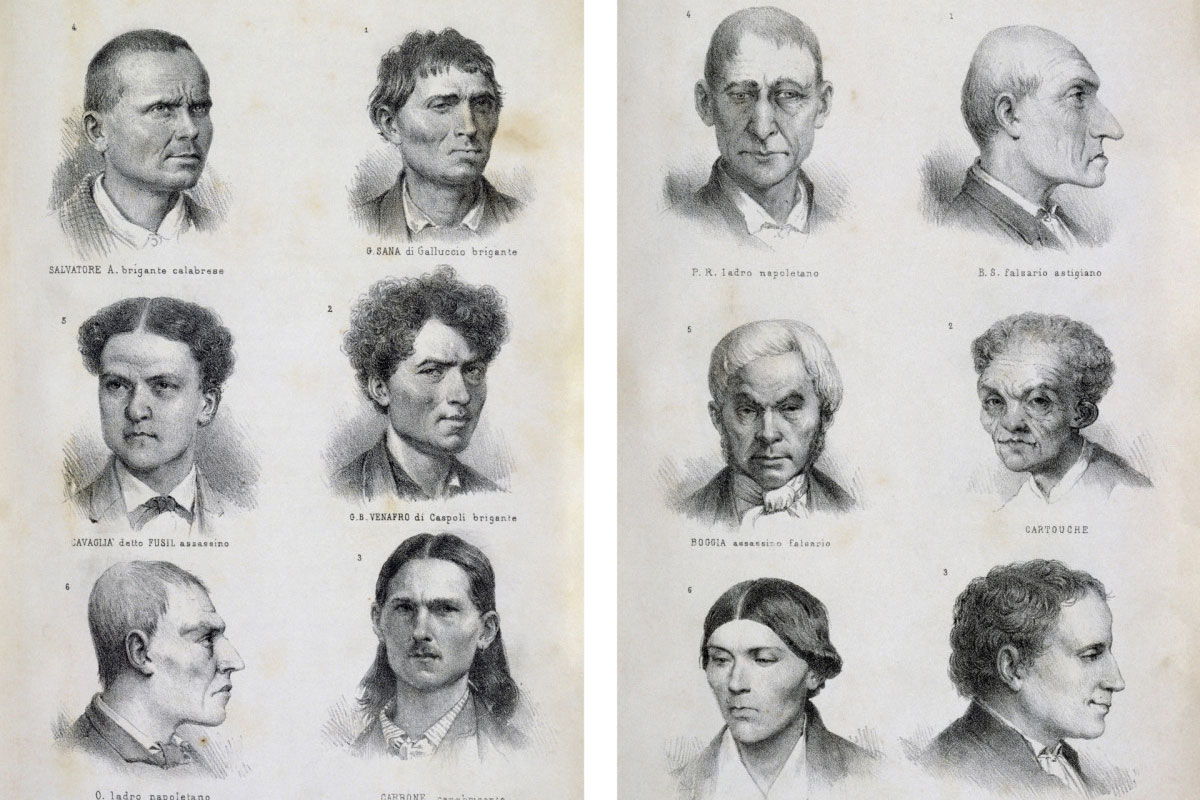
Cesare Lombroso
500
This Charter section number covers Rights on Detention
Section 9
500
In a trial by jury, this occurs when the jury can not agree on a verdict
Hung Jury
500
In cases of domestic violence, women who have sustained prolonged abuse may experience this condition/defence
Battered Woman Syndrome
500
The ICC has often been accused of this
Western Imperialism