States of Matter
Gas Laws
Temperature
What's the Point
Miscellaneous
100
The three common states of matter
What are solid, liquid, and gas?
100
Who established the formula below: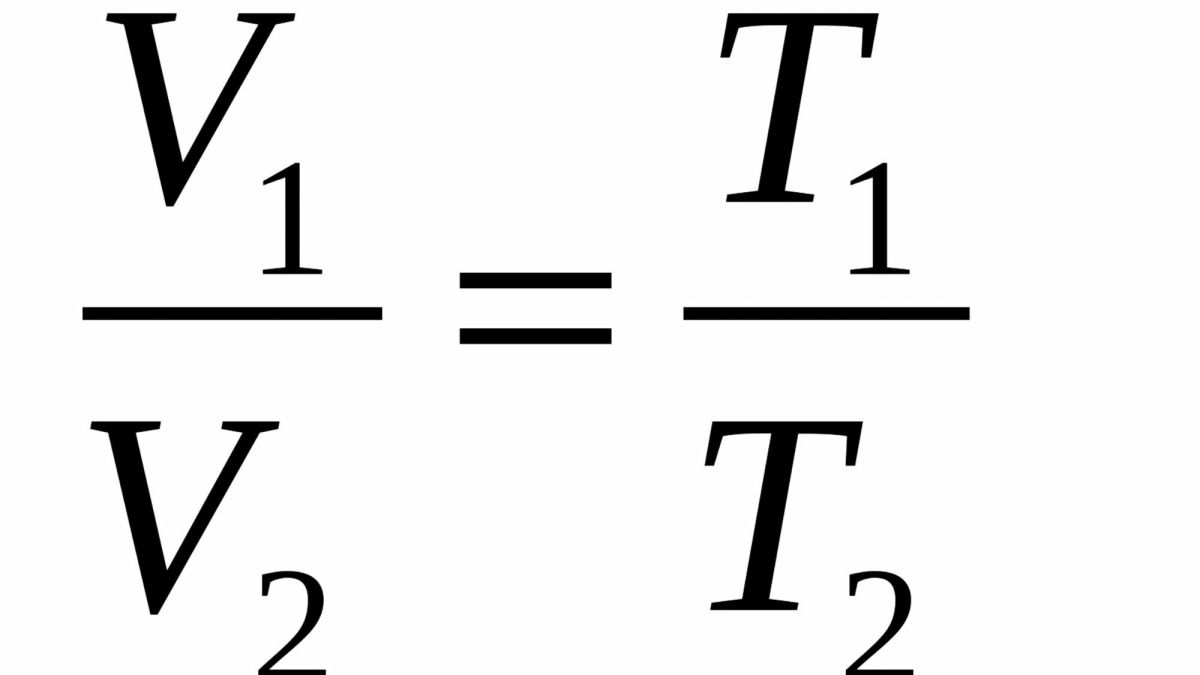
Who is Jacques Charles?
100
True or False: We can solve gas law formulas by using degrees Celsius.
What is false?
100
The point at which a liquid becomes a gas.
What is boiling point?
100
The negative particles of an atom.
What are electrons?
200
State of matter represented by this image: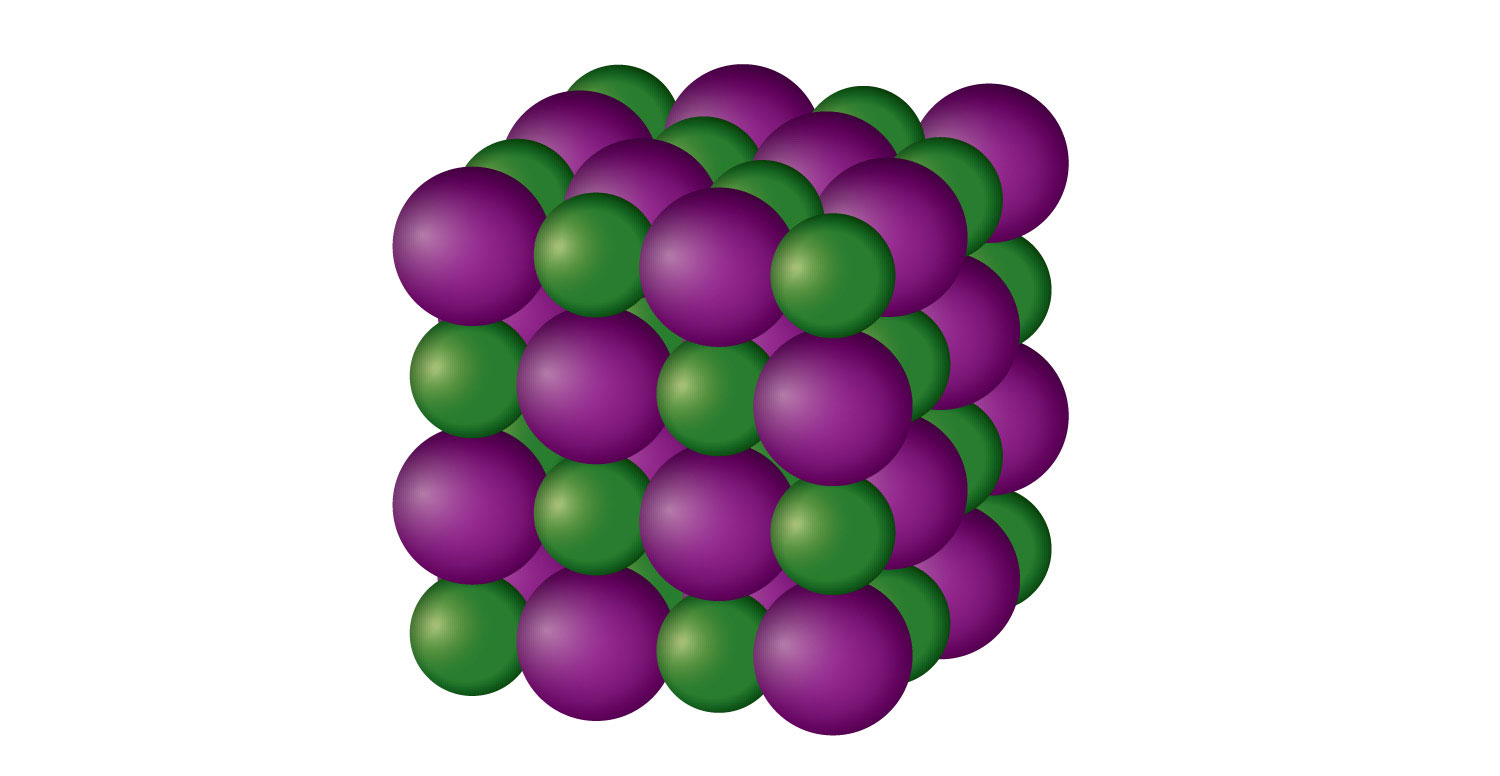
What is solid?
200
What the "P" stands for in Gay-Lussac's Gas Law below: 
What is pressure?
200
What we have to do to degrees Celsius to solve a gas law formula involving temperature.
What is convert (to Kelvin)?
200
Water is called this when it becomes a solid.
What is ice?
200
The term for how fast or slow a liquid flows.
What is viscosity?
300
State of matter represented by this image:

What is gas?
300
The chemist who established the gas law below:

Who is Robert Boyle?
300
The number we have to add to convert from Celsius to Kelvin.
What is 273.15?
300
The point at which a solid becomes a liquid.
What is melting point?
300
What does NaCl stand for?
What is salt or sodium chloride?
400
The way in which particles of a solid move.
What is vibrate?
400
Boyle's Law describes the _______ relationship between the pressure and volume of gas at a constant temperature. If pressure increases, volume decreases.
What is inverse?
400
30 degrees Celsius to Kelvin
What is 303.15K?
400
Water is called this when it reaches its boiling point.
What is steam?
400
What contains the known elements?
What is the Periodic Table of Elements?
500
The particles in this state move freely or slide past one another.
What is liquid?
500
Law that states when pressure on a fixed amount of gas is held constant, its volume is directly proportional to its absolute temperature in Kelvin.
What is Boyle's Law?
500
75 degrees Celsius to Kelvin
What is 348.15K?
500
The point at which a liquid becomes a solid.
What is freezing point?
500
The reactions which releases energy to its surrounding environment.
What is exothermic?