Microbes
Diagnostic test
A&P
Treatment
Esc.
100
NL is an 88 year old female presenting to the clinic with productive cough and fever. She has been ill for the past few weeks but denies any recent hospitalization or comorbidity. Which Bacteria is the most common cause of Bacterial Pneumonia
A. Streptococcus
B. Staphylococcus
C. H. Influenzae
D. Legionella
What is....
A. Streptococcus
100
A diagnosis of pneumonia is typically achieved by which of the following diagnostic tests?
A. ABG analysis
B. Chest x-ray
C. Blood cultures
D. Sputum culture and sensitivity
What is...
D. Sputum culture and sensitivity
100
When auscultating the chest of a client with pneumonia, the pa would expect to hear which of the following sounds over areas of consolidation?
A. Bronchial
B. Bronchovesicular
C. Tubular
D. Vesicular
What is...
A. Bronchial
100
A 15 year old female with a history of hay fever develops fever, headache and malaise for 4 days followed by a nonproductive cough and scratchy throat. Despite chicken soup and orange juice, the cough and fever persist, and her mother drags her to your office. On examination, her temperature is 101o, pulse 90 beats/min, BP 110/70, respiratory rate 20 beats/min Physical examination is unremarkable except for scattered rales over the left lower lung, and small bullae in her left tympanic membrane. Chest x-ray reveals a patchy left lower lobe infiltrate. At your request, she makes a heroic effort but is unable to produce sputum
What antimicrobial agent(s) would you use?
A. Doxycycline
B. Macrolides
C. Penicillin
D. Macrolides and Penicillin
E. Doxycycline and Macrolides
What is...
E. Doxycycline and Macrolides
100
All of the following are risk factors for community-acquired pneumonia, EXCEPT:
A. Female gender
B. Smoking history
C. Occupational dust exposure
D. History of childhood pneumonia
What is...
A. Female Gender
200
A 8-year-old girl with a history of several episodes of pneumonia is brought to the ED because of fever and cough. Laboratory testing indicates that he has cystic fibrosis. He is coughing up thick, greenish sputum. Temperature is 102.2° F. A Gram stain of the sputum reveals gram-negative rods.
Which one of the following is the most likely cause of the infection?
A. Bordetella pertussis
B. Hemophilus influenzae
C. Legionella pneumophila
D. Pseudomonas aeruginosa
E. Streptococcus pneumonia
What is...
D. Pseudomonas aeruginosa
200
A 72 year-old male patient who is diagnosed with bilateral lower lobe pneumonia is admitted to your unit. The patient has a history of systolic heart failure and arthritis. On assessment, you note the patient has a respiratory rate of 21, oxygen saturation 93% on 2L nasal cannula, is alert & oriented, and has a productive cough with green/yellowish sputum. Which of the following medical interventions will you provide to this patient based on your assessment findings and the patient's diagnosis?
A. Keep head-of-the-bed less than 30 degrees at all times.
B. Collect sputum cultures
C. Encourage 3L of fluids a day to keep secretions thin.
D. Encourage incentive spirometer usage
E. Provide education about receiving the Pneumovax vaccine every 5 years.
What is...
B. Collect sputum cultures
200
Which of the following is TRUE regarding the development of pneumonia?
A.Pneumonia is an acute inflammatory condition within the parenchyma of the lung.
B.Immunocompromised individuals are at an increased risk of developing pneumonia.
C.Pneumonia often develops as a consequence of bacterial colonization and microaspiration of upper respiratory tract secretions during a period of impaired host pulmonary defense mechanisms.
D.All of the above
What is...
D. All of the Above
200
The primary preventive strategy for community-acquired pneumonia is
A. antibiotic therapy
B.good hand hygiene
C.adherence to healthy lifestyle behaviors.
D.immunization with pneumococcal and influenza vaccines.
What is...
D.immunization with pneumococcal and influenza vaccines.
200
All of the following are common symptoms of community-acquired pneumonia in adults, EXCEPT:
A. Fever
B. Bradycardia
C. Sputum production
D. Signs of consolidation
What is...
B. Bradycardia
300
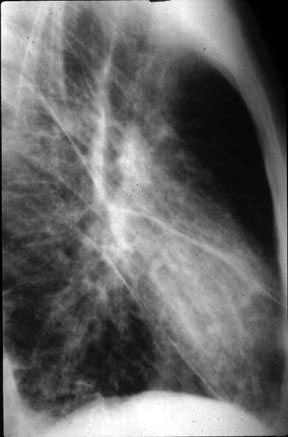
A 15 year old female with a history of hay fever develops fever, headache and malaise for 4 days followed by a nonproductive cough and scratchy throat. Despite chicken soup and orange juice, the cough and fever persist, and her mother drags her to your office. On examination, her temperature is 101o, pulse 90 beats/min, BP 110/70, respiratory rate 20 beats/min Physical examination is unremarkable except for scattered rales over the left lower lung, and small bullae in her left tympanic membrane. Chest x-ray reveals a patchy left lower lobe infiltrate. At your request, she makes a heroic effort but is unable to produce sputum
What is the type of pneumonia this patient is likely to have?
A.Streptococcus Pneumoniae
B.Haemophilia Influenzae
C.Staphylococcus Aureus
D.Mycoplasma pneumoniae
What is...
D.Mycoplasma pneumoniae
300
You're caring for a patient with pneumonia. The patient has just started treatment for pneumonia and is still experiencing hypoxemia. You know that respiratory acidosis is very common with patients with pneumonia. Which arterial blood gas readings below represent respiratory acidosis that is NOT compensated?*
A. pH 7.29, PaCO2 55, HCO3 23, PO2 85
B. pH 7.48, PaCO2 35, HCO3 22, PO2 85
C. pH 7.20, PaCO2 20, HCO3 28, PO2 85
D. pH 7.55, PaCO 63, HCO3 19, PO2 85
What is...
A. pH 7.29, PaCO2 55, HCO3 23, PO2 85
300
True or False
Inhaled oxygen travels down through the trachea, into the right and left bronchus, then into the segmental bronchi which branches even further into the lobar bronchi.
What is...
False
FALSE. Inhaled oxygen travels down through the trachea, into the right and left bronchus, then into the LOBAR BRONCHI which branches even further into the SEGMENTAL BRONCHI.
300
In which of the following scenarios is it appropriate to allow outpatient treatment of community-acquired pneumonia (CAP)?
A. 67-year-old male with CAP, blood pressure of 120/85mmHg, and confusion
B. 68-year old male with CAP, blood pressure of 130/80mmHg, and respiratory rate of 18/min
C. 69-year old female with CAP, blood pressure of 125/82mmHg, and creatinine of 2.1mg/dL (Baseline is 0.8mg/dL)
D. 58-year old female with CAP, blood pressure of 100/50mmHg, and confusion
E. 32-year-old female with CAP, blood pressure of 90/50mmHg, altered mental status, and respiratory rate 34/min
What is...
B. 68-year old male with CAP, blood pressure of 130/80mmHg, and respiratory rate of 18/min
Choice B (68-year-old male with CAP, blood pressure of 130/80mmHg, and respiratory rate of 18/min) will be the scenario that will require outpatient therapy. This patient only has one point (age greater than 65) so he can be treated for CAP as an outpatient.
300
In adults with community-acquired pneumonia, which of the following is NOT among the minor criteria that would suggest the need for ICU admission?
A. Uremia
B.Leukopenia
C. Decreased respiratory rate
D. Low PaO2/fraction of inspired oxygen ratio
What is...
C. Decreased respiratory rate