Chapter 1
Chapter 2
Chapter 2 Continued
Chapter 3
Chapter 4
Chapter 5
Chapter 6
100
This is a product, service, activity, experience, or idea offered by a marketing organization to consumers.
What is an offering?
100
This is an inner state of activation that provides energy needed to achieve a goal
What is motivation?
100
This is your mental view of who you are
What is self-concept?
100
This is the process by which the consumer comes in physical contact with marketing
What is exposure?
100
This is a set of associations linked to a concept in memory
What is a schema?
100
This function is how attitudes influence our thoughts.
What is your cognitive function?
100
This is developed when consumers believe a statement simply because it has been repeated a number of times
What is the truth effect?
200
The process by which a consumer discards an offering by recycling, giving it away, selling it, renting it, or letting people borrow it.
What is disposition?
200
This is processing information in a way that allows consumers to reach the conclusion that they want to reach
What is motivated reasoning?
200
Safety, rest, and food are examples of these kind of need.
What is a functional need?
200
Advertisements, social media, emails, billboards, and more are all examples of this.
What are marketing stimuli?
200
This is a specific type of schema that captures what a brand stands for and how favorably it is viewed.
What is a brand's image?
200
Below is an example of this kind of marketing message appeal

What is an emotional appeal?
200
These are easily processed aspects of a message, such as music, an attractive source, picture, or humor
What are peripheral cues?
300
The process by which a consumer comes to own or experience an offering
What is acquisition?
300
This kind of involvement comes about through long-term interest in an offering, activity, or decision
What is enduring involvement?
300
Fulfilling your sensory stimulation is an example of which type of need.
What is hedonic needs?
300
This is a selective exposure tactic where you are fast-forwarding through or skipping commercials and ads
What is zipping?
300
This is how consumers classify a group of objects in memory in an orderly, often hierarchical way, based on their similarity to one another
What are taxonomic categories?
300
This is a model that provides an explanation of how, when, and why attitudes predict behavior
What is the theory of reasoned action (TORA)?
300
These are evaluations made after very brief observations.
What are thin-slice judgments?
400
A group of people consumers compare themselves with for information regarding behavior, attitudes, or values
What is a reference group?
400
This kind of involvement comes about from interest in an offering, activity, or decision, often caused by specific or certain circumstances
What is situational/temporary involvement?
400
Having an incredibly emotional connection and expending deep feelings about an offering describes which kind of involvement?
What is affective involvement?
400
This is a selective exposure tactic where you are dropping cable or satellite subscriptions in favor of streaming services
What is cord-cutting?
400
By being sincere, exciting, competent, sophisticated and/or rugged, a company can express their brand's what?
What is their brand's personality?
400
Below is an example of this kind of marketing message appeal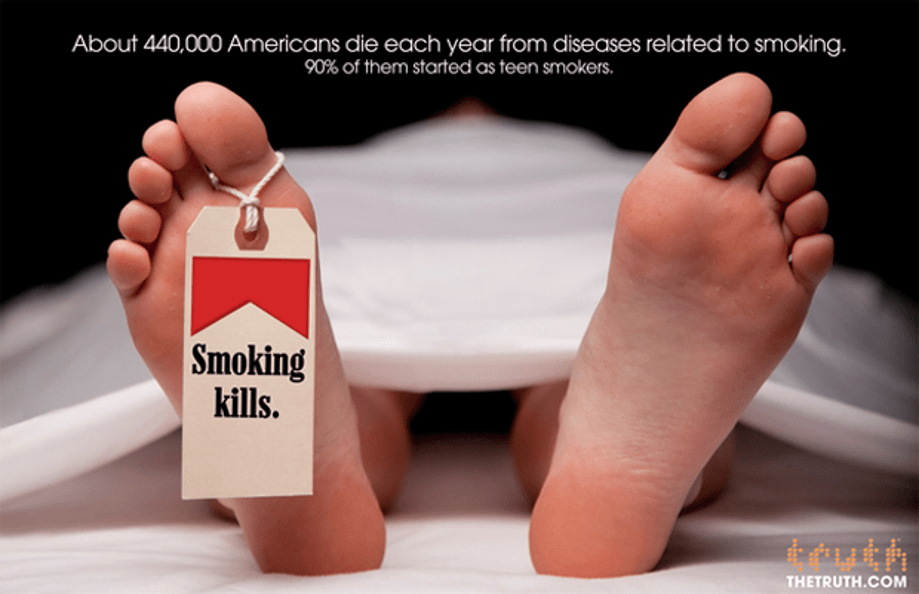
What is a fear appeal?
400
This is a belief based simply on the number of supporting arguments or amount of repetition
What is frequency heuristic?
500
Motivation, ability, and opportunity are some of the key components of this base for consumer decision making
What is the psychological core?
500
This kind of involvement comes about from interest in thinking about and learning information pertinent to an offering, an activity, or decisions
What is cognitive involvement?
500
If I purchase a watch for the sole purpose because I want my friends to perceive me in a certain way, this is fulfilling this type of need.
What is a symbolic need?
500
Limited, selective, can be divided, and subject to habitation are all ways to describe this.
What is attention?
500
When classifying a group of objects, this is the broadest level of categorizing.
What is superordinate?
500
This is the attitude formation and change process when effort is low
What is peripheral-route processing?
500
This is when you are producing a response to a stimulus by repeatedly pairing it with another stimulus that automatically produces this response
What is classical conditioning?