Keep It 100
Red Flags
Norepi and Chill
50 Shades
Stylin and profilin
No Pulse, No Problem
100
Cardiac output is the product of these two variables.
What are SV and HR?
100
This response including fever, tachycardia, tachypnea may precede the development of septic shock
What is a Systemic Inflammatory Response (Syndrome)?
100
This vasopressor is considered first line for a patient with undifferentiated shock
What is norepinephrine?
100
This common POCUS finding may suggest patient is "fluid responsive"
What is IVC respiratory variation?
100
Fever, hypotension, warm extremities, and bounding pulses are classic early clues to this form of shock
What is distributive shock?
100
This form of extracorporeal life support is initiated during refractory cardiac arrest to provide circulatory and respiratory support
What is eCPR?
200
These three forces are the determinants of stroke volume.
What are preload, afterload, and contractility?
200
JVD, muffled heart sounds and hypotension may clue you in to a cause of this type of shock
What is Obstructive Shock?
200
To reduce the required dose of norepinephrine, this medication may be given as an adjunct in the treatment of septic shock
What is vasopressin?
200
This method of assessing fluid responsiveness mimics a fluid challenge by shifting blood from the lower circulation to the central circulation
What is a passive leg raise test?
200
A quick rise in intrathoracic pressure from a lung injury may cause this type of shock
What is obstructive shock?
200
Conventional CPR offers this percentage of normal cardiac output
What is 15-25%
300
When oxygen delivery is unable to meet oxygen demand this anion is produced
What is lactate?
300
This post-traumatic state is associated with hypotension, bradycardia and warm, pink skin.
What is neurogenic shock?
300
This vasopressor exerts its affects by acting on alpha-1 receptors without beta-1 or beta-2 activity
What is Phenylephrine?
300
This shock state is most likely when RUSH exam shows a small hyperdynamic LV, a collapsible IVC, and no pericardial effusion.
What is hypovolemic shock?
300
This infusion should be started for refractory hypotension after a bee sting
What is Epinephrine?
300
When considering eCPR, these two cardiac rhythms have been associated with improved outcomes
What are ventricular tachycardia and ventricular fibrillation?
400
A patient with cardiogenic shock develops a compensatory increase in SVR which worsens this determinant of stroke volume
What is afterload?
400
This patchy violaceous purple skin discoloration in poorly perfused patients is associated with poor mortality in septic shock
What is skin mottling?
400
This medication primarily used in cardiogenic shock exerts its effect by acting on beta-1 receptors and beta-2 receptors
What is dobutamine?
400
A hospitalized patient suddenly develops acute dyspnea and hypotension. A bedside POCUS shows this finding. The hypotension can be explained by increased pressure in this cardiac chamber 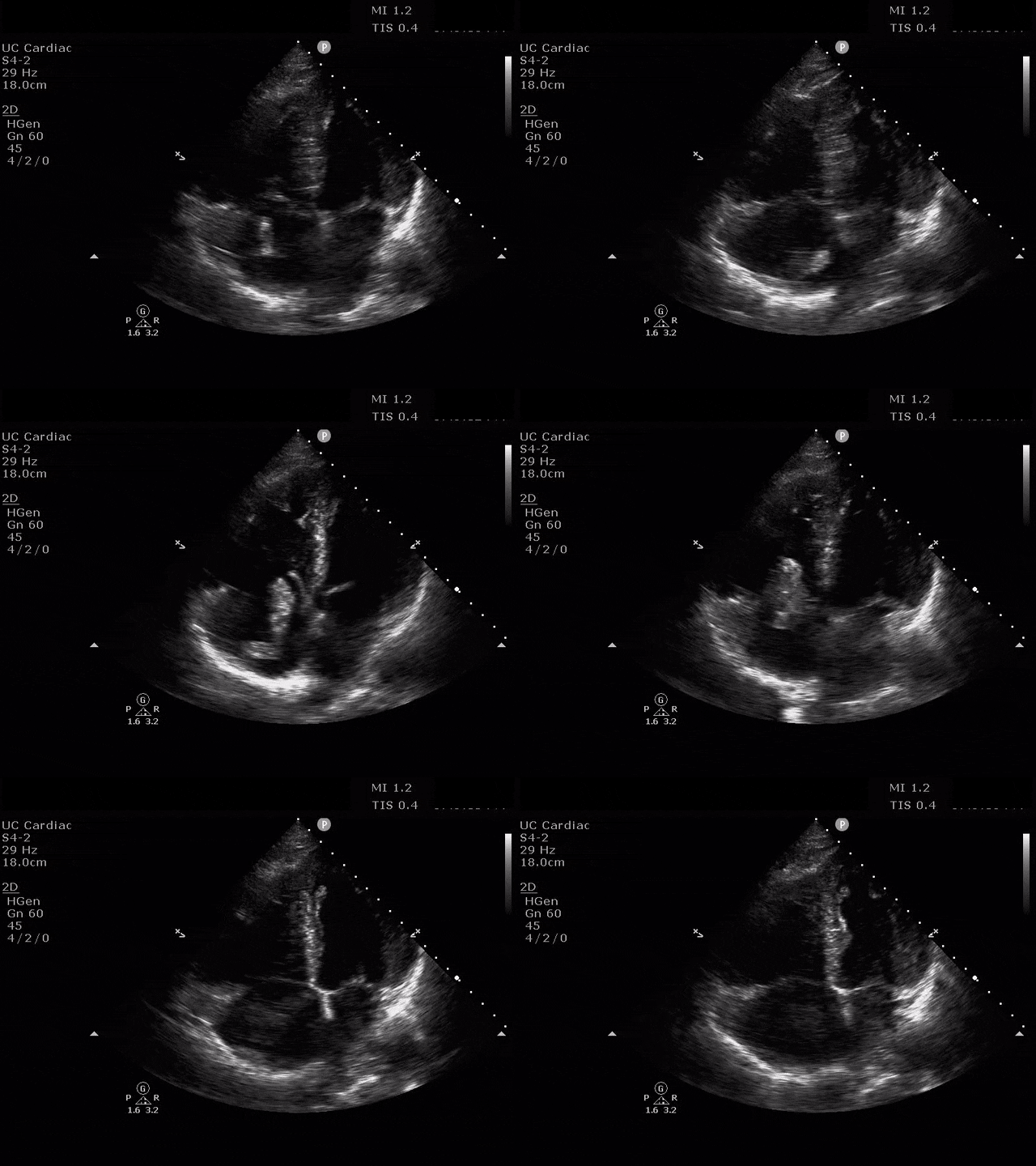
What is the right ventricle?
400
In the classic hemodynamic profile of cardiogenic shock, this vascular variable is elevated
What is systemic vascular resistance?
400
For eCPR, most studies target this as the maximum time from cardiac arrest to establishing ECMO flow.
What is 60 minutes?
500
A patient has cool extremities, elevated filling pressures, and an SvO₂ of 30% suggesting this component of their oxygen delivery equation is impaired
What is cardiac output?
500
An 11-month infant with urticaria, facial swelling and GI symptoms needs this dose and concentration of epinephrine
What is 0.01mg/kg of 1:1000 IM Epinephrine?
500
This nonselective beta-adrenergic receptor agonist, structurally similar to epinephrine, may be used for management of heart block and bradydysrhythmias
What is Isopreterenol?
500
This valve related problem may be a cause of obstructive shock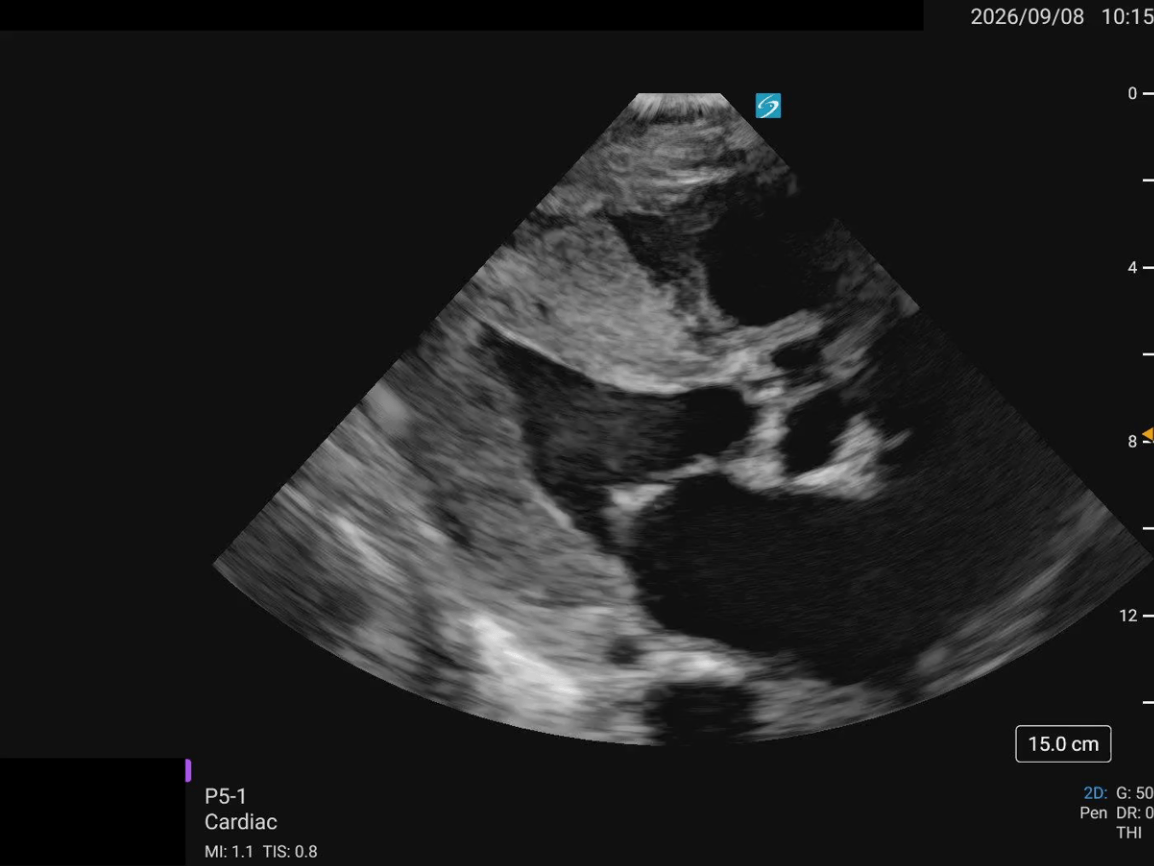
What is severe aortic stenosis?
500
Achieving these 3 goals of early goal directed therapy has been shown to reduce mortality in septic shock
What is CVP 8-12, MAP >65, and Scvo2 >70%?
500
During eCPR minimizing this interval-from cardiac arrest to ECMO flow-is critical
What is low-flow time?