Energy
Biomes
Ecosystems
Biodiversity
Earth & Human Activity
Vocabulary
100
Mrs. Bailey is demonstrating Gravitational Potential Energy. She drops a ball, and it falls at 3.2 Joules (J). The energy of the ball is converted into kinetic energy. About how much kinetic energy does the ball gain?
3.2 Joules (J)
100
This biome has trees that are evergreen, which means they stay green all year. Bears, deer, and moose are found in this biome.
Taiga
100
Which organisms population size would decrease if the mouse was taken out of the food chain?
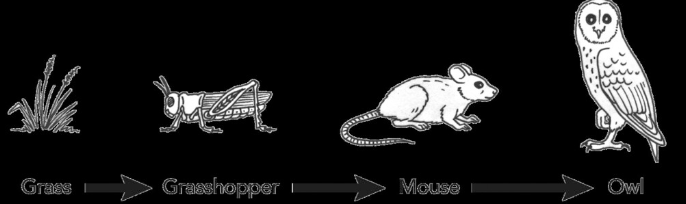
The owl population would decrease.
100
Which biome has the richest biodiversity?
The rainforest.
100
The fish benefits from staying on the stingray's back. It gets food left over from the stingray and is protected from other predators. The stingray is neither helped nor harmed. Which relationship does this scenario represent?
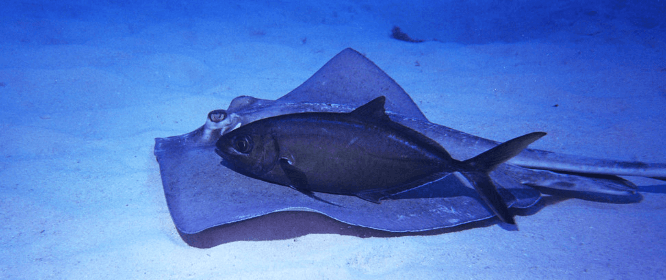
This is an example of a commensalistic relationship.
100
_____________ is the permanently frozen soil in Tundra and Taiga biomes.
Permafrost
200
As the boys potential energy decreases, his _________ energy increases.
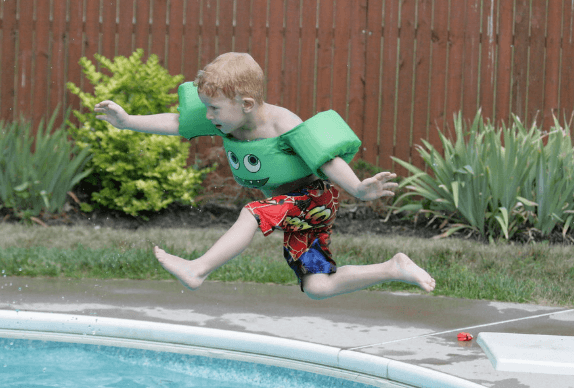
Kinetic
200
Does this graph represent a Desert biome?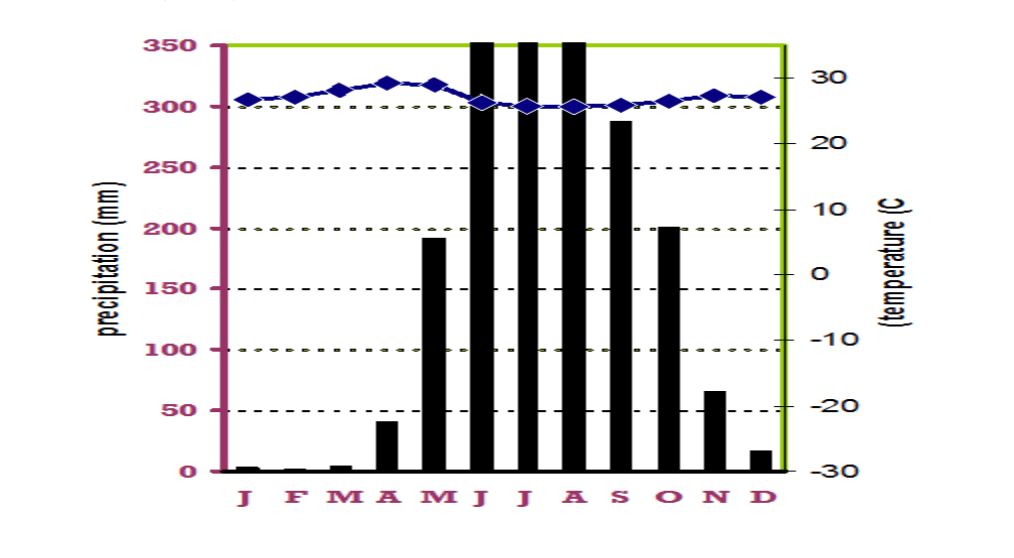
No. Deserts have very little rainfall.
200
The maximum amount of individuals an environment can support is the _____________.
Carrying Capacity
200
The loss of a natural habitat, often also resulting in a loss of biodiversity, is known as (habitat destruction or habitat fragmentation).
Habitat Destruction
200
The pie chart shows the population of species in an ecosystem. Which description below would mitigate the mice population without harming other organisms in the ecosystem?
Digging up plants that mice eat, bringing in an organism that is a predator to mice, or put the mice in the same environment as the amphibians and fish to control both populations.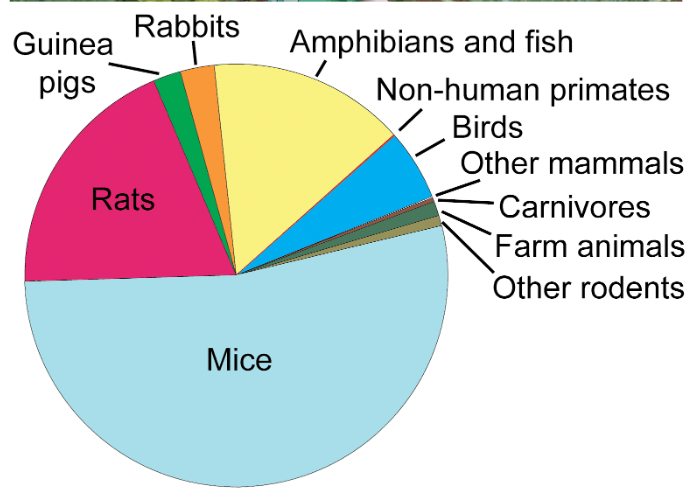
Bringing in an organism that is a predator to mice.
200
Removing this species from an ecosystem can reduce biodiversity.
Keystone Species
300
A rubber band is stretched around 45 pencils. The rubber band breaks, shooting 2.5 feet across the room. Describe the energy transformation.
____________ > ___________
Elastic Potential Energy > Mechanical Energy
300
Can animals that live in a swamp thrive in the ocean?
No, they are not saltwater species.
300
Describe the difference between an ecosystems population and an ecosystems community.
Ecosystem Population: a group of organisms that are the same species.
Ecosystem Community: a group of different species in an ecosystem.
300
Removing a(n) _____________________ species from an ecosystem can reduce biodiversity.
Keystone Species
300
List 4 ways that ecosystems have changed over time.
1. Physical Conditions
2. Population Balances
3. Human Interactions
4. Natural Catastrophes
300
A polar bear adapts better to its environment than a black bear. It is more likely to survive and reproduce. This process is called ______________.
Natural Selection
400
Describe the energy transformation that allows the toaster to toast the bread.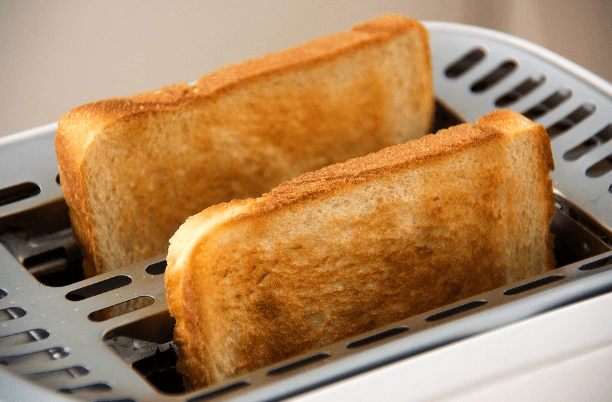
Electrical energy travels through the wires when it is plugged in. The toaster then produces thermal energy, toasting the bread.
400
Why is climate important to a biome?
It determines what plants and animals live there.
400
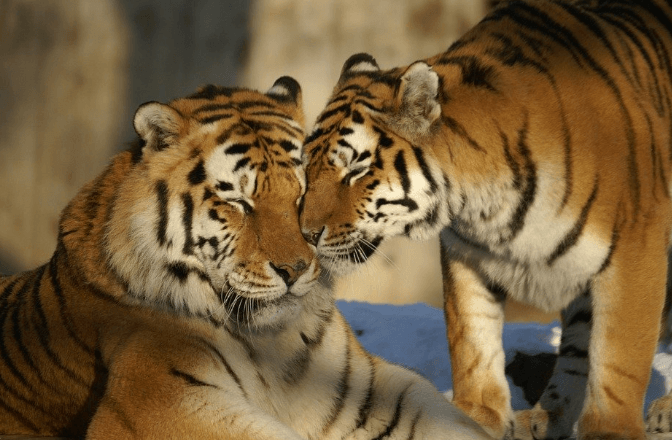 What are two forms of communication that organisms use in ecosystems?
Verbal and Auditory
400
What are the three types of biodiversity?
Species, Genetic, and Ecosystem
400
List 3 ways humans impact the environment.
Pollution, Deforestation, and Overfishing.
400
Define Pioneer Species
The first organisms to repopulate an area affected by a natural catastrophe.
500
Heritage Middle School wants to begin heating their school with natural gas in the fall of 2020. There was a meeting to discuss this change at central office last night. Mrs. Williams states that she does not believe this will be a good change in the long run. Why does Mrs. Williams have this opinion?
Natural gas is a non-renewable resources. Non-renewable resources are not easily replaced in a short amount of time.
500
List the 8 biomes
Tundra, taiga, deciduous forest, desert, grasslands, rainforest, marine, and freshwater.
500
List the levels of organization in order from smallest to largest.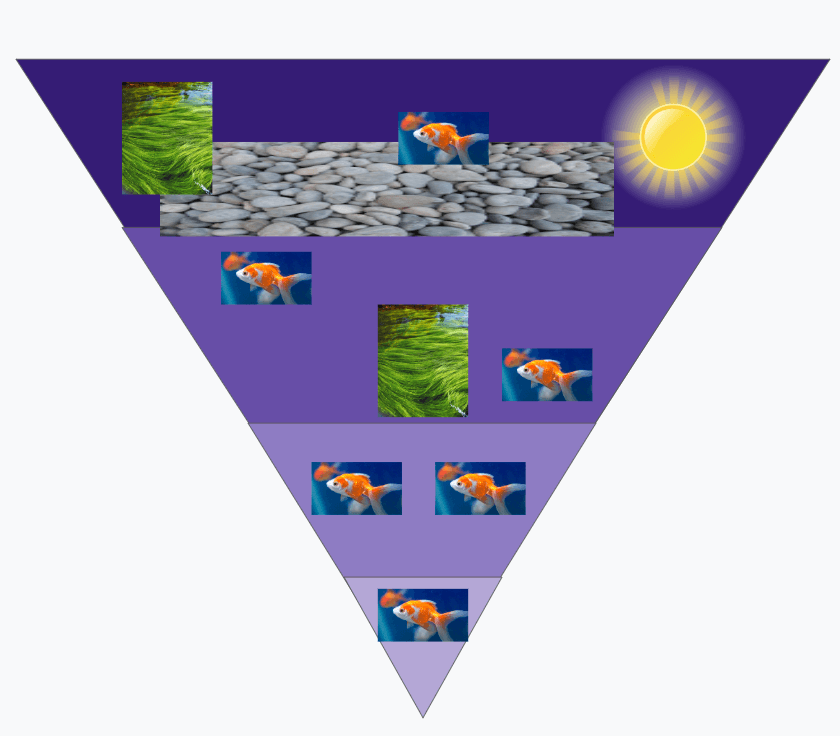
Organism, Population, Community, Ecosystem
500
The chart below lists data of four projects designed to restore a wetlands habitat destroyed by human activity. The project that will be chosen must be low in cost, benefit the greatest number of species, and be popular with local citizens who will support it.
Which project will most likely not be chosen?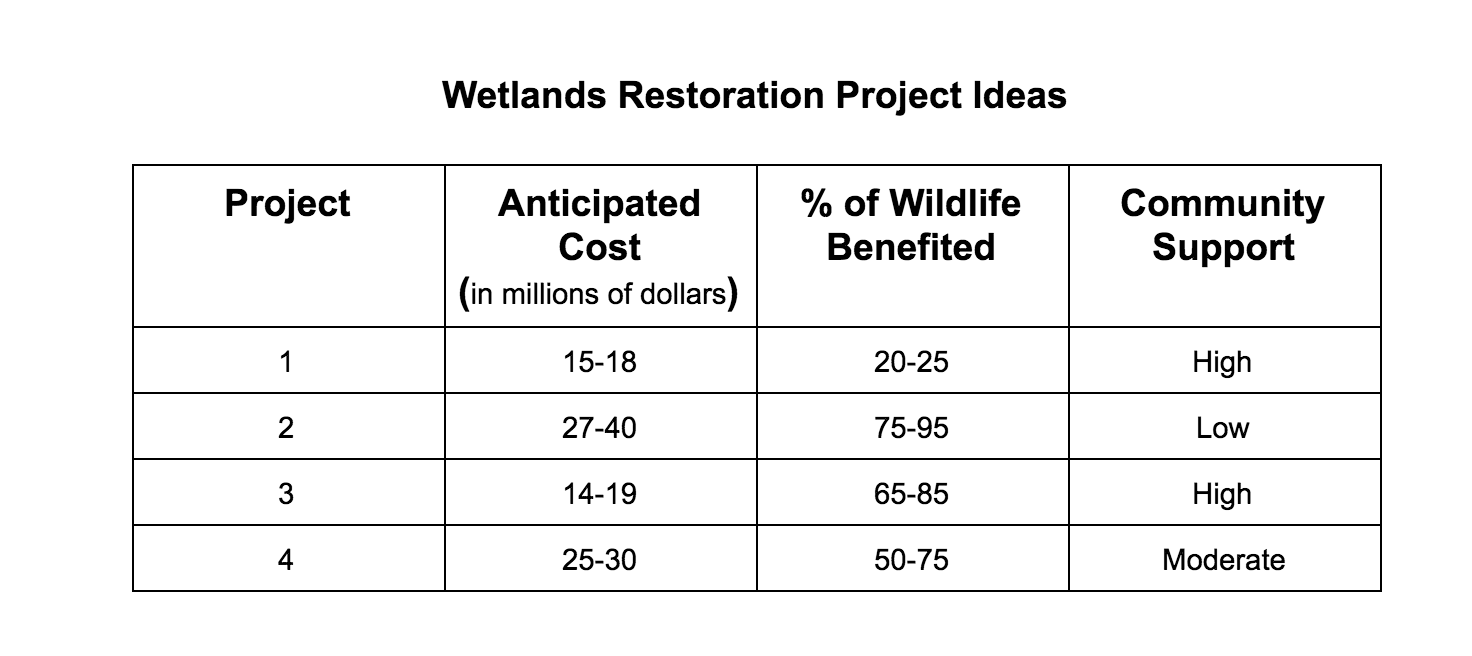
Project two will most likely not be chosen.
500
Who has the biggest impact on keeping the environment safe?
US!
500
Define Inverse Relationships from the energy unit.
Inverse Relationships: when one type of energy changes, the second type of energy changes.
Example: When potential energy increases, kinetic energy decreases. When potential energy decreases, kinetic energy increases.