In the CHEST we TRUST 😤🩻
Heart to Heart ❤️🔥🫀
Rectus? Wrecked-us 🤢
From Blob to baddie 💅🏽
Gettin’ Jugular Wit It 😛😎
100
During forced inspiration, a combination of movements increases the volume of the thorax. The ribs move in these anatomical directions during inspiration.
What is laterally and superiorly?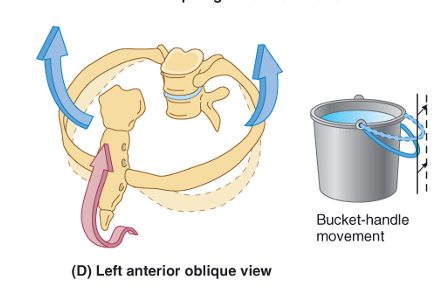
100
The structure indicated by the orange star receives blood from this region of the heart.
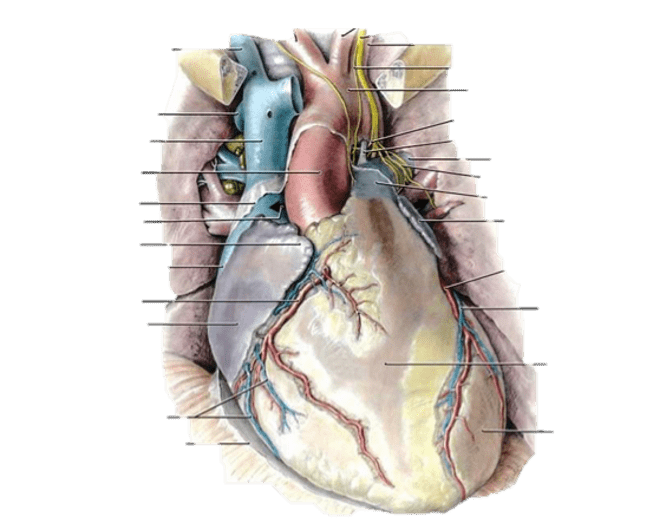
What is the right ventricle?
100
These structures are found within the abdominal quadrant indicated by the orange star.
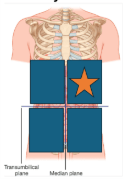
What is stomach, spleen, left kidney, left colic flexure?
100
Creation of the three primary germ layers results in the formation of many specific collections of cells. This layer is known to form the gastrointestinal tube.
What is the endoderm/endodermal layer?
100
Found within the posterior triangle of the neck, this cutaneous nerve ascends on the superficial surface of the sternocleidomastoid muscle accompanying the external jugular vein.
What is the great auricular nerve?
200
The lungs can be identified by the position of structures found within the hilum. In the left lung, the primary bronchus is positioned in this anatomical direction relative to the pulmonary artery.
What is inferior?
200
The right atrium receives deoxygenated blood from these three structures.
What is superior vena cava, inferior vena cava, and the coronary sinus?
200
Unlike the other muscles of the anterolateral abdominal wall, this muscle’s fibers run in an inferomedial direction.
What is the internal oblique muscle?
200
The gallbladder is a pear-shaped organ that lies on the visceral surface of the liver between the quadrate and caudate lobes. It is supplied with blood by this arterial structure.
What is the celiac trunk, cystic artery?
200
The anterior triangle of the neck is bordered superiorly by this structure.
What is the base of the mandible?
300
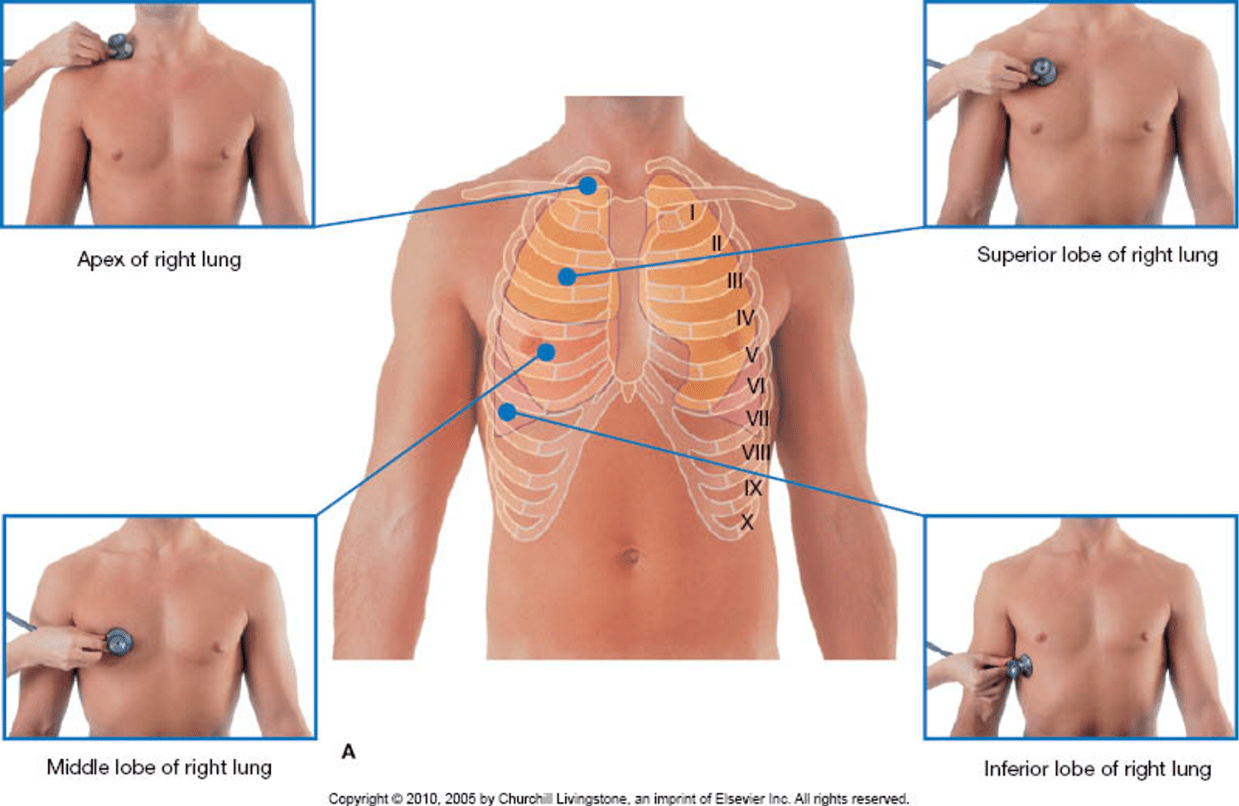
The middle lobe of the right lung can be auscultated at this location.
What is the 4th intercostal space at the midclavicular line?
300
Known as the pacemaker of the heart, the SA node is located at the junction of this anatomical structure and the superior vena cava.
What is the crista terminalis?

300
Retroperitoneal organs are classified as organs that are covered by visceral peritoneum on only one surface and are positioned against the posterior abdominal wall. Organs may become secondarily retroperitoneal, meaning that they are originally completely covered by visceral peritoneum and then lose a portion of their covering over time.
Identify one organ that fits this classification
What is ascending/descending colon, pancreas (except tail), and duodenum (2nd-4th parts)?
300
The cell bodies of preganglionic sympathetic neurons are found in this location.
What is the intermediolateral cell column of the spinal cord (IMLCC)?
300
At the root of the neck, the suprascapular and superior transverse cervical arteries run across the anterior surface of the anterior scalene muscle on their way toward the scapular region. They are branches of this common origin.
What is the thyrocervical trunk of the subclavian artery?
400
These structures traverse both the superior and posterior mediastinum.
What are the esophagus, thoracic duct, and vagus nerves, and sympathetics?
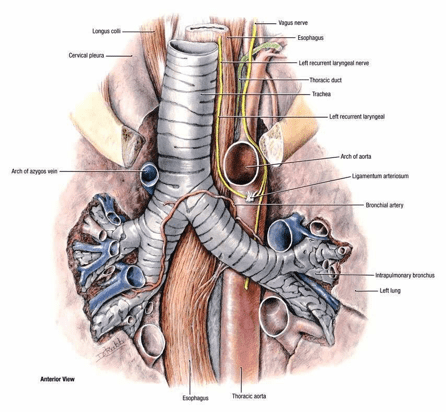
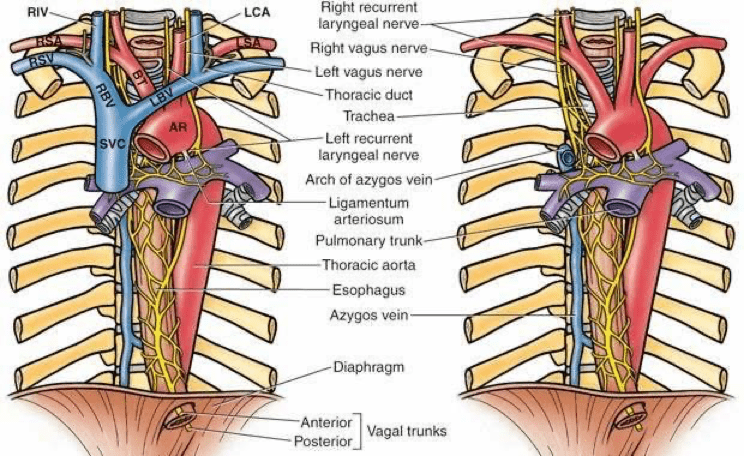
400
This structure runs through the anterior interventricular sulcus and functions to drain blood from the heart into the coronary sinus.
What is great cardiac vein?
400
This structure collectively receives venous blood from tributaries that drain the left kidney, suprarenal gland, and testicles or ovaries and carries it to the inferior vena cava.
What is the left renal vein?
400
This division of the autonomic nervous system has long preganglionic and short postganglionic fibers.
What is parasympathetic division?
400
This branch off of the vagus nerve, features two parts – an internal and external part that function to innervate the intrinsic muscles of the larynx and cricothyroid muscle, respectively.
What is the superior laryngeal nerve?
500
A 64-year-old man undergoes a surgical repair of an aortic aneurysm. Postoperatively, he has a hoarse, breathy voice and trouble projecting his speech. This injured structure is typically found along the lateral side of the arch of the aorta and passes posteriorly to the adult derivative of the embryological ductus arteriosus.
What is left recurrent laryngeal nerve?
500
A 40-year-old man with a history of deep vein thrombosis presents with an ischemic stroke. Echocardiogram reveals a small opening between the right and left atria that remained after birth, allowing a venous thrombus to bypass the lungs and enter systemic circulation. This structure is responsible for the right-to-left shunting of blood.
What is patent foramen ovale?
500
A 36-year-old man undergoes open repair of an abdominal aortic aneurysm. Postoperatively, he reports numbness over a small area of skin on the upper anterior thigh just below the inguinal ligament. During the procedure, this structure running on the anterior surface of the psoas major muscle was likely injured.
What is the genitofemoral nerve?
500
A newborn baby is born with omphalocele (see image below), a congenital defect that occurs due to the failure of this developmental process.
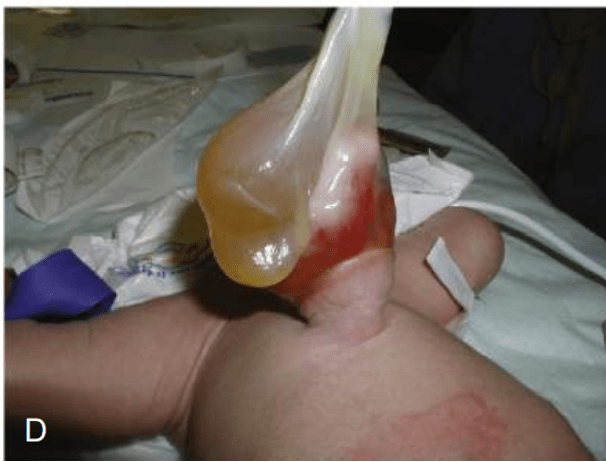
What is lateral body wall folding?
500
A 60-year-old male, with a history of smoking and shoulder pain, arrives at the emergency department. The doctors suggest a diagnosis of Horner syndrome. These are the three characteristic symptoms of this syndrome.
What is ptosis, anhidrosis, and miosis?