Nucleic Acids I
Nucleic Acids II
Organization of DNA
DNA Replication
Protein Synthesis
100
DNA and RNA are this type of molecule, made of subunits called nucleotides.
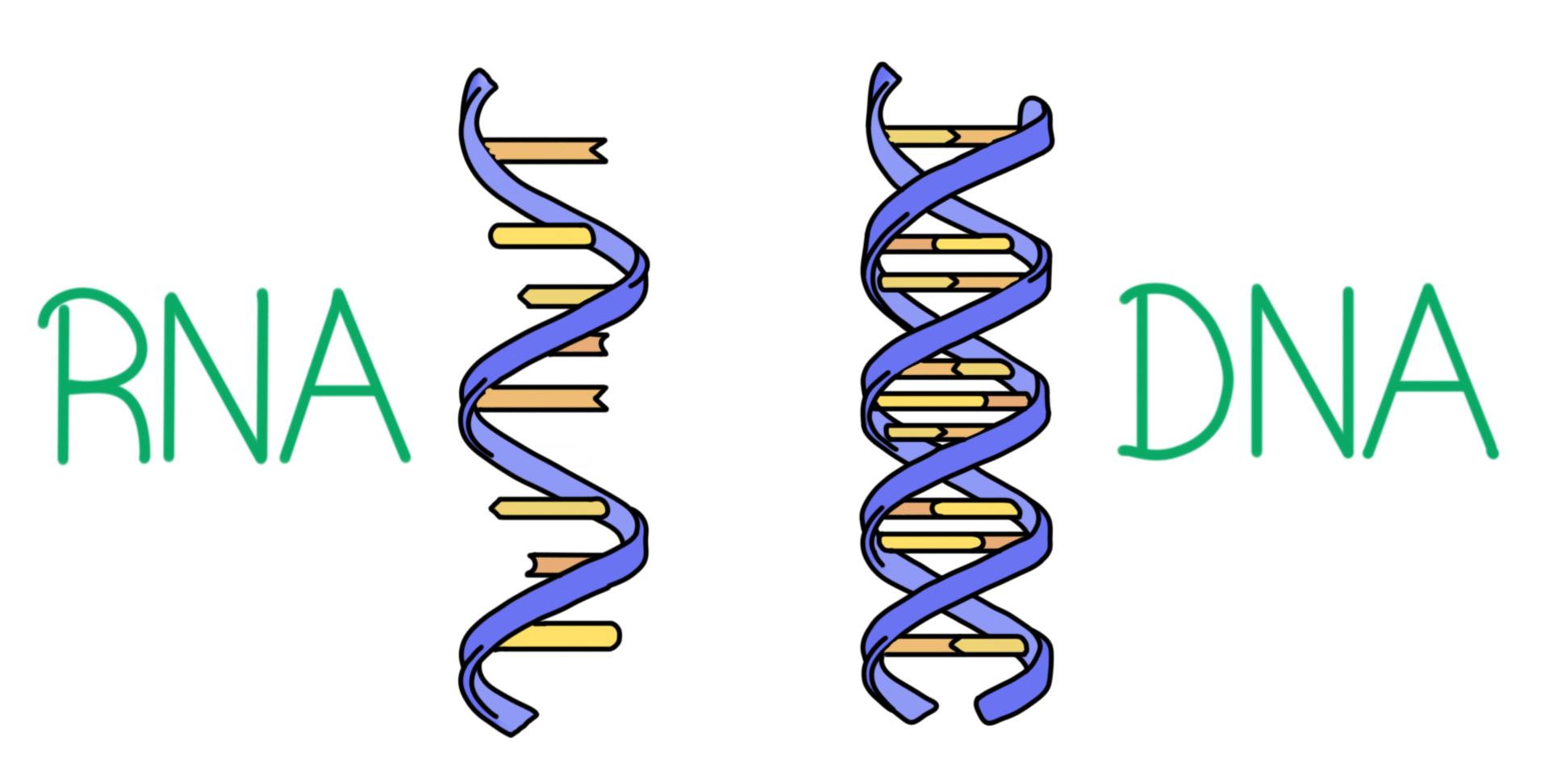
What is a NUCLEIC ACIDS?
100
These two nucleobases always pair together, in both DNA and RNA!
What are CYTOSINE and GUANINE?
100
DNA is a nucleic acid, which is made of many building blocks called ____________.
What are NUCLEOTIDES?
100
During the process of DNA replication, many of these molecules control and catalyze the process. One of these molecules breaks the weak H-bonds between the bases to separate the strands, another synthesizes the new DNA strands, etc. In the diagram below, they are represented by the colored shapes.

What are ENZYMES?
100
Transcription occurs in this organelle.
What is the NUCLEUS?
200
These are the four nitrogen-containing bases found in DNA molecules.
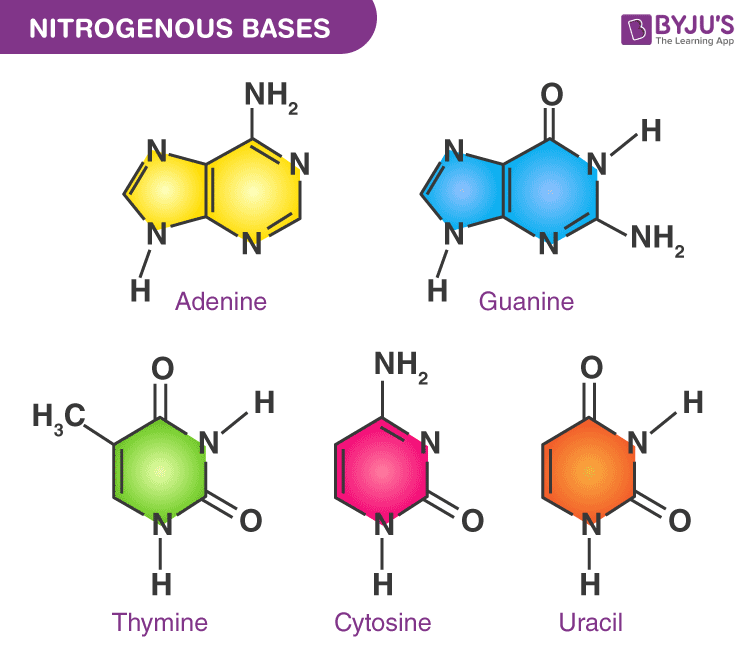
What are A, T, C and G?
200
This base pairs with adenine in DNA molecules.
What is THYMINE?
200
Sections or segments of DNA, which code for proteins, are called _____________. There can be multiple versions of these called "alleles."
What are GENES?
200
DNA replication must happen before THIS PROCESS, so that each resulting daughter cell contains a complete set of DNA.

What is CELL DIVISION?
200
During transcription, the DNA instructions for the protein are encoded in this molecule.
What is mRNA?
300
These are the subunits (building blocks) of nucleic acids.
What are NUCLEOTIDES?
300
This nucleobase pairs with A when RNA is synthesized.
What is URACIL (or U)?
300
These are a condensed form of DNA, which contain many genes. Humans have 46.
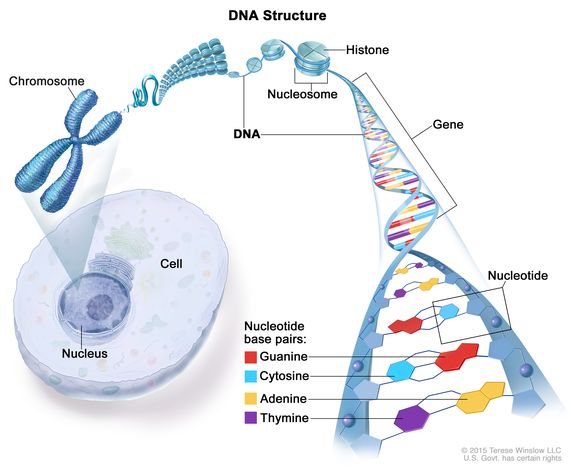
What are CHROMOSOMES?
300
DNA replication is referred to as semi-conservative because the old strands serve as template molecules in the new strand. This "rule" is how the enzymes know which bases to put where when synthesizing the new strand.
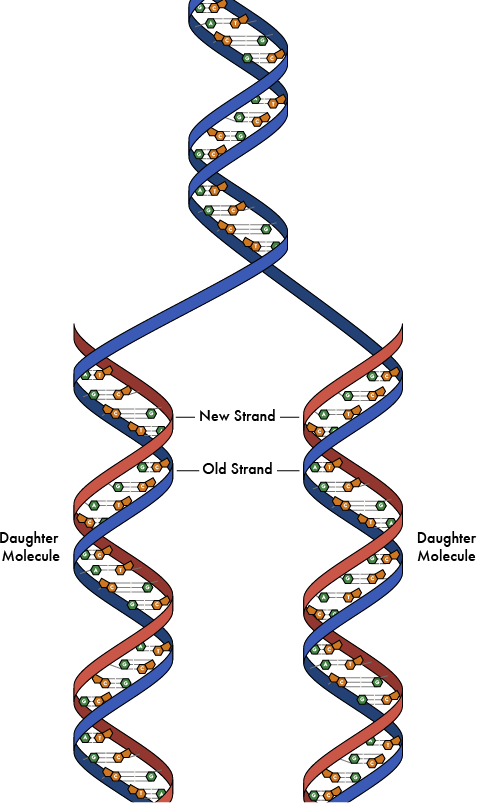
What is the BASE PAIRING rule?
300
This is a group of three mRNA bases that codes for an amino acid.
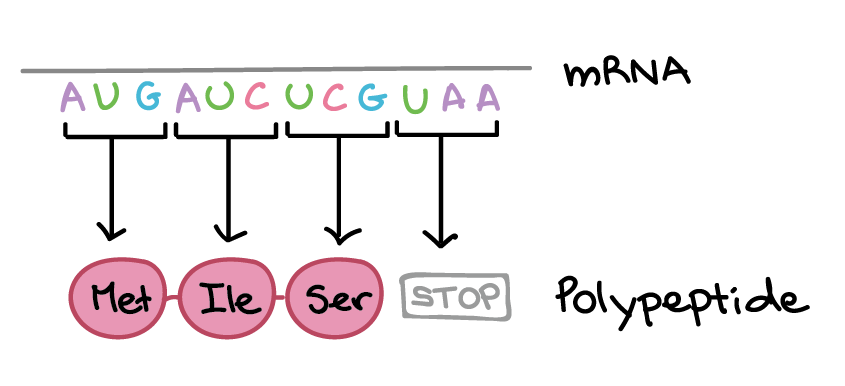
What are CODONS?
400
This is the most important part of a nucleotide, because the sequence of these in the DNA determines the sequence of amino acids in proteins.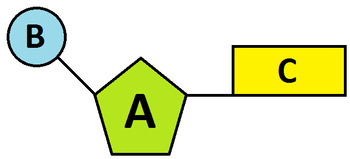
What is (C) the BASE?
400
These are the THREE parts of a nucleotide.
What are (A) SUGARS, (B) PHOSPHATES, and (C) BASES?
400
Due to the size of the molecule and its importance, DNA always remains in this organelle of a eukaryotic cell.
What is the NUCLEUS?
400
This term describes the passing of DNA from one generation to the next via reproduction. This is why we say traits are "inherited."
What is HEREDITY?
400
Translation occurs at this organelle.
What is RIBOSOME?
500
Name TWO differences between DNA and RNA!
What is (1) RNA uses URACIL where DNA uses THYMINE, (2) RNA is SINGLE-STRANDED while DNA is DOUBLE-STRANDED, (3) RNA has a RIBOSE SUGAR where DNA has a DEOXYRIBOSE sugar, (4) DNA is only found in the NUCLEUS while RNA is found in the nucleus, cytoplasm, and ribosomes.
500
During translation these molecules carry amino acids to the ribosome. They add the amino acid to the growing polypeptide if their anti-codon matches with the mRNA codon.
What is tRNA?
500
The ________ _____________ of nucleotides found in DNA is the most important characteristic of the molecule. It is ALL ABOUT THIS... because it directly codes for a sequence of amino acids which will be translated at the ribosome.
What is the BASE SEQUENCE?
500
Genes determine traits. Your __________ is the encoded instructions in your DNA. Your phenotype is what you actually look like due to gene expression.
What is GENOTYPE?
500
If there was a mistake (mutation) in a gene, what type of molecule would be most directly affected?
What is a PROTEIN?