Big Ideas
Vocabulary
Misc.
100
This molecule provides a blueprint for living things
What is DNA?
100
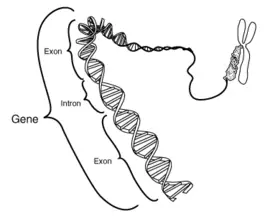
This is a section of DNA that codes for a specific protein.
What is a gene?
100
A strand of DNA has the following bases. What are the bases on the opposite (complimentary) strand?
C T A A T G T
G A T T A C A

200
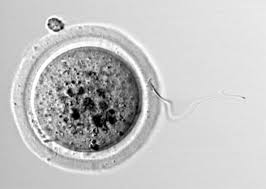
Why do we have 2 copies (alleles) for each gene?

Your biological parents (i.e. the sperm and egg that made you!)
200
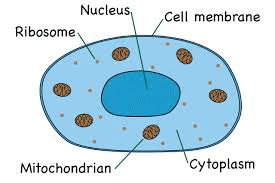
The part of a cell where DNA is found.
What is the nucleus?
200
Name ONE difference between DNA and RNA
Any of the following:
-Different sugar (Ribose instead of Deoxyribose)
-Different bases (Uracil, U, instead of Thymine, T)
-Single Strand
300
This scientist figured out the shape of DNA, but didn't get any of the credit.
Who is Rosalind Franklin?
300
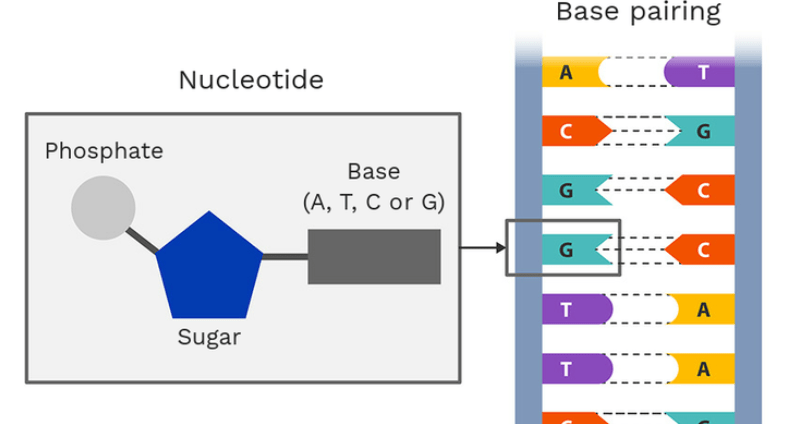
This is the smallest unit of DNA. It contains a phosphate, deoxyribose (sugar), and a nitrogen base.
What is a nucleotide?
300
What part of the DNA molecule contains the information?
The nitrogen bases (A, T, C, G)
Adenine, Thymine, Cytosine, Guanine
400
This is the type of molecule our cells make using the instructions on DNA.
What are proteins?
400
This is the name for the structures inside the nucleus that are made out of wound up DNA.
What are chromosomes?

400
This part of a nucleotide (abbreviated A, T, C, and G) contains the code for DNA.
What is the nitrogen base?
500
Why do cells need to copy their DNA?
(Hint: These pictures of my son were taken about 1.5 years apart)
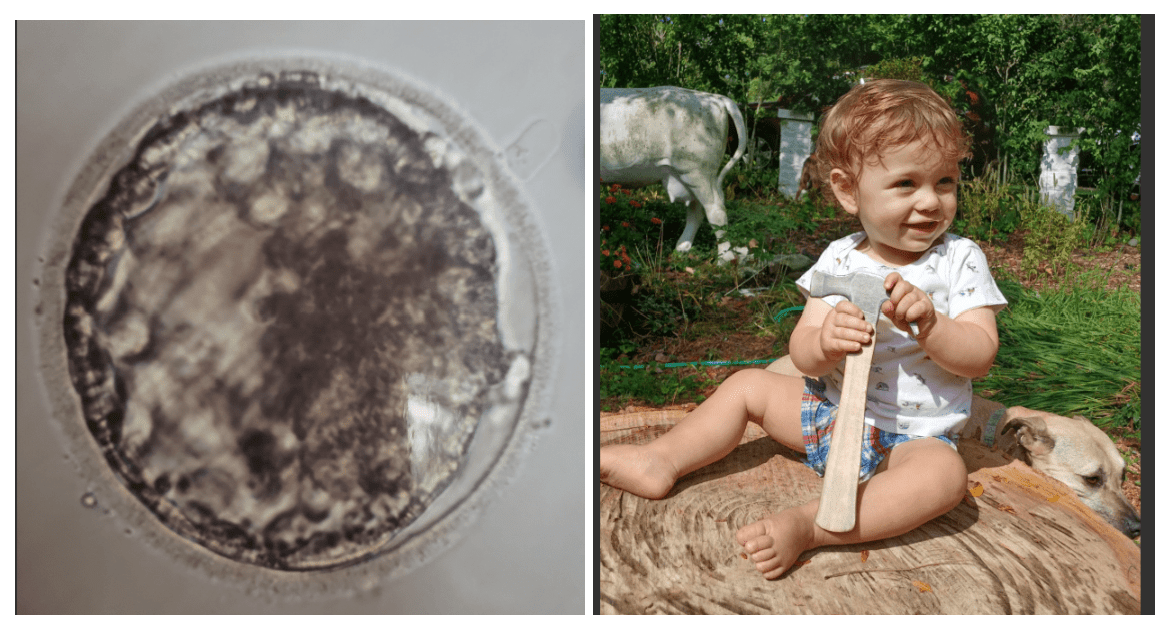
So that as cells divide, each new cell will have a full copy of the DNA.
Every cell needs a full copy of the directions so that your body can function.
When we are embryos/fetuses/babies our cells divide a LOT! But even adults' cells are dividing all the time.
500
This is the type of bond between base pairs in the DNA strand.
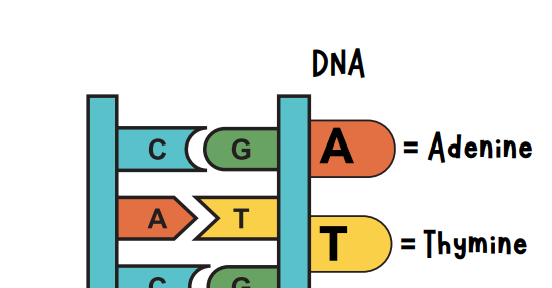
What are hydrogen bonds? (Important thing to know is that they are WEAK bonds!)
500
Why does RNA need to act as a "messenger" for proteins to be made? (Picture is a hint)
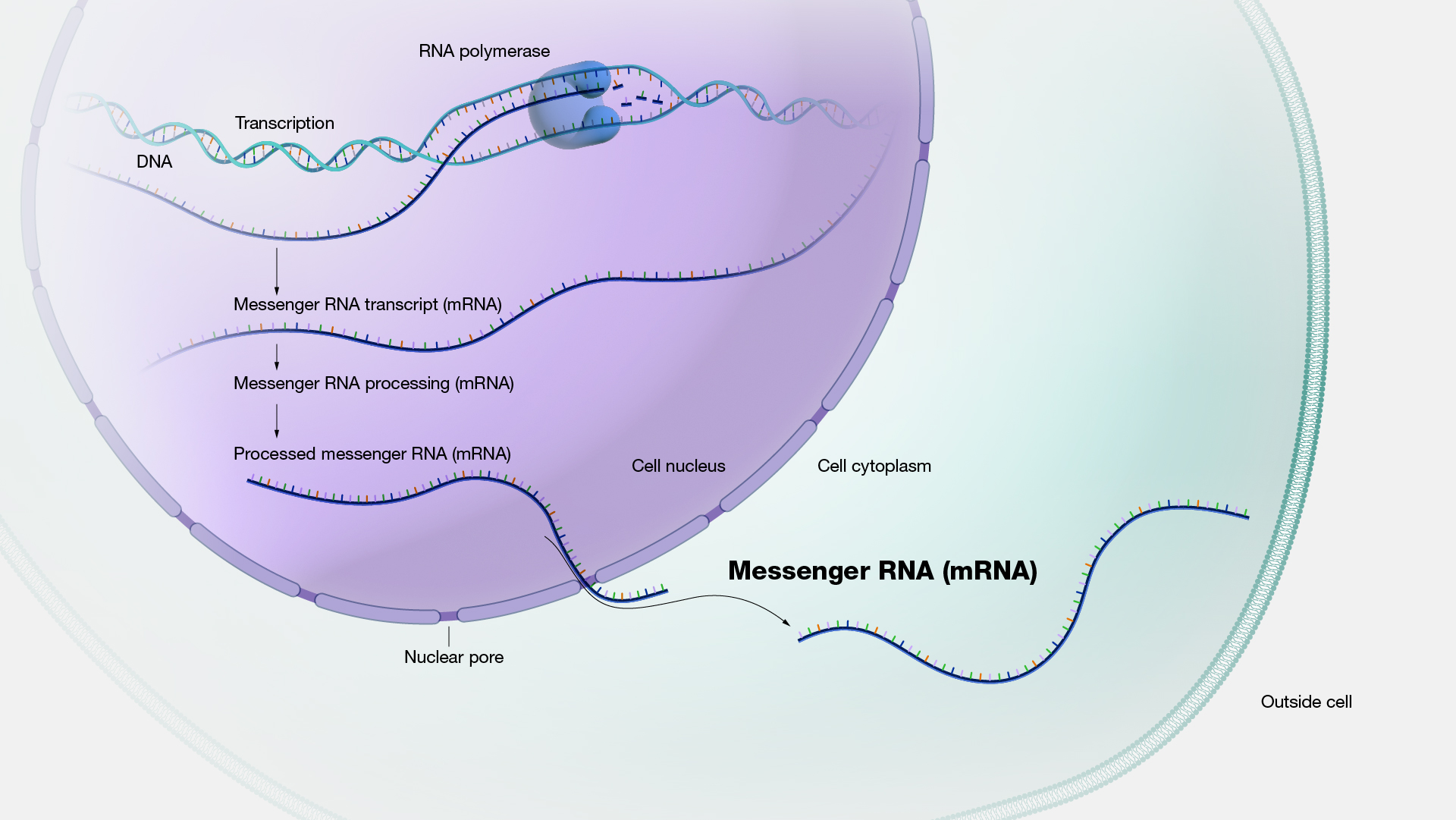
Proteins are made outside of the nucleus, and the DNA is too big to fit through the pores in the membrane.
(Think of it like copying 1 page you want of a cookbook instead of the entire book)