SINUS CITY
ATRIAL ANTICS
JUNCTIONAL JUNGLE
VENTRICULAR CHAOS
BLOCK PARTY
SUPRA-SPEEDWAY
Name That Rhythm
FINAL JEOPARDY: “THE RHYTHM RIDDLE”
100
This sinus rhythm is regular and under 60 bpm.
What is sinus bradycardia
100
This rhythm is “irregularly irregular.”
What is atrial fibrillation
100
This junctional rhythm has a rate of 40–60 bpm.
What is junctional escape rhythm
100
These early beats are wide, bizarre, and come from the ventricles.
What are PVCs
100
This block has a prolonged PR interval but no dropped beats.
What is first‑degree heart block
100
This rhythm is a narrow‑complex tachycardia usually 150–250 bpm.
What is SVT
100
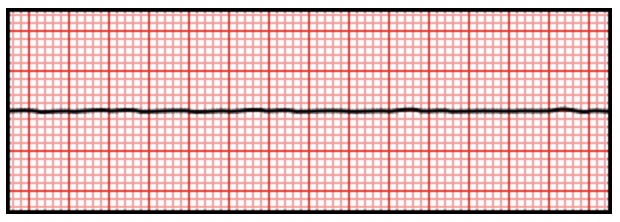
What is asystole
100
This rhythm has no pulse, chaotic electrical activity, and requires immediate defibrillation.
What is ventricular fibrillation
200
This sinus rhythm is regular and over 100 bpm.
What is sinus tachycardia
200
This rhythm has sawtooth flutter waves.
What is atrial flutter
200
This junctional rhythm has a rate of 60–100 bpm.
What is accelerated junctional rhythm
200
This lethal rhythm looks like a chaotic scribble and has no pulse.
What is ventricular fibrillation
200
This block has progressively longer PR intervals until a beat drops.
What is second‑degree type I (Wenckebach)
200
This maneuver is the first-line treatment for stable SVT.
What are vagal maneuvers
200

What is sinus bradycardia
300
This rhythm speeds up and slows down with breathing.
What is sinus arrhythmia
300
These early beats come from the atria and have abnormal P‑waves.
What are PACs
300
This junctional rhythm has a rate over 100 bpm.
What is junctional tachycardia
300
This ventricular rhythm is fast, wide, and may or may not have a pulse.
What is ventricular tachycardia
300
This block has a constant PR interval but randomly dropped beats.
What is second‑degree type II
300
This medication briefly stops the AV node to reset SVT.
What is adenosine
300

What is a-flutter
400
This sinus rhythm is fast because the body is compensating for things like fever, pain, or dehydration.
What is sinus tachycardia
400
This rhythm has at least 3 different P‑wave shapes.
What is wandering atrial pacemaker
400
These rhythms often have inverted, absent, or retrograde P‑waves.
What are junctional rhythms
400
This rhythm “twists” around the baseline and is treated with magnesium.
What is torsades de pointes
400
This block has no communication between atria and ventricles.
What is third‑degree heart block
400
This rhythm is irregularly irregular and may require rate control.
What is atrial fibrillation
400

What is Mobitz II or second degree heart block type 2
500
This sinus rhythm may require atropine if the patient is symptomatic.
What is sinus bradycardia
500
This version of AFib has a dangerously fast ventricular response.
What is AFib with RVR
500
Digoxin toxicity is a classic cause of this junctional rhythm.
What is accelerated junctional rhythm or junctional tachycardia
500
This smooth, sine‑wave‑like rhythm often precedes V‑fib.
What is ventricular flutter
500
This block often requires immediate pacing due to risk of deterioration.
What is second‑degree type II or third‑degree block
500
This rhythm may require synchronized cardioversion if unstable.
What is SVT or AFib with RVR
500
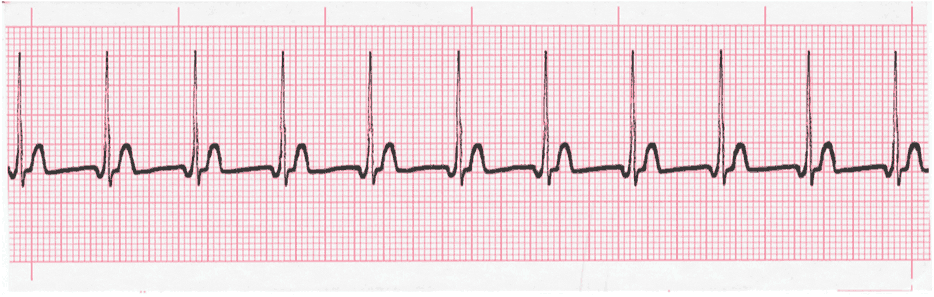
What is junctional tachycardia