Vocabulary
Plate Boundaries
W,E,D
Natural Disasters
Mixed Topics
100
Breakdown of rock or soil into smaller pieces
Weathering
100
Forms when two plates slide past one another
Transform plate boundary
100
The two types of weathering
Mechanical and Chemical
100
The most common and widespread type of natural disaster
Flood
100
Type of tectonic plate that is more dense
Oceanic
200
Plate boundary that occurs when two plates move apart
Divergent plate boundary
200
Landform created when two continental plates converge
Folded mountains
200
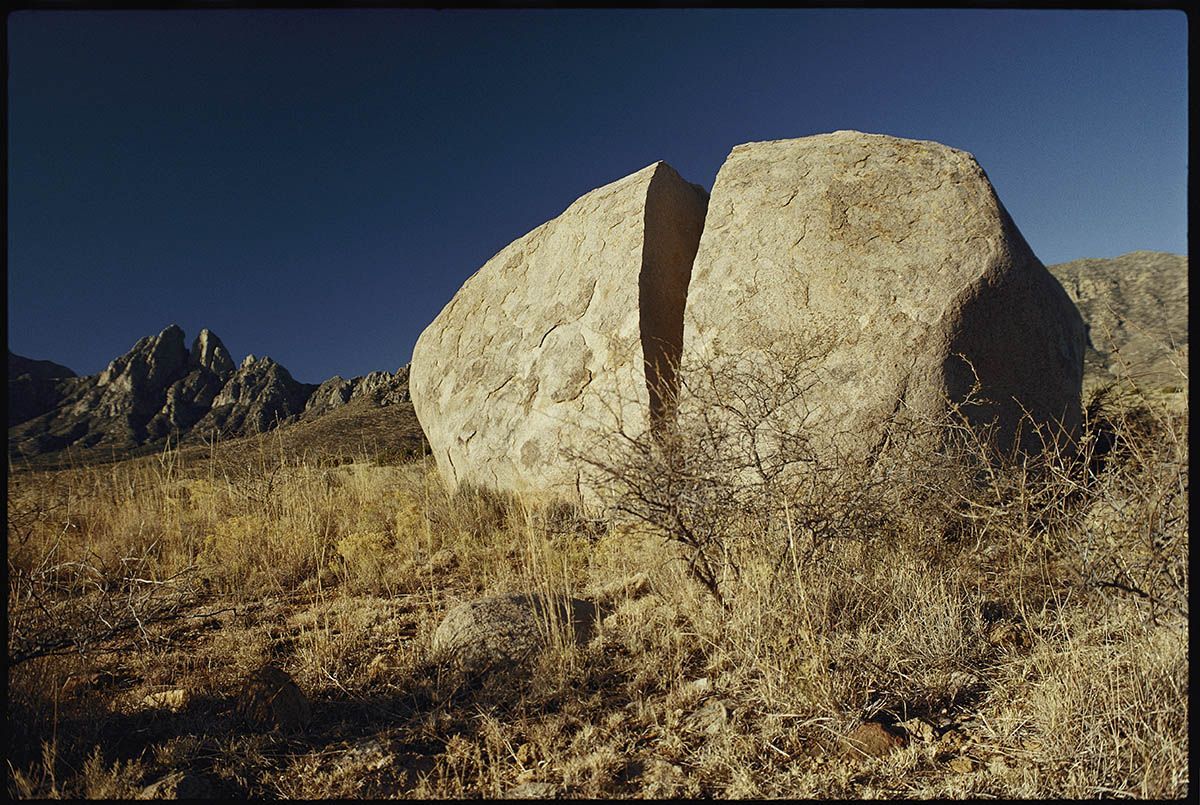
Weathering
200
Two types of volcanic eruptions
Explosive and nonexplosive
200
Area in the Pacific with a lot of tectonic plate boundaries
Ring of Fire
300
Occurs at a convergent plate boundary when one plate moves beneath the other
Subduction zone
300
Occur mostly at transform boundaries
Earthquakes
300
Four agents of erosion
Wind, water, ice, gravity
300
Used to measure the intensity of earthquakes
Richter Scale
300
How precipitation is involved in weathering, erosion, and deposition
Water can breakdown rock (weathering), move sediment (erosion), and wash it to a new location (deposition)
400
Means "harbor wave" in Japanese
Tsunami
400
Form when two oceanic plates converge
Volcanic island chains
400
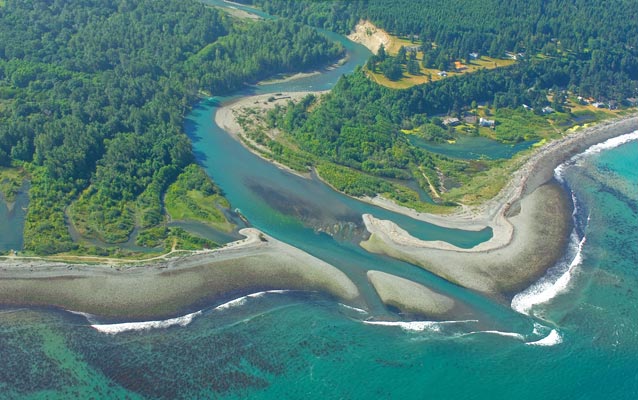
Deposition
400
Most common type of landslide
Slump
400
3 types of natural disasters caused by tectonic plate movement
Volcanic eruptions, earthquakes, tsunamis
500
Mass movement of large amounts of rock and soil
Landslide
500
Cause the movement of tectonic plates
Convection currents
500
The breakdown of rock when water enters cracks, freezes, expands and causes the rock to break apart.
Freeze-thaw weathering
500
How a volcanic eruption can affect weather and climate
Releases ash into the atmosphere, which can filter sunlight, affecting global temperatures
500
Type of naturally soft rock often associated with the creation of sinkholes
Limestone