Food Science
Navigating Nutrition
Healthy Choices
Misc.
200
Which of the following foods is NOT a whole-grain?
a.) Quinoa
b.) White rice
c.) Oatmeal
d.) Popcorn
b.) White rice
If you want a whole-grain option, try brown rice instead! Brown rice is like white rice instead that the bran and germ layer have been removed. Remember, whole-grains are high in fibre, which keep you fuller longer, and are a good source of many vitamins and minerals.

200
How much of your plate should be composed of fruits and vegetables (as per the recommendations of the new Canada Food Guide)?
a.) 1/4
b.) 1/2
c.) 3/4
d.) None. Fruits and vegetables are not important
b.) 1/2
Try to remember the phrase "half your plate". Choose a variety of fruits and vegetables that involve different colours, flavours and textures. Eat fruits and veggies you enjoy and maybe even try something new

200
Rank the following beverage choices:
Fruit juice, water, milk
Water> Milk> Fruit Juice
Water is the best beverage choice. Water is necessary for our body to function.
1-2 glasses of unflavoured, unsweetened milk per day provides calcium, and macronutrients (protein, carbohydrates (lactose), and fat), however the calories can add up.
100% fruit juice is no longer recommended for children. The American Academy of Pediatrics now recommends limiting fruit juice as it has a high sugar content that is readily absorbed, which can put children at risk for weight gain and insulin resistance.
200
What macronutrient is important to eat before a big sports competition? (hint- the main energy source)

Carbohydrates!
Although all macronutrients are important, carbohydrates are the main immediate energy source for your body! However, try reaching for more complex carbohydrates like whole-grains (ex. oatmeal and quinoa), which will keep your body energized and fuelled for a longer period of time!
300
Name 2 nutrients found in fish

Polyunsaturated fats (omega-3), protein, vitamin B12, potassium, iron, and vitamin D
Fish and shellfish are part of the "protein" category in the Canada Food Guide along with shellfish, nuts, lean meats, and tofu
300
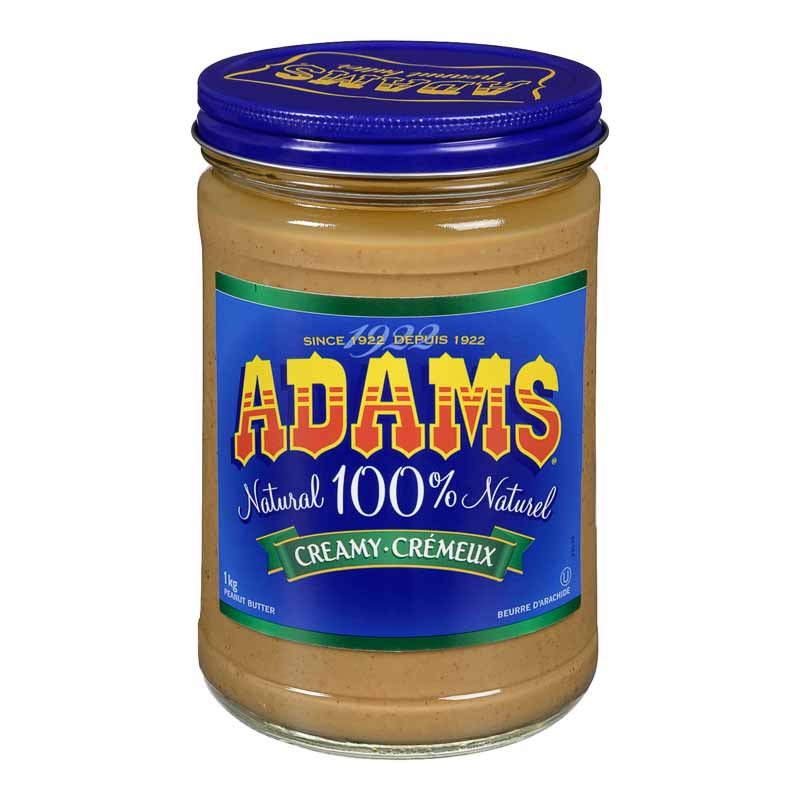
Which jar of peanut butter would you choose more often? Why? (Hint: look at the ingredients list)
#1

#2
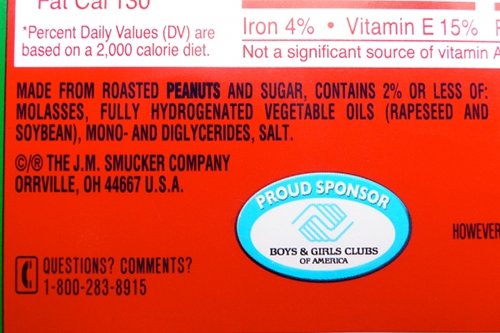
Jar #1
This jar of peanut butter does not contain any additional oils or sugar. It has been less processed than jar #2.
When making healthy food choices, choose items that are minimally processed with little to no added sugar, salt, or saturated fat (ex. unflavoured oatmeal, homemade baked goods, natural nut butters, fresh or frozen fruits/vegetables)

300
True or false: Popcorn is a healthier substitution for chips.

True, as long as you do not add a lot of butter or salt! Make popcorn your #1 choice and choose chips once in a while
300
True or false: The concept of "portions" has been removed from the new Canada Food Guide.
True. The emphasis is equally put on "how" to eat than "what" to eat. It gives advice on cooking, atmosphere during mealtimes, and how to enjoy food.
400
How many cups of milk or fortified milk-alternative (ex. almond milk) would you have to drink in order to get your recommended daily intake of calcium?
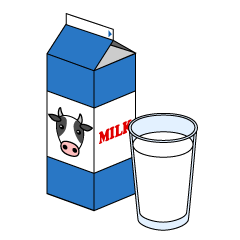
4 cups!
Calcium is important for bone, teeth, muscle, and heart health. Some good sources are: canned fish, tofu, yogurt, cheese, and green vegetables
400
Which of the following is an example of food marketing?
a.) A pamphlet on healthy eating from Health Canada
b.) School presentation given by a registered dietitian or another health professional
c.) Getting a muffin recipe from your grandma
d.) A sample of a new cereal flavour from Costco
d.) A sample of a new cereal flavour from Costco
Food marketing is a form of advertising that creates food trends and influences your food choices and opinions. It comes in many forms (tv ads, social media posts, celebrity endorsements, product placements, etc.
Use the nutrition label and reliable ressources (such as a health professional or government website) to make healthy choices!

400
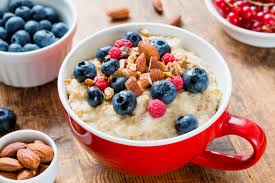
Name 3 ways of increasing your fibre intake.
Eat oatmeal, fresh/frozen fruits and vegetables, whole-grain foods, legumes, switch out chips for popcorn, etc.
400
Which food groups were combined in the new 2019 edition of Canada’s Food Guide? BONUS: Why?
Dairy and meats/alternatives were combined under the "protein" food group.
500
Your body can produce what vitamin from sunlight?

Vitamin D
Your body can produce its own vitamin D from the sun's UV rays using your kidneys and your skin! However in the winter, when we are less exposed to the sun, this process can become difficult..
Some rich sources of vitamin D in food are: milk/plant-based milks, margarine, fish (ex.salmon), and eggs.
500
How many grams of sugar are in a regular can of Coca Cola?
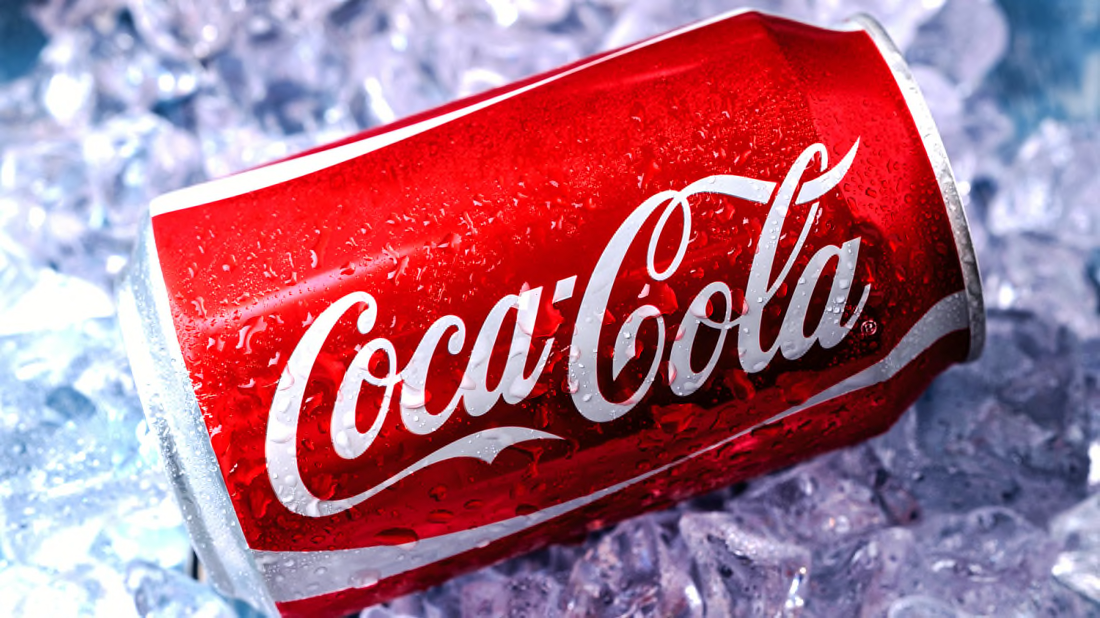
39 g of sugar (about 13 sugar cubes, 15 teaspoons, or 5 tablespoons)
Drinking sugar by means of fruit juices, pop, energy drinks, and flavoured coffees is an easy way of consuming too much sugar without consuming any nutrients.. It also puts you at risk of cavities and other health-related problems.
Make water your #1 choice to keep hydrated, and choose sugary drinks once in a while
500
True or false: Sweet potatoes are a better option than regular potatoes.
False! Potatoes are also very nutritiously dense! They also have many important vitamins and minerals such as vitamin C and potassium
However, try to eat them baked or roasted instead of fried. Fried foods contain saturated and trans fats- which are not the best for your overall health!
500
What is the difference between a nutritionist and a dietitian?
A dietitian is legally licensed, requires a 4-year bachelor's degree, 9 months of practice placement, and passing a national exam.
Nutritionists are not regulated, anyone can call themselves a nutritionist.
