Nutrient Cycles
Ecological Relationships
Ecosystem Roles
Community Interactions
Sampling Techniques/Math
100
We cannot access this nutrient when it is in the atmosphere - it has to be "fixed" before we can use it.
Nitrogen
100
What is always at the bottom of the trophic pyramid?
Producers
100
What are BIOTIC factors you can find in an ecosystem?
Any living organisms or materials from a formerly living resource - animals, plants, fungi, bacteria, etc.
100
A tick feeding on a dog to obtain energy is an example of what symbiotic relationship?
Parasitism
100
When calculating population density, what two factors do you need to know?
total population size and area
200
Photosynthesis _____________ (absorbs/releases) Carbon Dioxide __________ (from/into) the atmosphere
Absorbs/From
200
This is a species that is NOT NATIVE to an ecosystem where it is HARMING native species.
Invasive Species
200
What are some ABIOTIC factors you can find in an ecosystem.
Anything NON-LIVING - something that is not alive, was never alive, and has no potential to become alive. Sunlight, soil, wind, temperature, climate, precipitation, and many other resources are ABIOTIC
200
Sick or less fit individuals within a population are caught and eaten is an example of which type of symbiotic relationship?
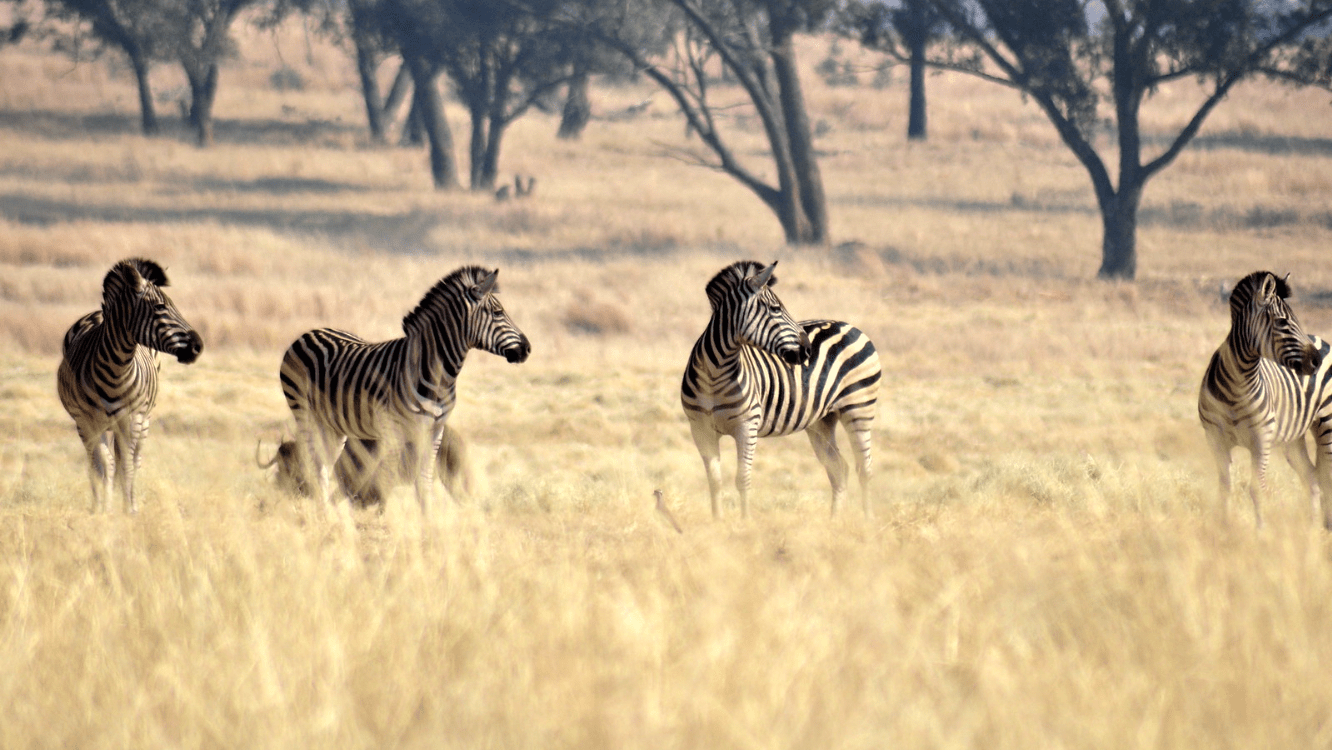
Predation
200
This sampling technique is useful for IMMOBILE (non moving) POPULATIONS
Quadrat Sampling
300
97% of the water on earth can be found here.
The oceans.
300
Biomes are characterized by their _________ (biotic/abiotic) factors
Abiotic - temperature and climate are the two main predictors of biome characteristics.
300
Arrows in food webs show _________
The path of energy/who eats what (arrows are pointing TOWARD consumers)
300
Factors that could increase population growth.
Increased birth rate, decreased emigration, increases in prey species, decreases in predator populations, etc.
300
If you want to improve the accuracy of your data, what should you do to your sample size?
Increase it - an increased sample size leads to increased accuracy.
400
Cellular Respiration consumes ________ (oxygen/carbon dioxide) and releases _________ (oxygen/carbon dioxide) as waste.
1.Oxygen 2. Carbon dioxide
400
These groups of species help to keep entire ecosystems healthy by directly or indirectly impacting most of their ecosystem in some way.
What is a KEYSTONE SPECIES
400
All food webs end/"restart" with this Ecosystem Role
Decomposers
400
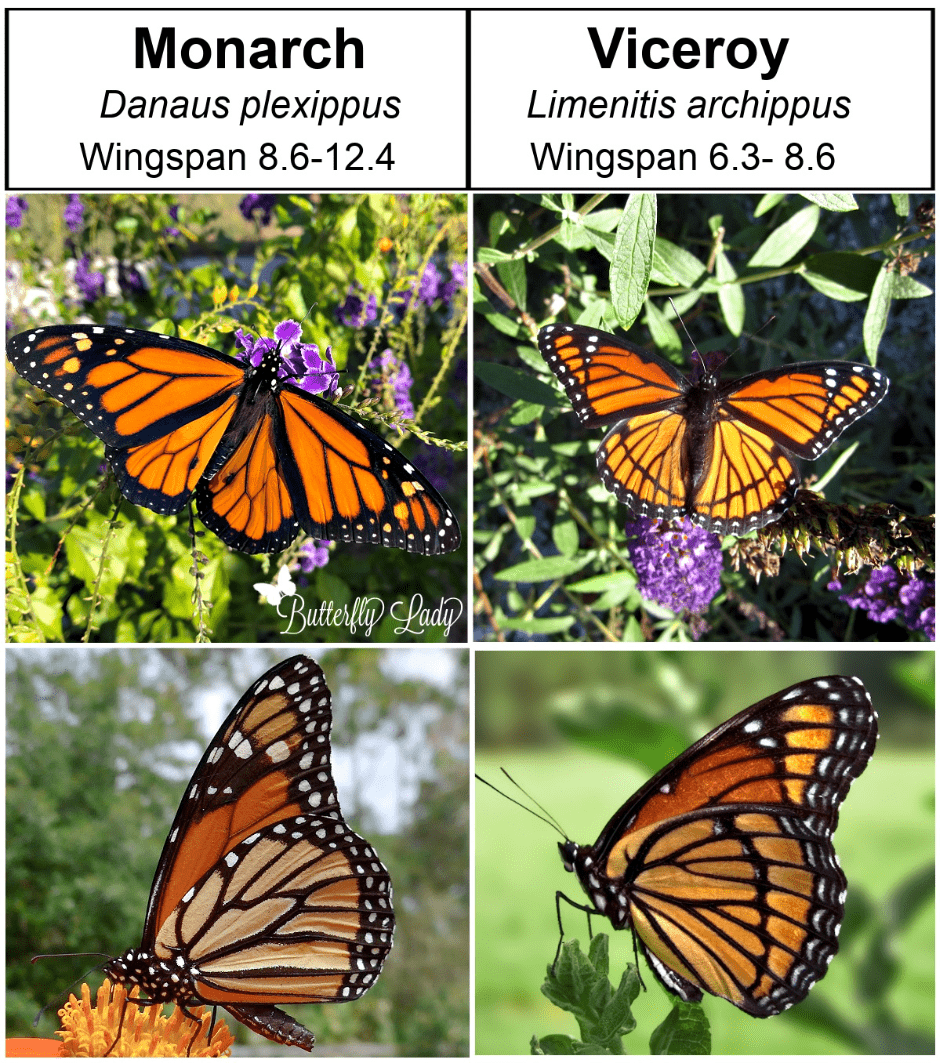
This Viceroy butterfly mimicking the toxic Monarch Butterfly is an example of which symbiotic relationship?
Commensalism (one organism benefits, the other is not impacted)
400
A scientist is conducting a survey where they will count coral species in 8 different quadrats. Each quadrat is 2.5m x 2.5m. What is the total sample area?
50 m2
500
These are the main source of Nitrogen Fixation in any ecosystem.
Symbiotic, Nitrogen Fixing Bacteria! They live in plant roots!!
500
A student is given this food chain:
Grass → Cricket → Bird → Hawk → Fungi
The student claims that the Fungi is an apex predator because it eats the Hawk
Explain why the hawk is the apex consumer. Then identify the role of the fungi and explain why it belongs at the end of this model.
The hawk is the apex predator because it is at the top of the food chain and is not normally hunted by another animal in that chain. The fungi are decomposers because they break down dead organisms and other dead matter, helping return nutrients to the environment.
500
Fruit bats fly around eating fruits from a variety of trees to obtain food. What is a primary positive impact that this behavior has on those trees?
Pollination/Seed Spreading
500
What is a LIMITING FACTOR in an ecosystem?
Any factor that can RESTRICT population growth in an ecosystem - these can be nutrients, light, space, water, or other abiotic or biotic factors.
500
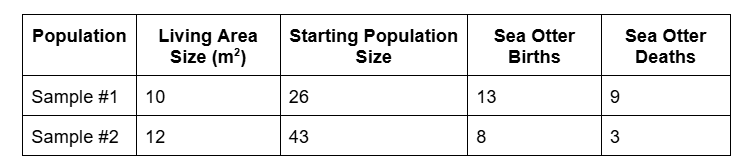
Which population of sea otters has a higher population density after 1 year? What is the population density?
Population 2. It is 4 otters per square meter.