Easy
Medium
Difficult
2x Difficulty
Mystery
100
An __________ is a geographic area where plants, animals, and other organisms work together with weather and landscapes to form a bubble of life. It consists of all the living organisms in a specific area interacting with all the non-living physical components of their environment.
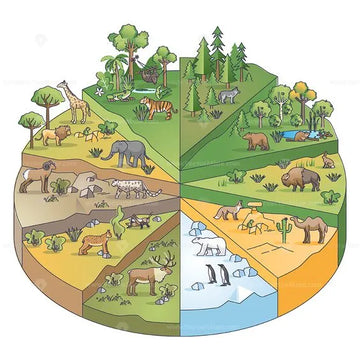
Ecosystem
100
The place within an ecosystem where an organism lives; provides the biotic and abiotic factors an orgainsm need to survive and reproduce.
Habitat
100
The size of population compared to the amount of space available.
Population density
100
All organisms of the same species that live in the same area at the same time.
Population
100
The _______ is the global ecological system encompassing all living organisms on Earth and their interactions with the environment.
Biosphere
200
Living things like plants, animals, and fungi.
Biotic Factor
200

Non-living things like water, sunlight, and soil.
Abiotic factor
200
True or False. Production of offspring increases the size of a population. The death of individual reduces size.
True
200
A relationship where one species benefits, and the other is harmed.
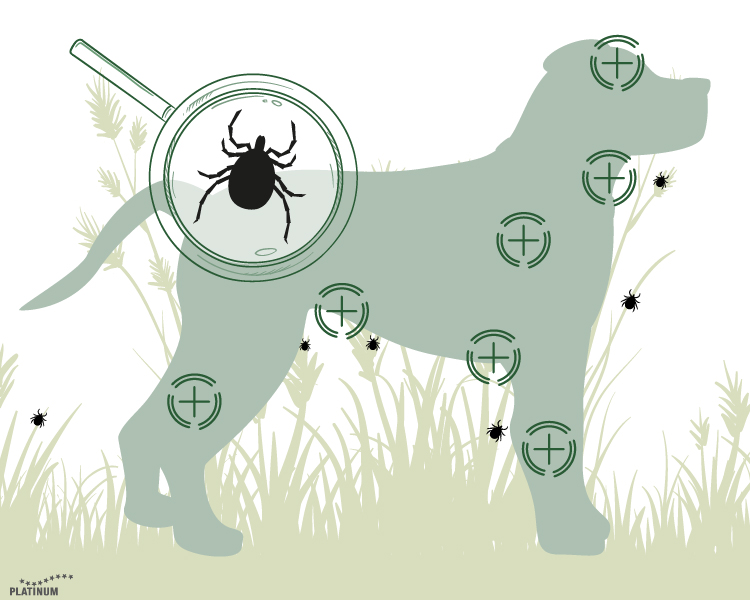
Parasitism
200
Animals that feed on dead animals for energy.
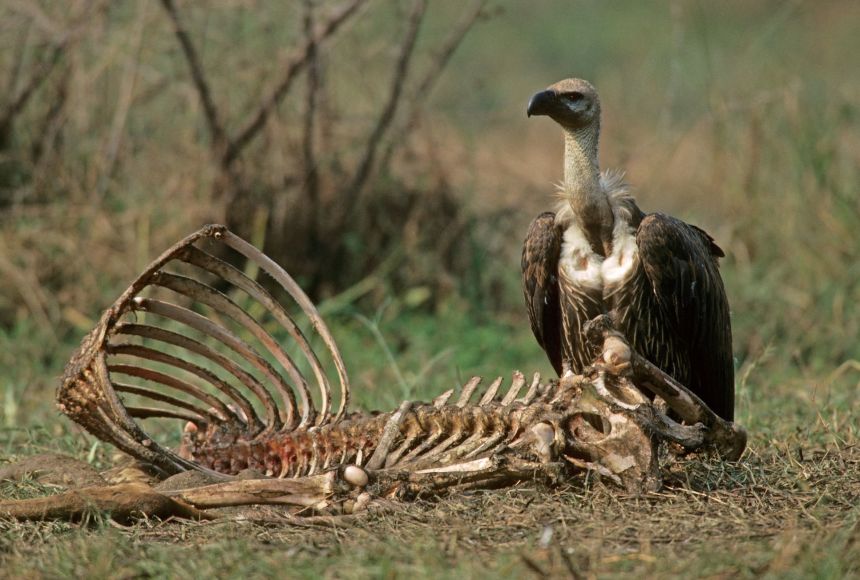
Scavengers
300
A single, straight path showing who eats whom.
Food Chain
300
The hunted animal in a hunting relationship.
Prey
300

Can a mouse be part of more than one food chain? Give examples.
Yes.
300
_________ is the largest number of individual of one species that an ecosystem can support over time.
Carrying capacity
300
Condition that occurs when a population becomes so large that it causes damage to the environment.
Overpopulation
400
A very hot biome with sand dunes, cacti, and very little rainfall.
Desert
400
A relationship where both species benefit.

Mutualism
400

What kind of competition?
Interspecific competition occurs between members of different species.
400

The act of one organism to feed on another organism.
Predation
400
How many different food chains can you find in this food web?
There are 14 different food chains.
They are:
- Grass → Rabbit → Fox
- Grass → Rabbit → Hawk
- Grass → Mouse → Fox
- Grass → Mouse → Hawk
- Grass → Mouse → Owl → Hawk
- Grass → Grasshopper → Bird → Snake → Hawk
- Grass → Grasshopper → Frog → Owl → Hawk
- Grass → Grasshopper → Frog → Snake → Hawk
- Grass → Grasshopper → Bird → Snake
- Grass → Grasshopper → Frog → Owl
- Grass → Grasshopper → Frog → Snake
- Grass → Mouse → Owl
- Grass → Mouse → Hawk
- Grass → Rabbit → Hawk
500
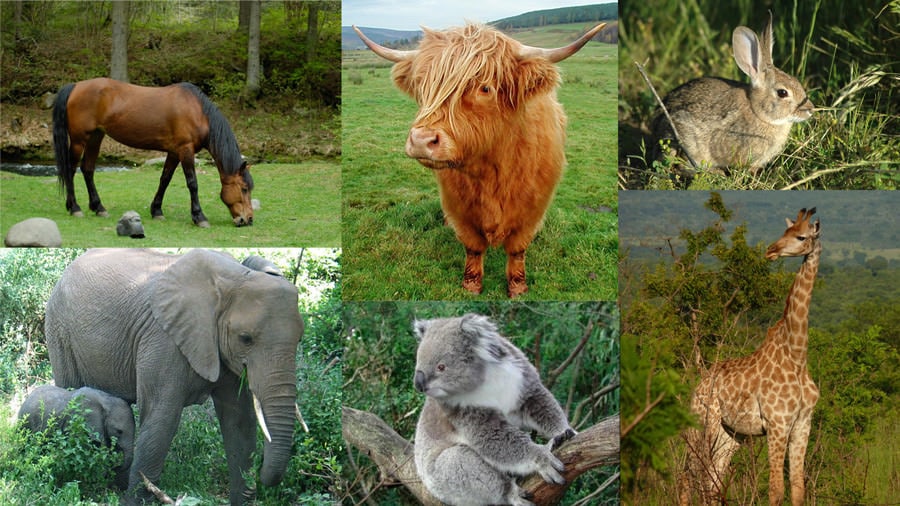 Animals that feed on plants to gain eneergy.
Herbivore
500
An organism that uses an outside energy source, such as the Sun, and produces its own food.
Producers
500
A symbiotic relationship in which one organism benefits but the other neither benefits nor is harmed.
Commensalism
500
The largest biome on Earth, which is made of saltwater.
Ocean
500

The water cycle (or hydrologic cycle) is the continuous journey water takes as it circulates between the Earth's oceans, atmosphere, and land. Powered by the sun, water changes states between liquid, vapor, and ice, purifying freshwater and distributing it across the globe.