Ecosystems
Parts of an ecosystem
Biotic/Abiotic
Resources
100
What is an ecosystem?
A system formed by the interactions of organisms with one another and their environment.
100
What is a producer?
What is an example of a producer?
An organism that makes its own food.
100
What does Biotic mean?
Something that is living.
100
What is a resource?
Something useful!
200
Give an example of an ecosystem.
Your answer must include at least three major things....
Correct if your ecosystem includes at least one producer, one consumer, and one decomposer.
200
What is a consumer?
What is an example of a consumer?
An organism that eats other organisms as food.
200
What does Abiotic mean?
Something that is NOT living.
200
What is a renewable resource?
Resources that are remade naturally.
300
Are ecosystems only one size?
No! They can be any size!
300
What is a decomposer?
What is an example of a decomposer?
An organism that decomposes dead things.
300
What are some examples of Abiotic things in an ecosystem?
Sunlight, rocks, dirt, sand, rain, etc.
300
What is a non-renewable resource?
Resources that CANNOT be remade, regenerated, or regrown.
400
Every ecosystem must include these three things...
A consumer, a producer, and a decomposer.
400
What is this? A decomposer, a producer, or a consumer?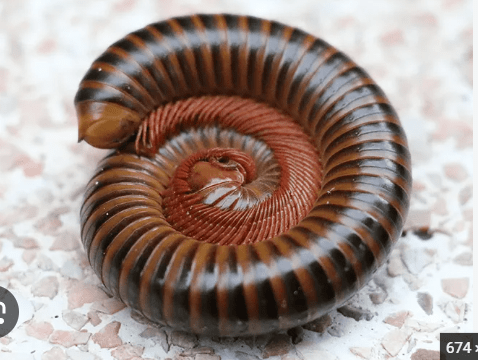
A decomposer!
400
Is this Abiotic or Biotic?

Biotic, because it used to be living!
400
What is an inexhaustible resource?
Resources that will never be used up.
500
Where is this ecosystem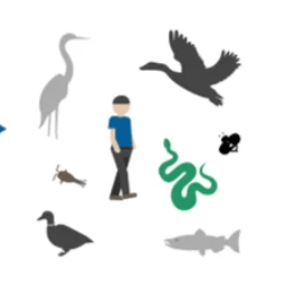 located?
The closest answer wins.
Sacramento CA!
500
Why are decomposers important in an ecosystem?
They break down the dead and decaying things, keeping our environments clean and full of nutrients.
500
What is symbiosis?
Occurs when two different organisms live together, where one or both depend on the other.
500
Provide an example of a renewable, non-renewable, and inexhaustible resource.
answers may vary