Symbiosis
Claim, Evidence, or Reasoning?
Animal Groups
Evidence Time!
True or False?
100
How many organisms benefit in MUTUALISM?
2
100
What is the first part of conducting an argument?
Claim.
100
What is a group of fish called?
A school.
100
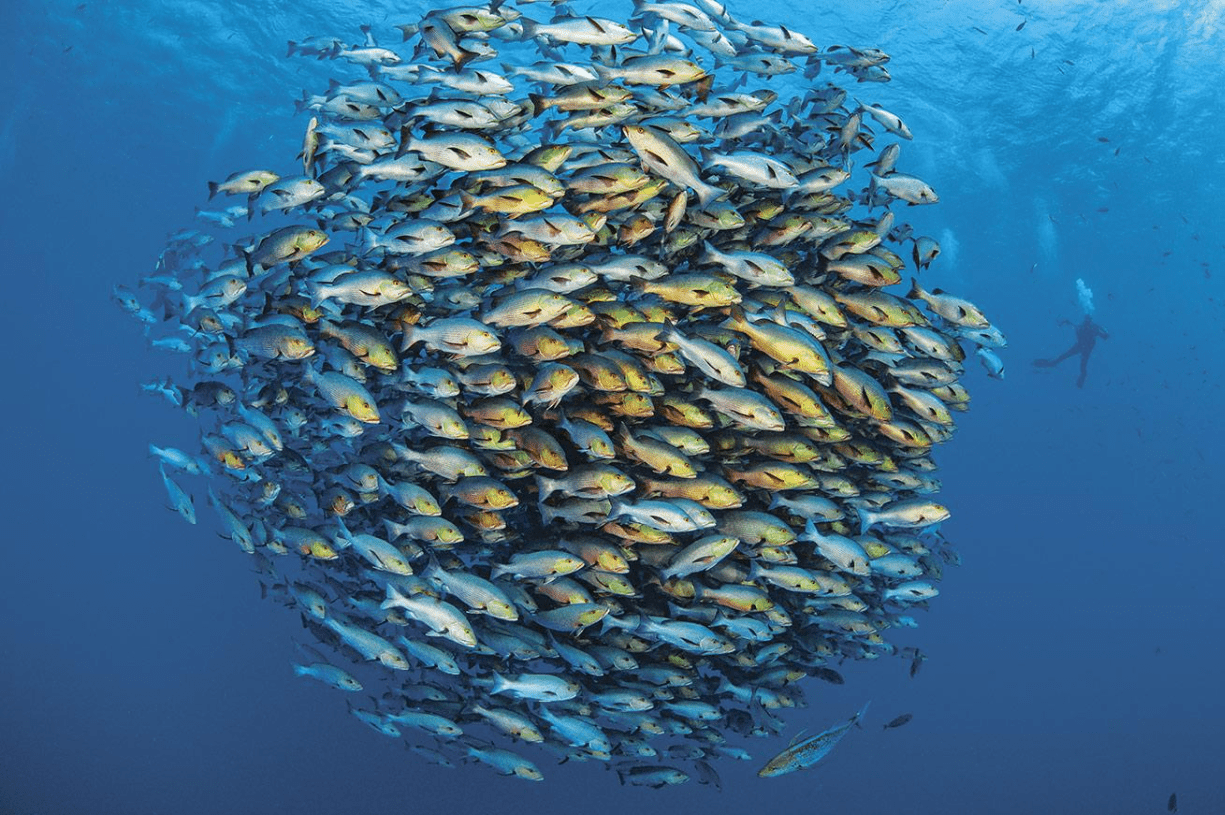
What evidence shows they stay safe in a group?
They swim together.
100
ALL animals in a group get along.
FALSE
200
Bees and Flowers are an example of which symbiosis?
Mutualism because bees get food and flowers get pollinated by bees!!
200
What part explains the WHY?
Reasoning.
200
What do we call a group of wolves?
A pack.
200
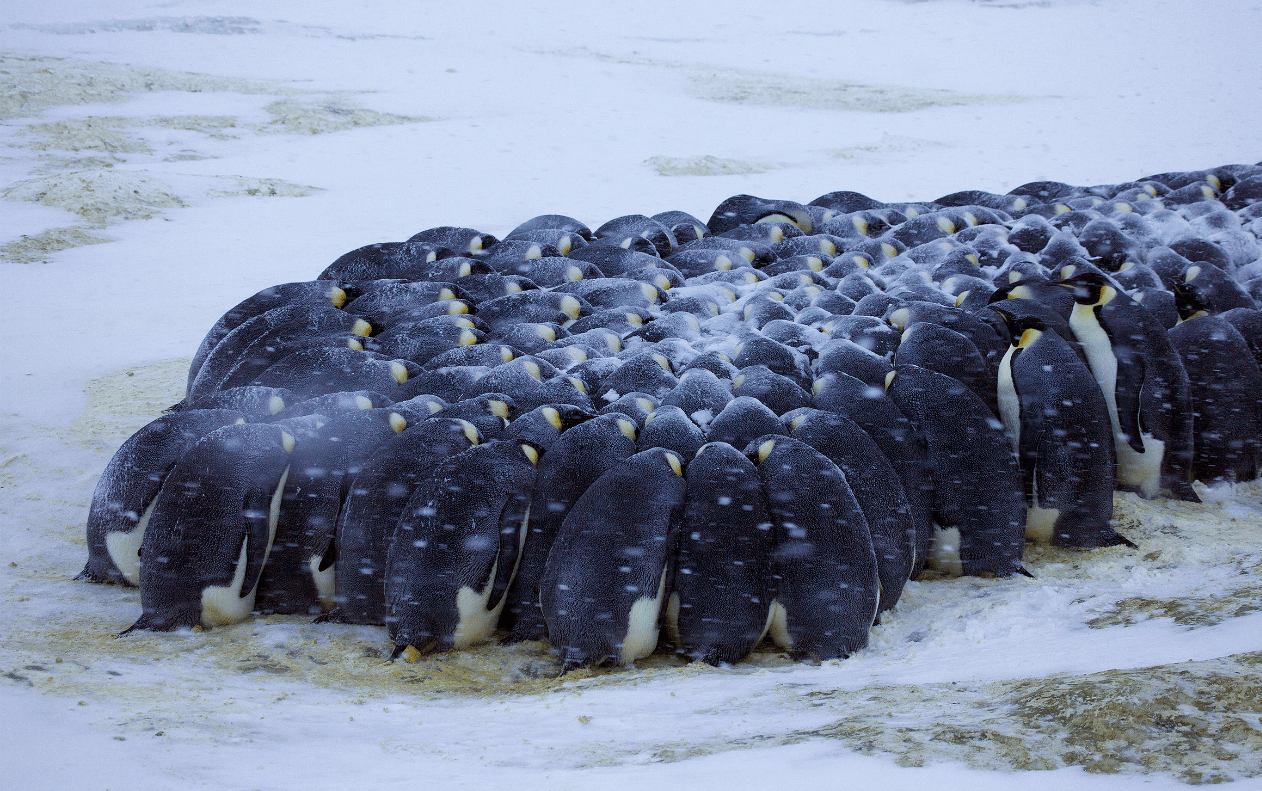 What is your evidence that they stay warm?
They are huddled up/close to each other.
200
Parasites ALWAYS want to kill their hosts.
FALSE
300
Barnacles on whales are an example of what kind of symbiosis?
Commensalism because barnacles get food (plankton) off the whale, and the whale is not harmed or helped.
300
The following is an example of what? "I think penguins huddle to stay warm."
Claim.
300
What kind of animal lives in a hive?
Bees.
300
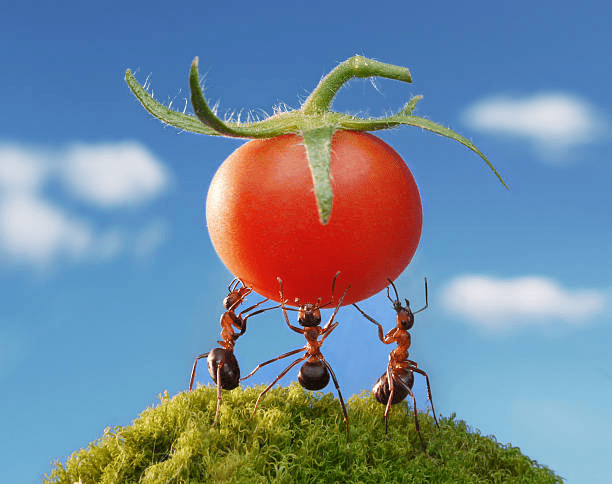
What evidence shows teamwork?
They are carrying the tomato/food together.
300
A herd of zebras can confuse a predator when they are running as a group.
TRUE
400
In parasitism, which organism is the one being harmed? The host or the parasite?
The host
400
"Penguins stand close together in the cold."
Evidence.
400
Name one animal that lives in a herd.
Zebras, cows, sheep, bison, elephants.
400
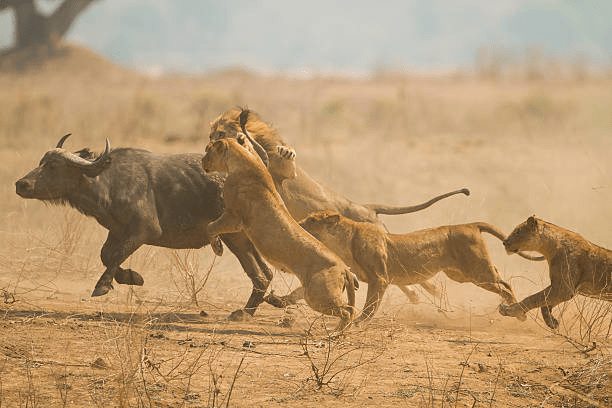 What is happening in this photo?
The lions are hunting as a group, attacking their prey.
400
A strong argument needs a claim, evidence, and reasoning.
TRUE!
500
Give me an example of a parasitism relationship
Fleas and a dog. Humans and mosquitoes. Tapeworms and humans.
500
"The penguins standing close together help them survive because they share heat."
Reasoning.
500
Which animal group is called a "Colony"?
Ants or penguins
500
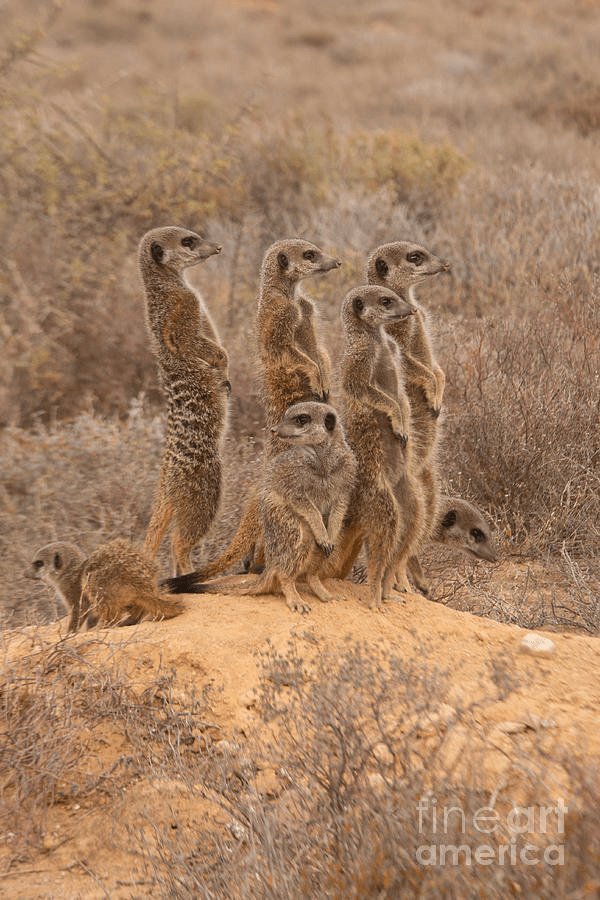 Why do Meerkats watch/look around their surroundings?
To stay safe, protect themselves and their babies.
500
Commensalism means that one organism benefits while the other is neither helped nor harmed.
TRUE.