Elements of Art Pictures
Principles of Design Pictures
Elements of Art Descriptions
Principles of Design Descriptions
Elements AND Principles
100
True or false?
This rock can be an example of texture.

BONUS 100 pts: Why?
TRUE!
"Smooth" is also a texture! A texture doesn't have to be something that is rough, bumpy, fuzzy, etc. Texture refers to the visual "feel" of an artwork, or just in general, the "feel" of something. In this case, the feeling of the rock would be smooth, therefore it would have a smooth texture.
100
What Principle of Design describes these colors?

Contrast, they are contrasting colors.
100
What Element of Art is a mark from one point to another?
Line
100
If I made a triangle shaped design and kept copying and pasting the design throughout my whole artwork, what Principle of Design would I be using?
Repetition/pattern or Rhythm
100
How do the Elements of Art and Principles of Design relate? Or, how do they work together when art making?
The Elements of Art are the "what," and the Principles of Design are the "how."
The elements are the building blocks, you cannot use the principles without the elements
200
This artwork was created mainly by using the element of _____.

Line
200
What Principle of Design could best describe the chick?

Emphasis
200
What element refers to the visible lightness or darkness of a color?
Value
200
What Principle of Design is used when an artist blurs out the background of a photograph and keeps one main object in focus?
Emphasis
200
What 1 Element of Art and 1 Principle of design work best together in this sculpture shown?

Form and Balance
300
What 2 Elements of Art are dominantly depicted here?
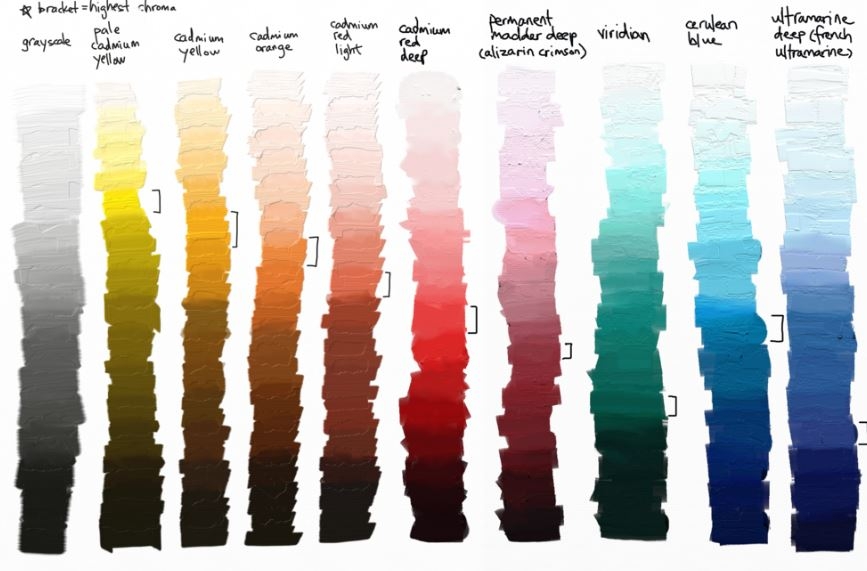
Value and Color
300
 What kind of balance does this painting create?
Asymmetrical balance is a type of "balance" in art. It is asymmetrically balanced because the visual weight is heavy on the left with the roaring wave, but the right side has less going on/is more calm and is pulling your eye off the page.
300
What Element of Art is created when lines connect to create a boundary, thus a 2D ______ is created by that enclosed boundary?
Shape
300
If I can direct how a viewer's eye moves around an image by arranging its elements in a certain way which principal would I be using?
movement
300
What 1 Element of Art and 1 Principle of design work together in this artwork shown?
Value and Contrast
(Value is the element of art, and Contrast is the principle of design)
400
Which Element of Art is best depicted in the entirety of this artwork?
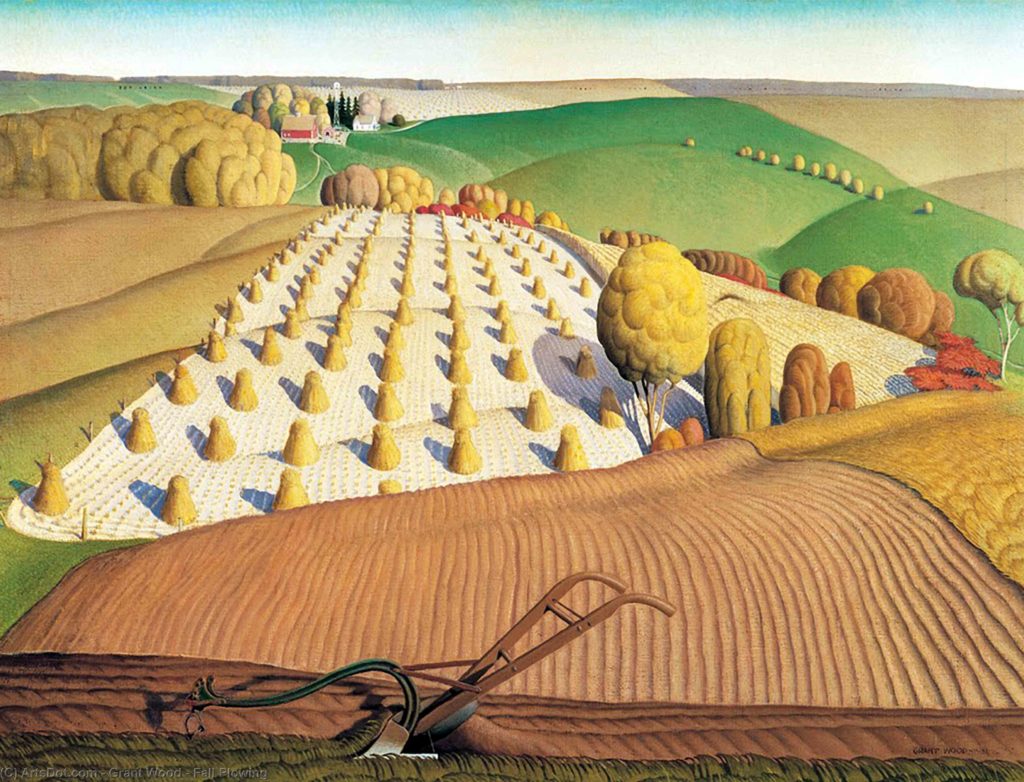
Space
400
What 2 Principles of Design are most dominantly used in this artwork?
Repetition and Pattern
400
What element of Art is the illusion of depth?
Space
400
What Principle of Design is the distribution of visual weight of elements in an art work?
Balance
400
What Principle of Design that was used, gives you the idea that the dog is shaking off water?
What Element of Art was used creatively to demonstrate that there is water on the dog?
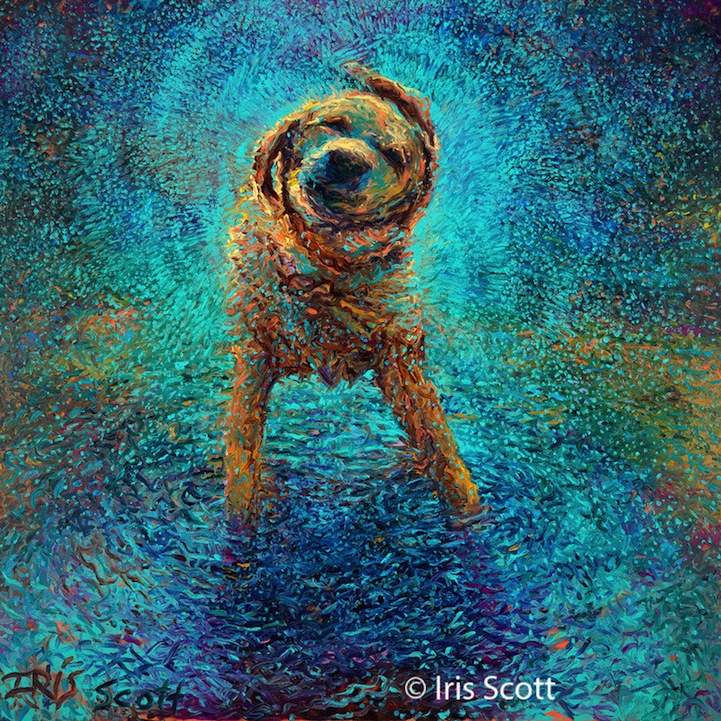
Movement
Color
500
How many Elements of Art are in this artwork/design, and what are they?
ALL 7!
Line, Shape, Form, Space, Texture, Value, Color
500
What Principle of Design is most dominantly used in this artwork? Do you know what type of symmetry is occurring?

Balance
Radial
500
What Element of Art turns into "shape" when you take away dimension?
form
500
What is the size of an artwork in relation to us as humans/the audience? AND
What is the relationship of the size(s) of the objects within an artwork?
Scale
Proportion
500
Name the most dominant Elements of Art and Principles of Design used in this photograph.
Elements of Art: Line (optional), Texture (optional), Value (optional), Color, Space
Principles of Design: Repetition/Pattern, Balance, Emphasis, Unity