DM & Hypoglycemia
DM &Hypoglycemia 2
Thyroid Disorders
Bone/Calcium disorders
Reproduction
Disorders
Disorders
Lipids, Obesity & Nutrition
Pituitary Disorders
Adrenal Disorders
100
A 26-year-old man with a 5-year history of type 1 diabetes mellitus is referred because he is interested in an insulin pump. He travels often for work, and he has an erratic eating schedule. However, he has good glycemic control, and he no longer wants to be on multiple daily injections. His current insulin regimen consists of insulin glargine, 22 units at bedtime, and insulin lispro, 6 units with each meal (total daily insulin dose: 40 units). Self-monitoring of blood glucose shows values ranging between 80 and 130 mg/dL (4.4-7.2 mmol/L). He rarely has hypoglycemic events. A recent hemoglobin A1c measurement is 6.9% (4.0%-5.6%) (52 mmol/mol [20-38 mmol/mol]).
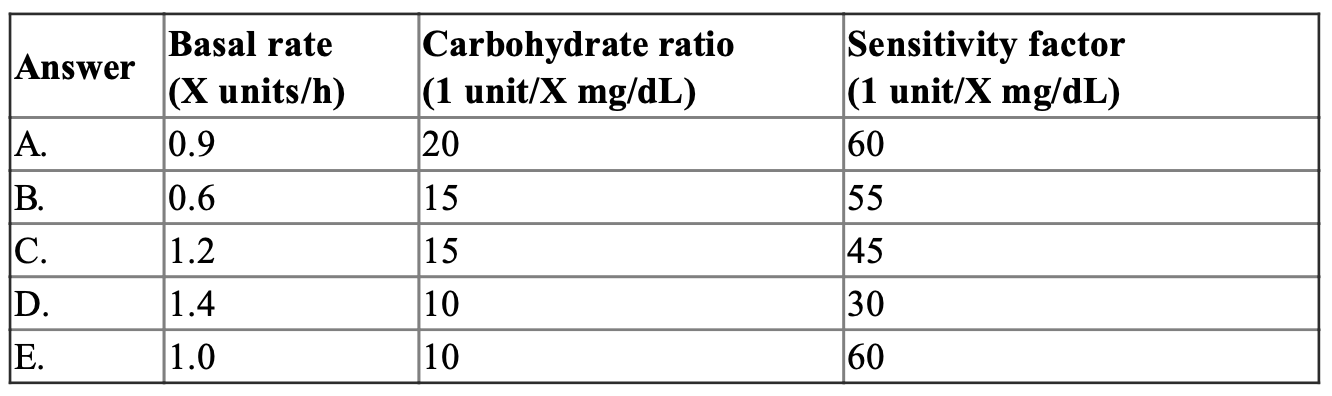
Which of the following should be the initial parameters for insulin pump therapy? (see table)
A. Answer A
B. Answer B
C. Answer C
D. Answer D
E. Answer E
B. Answer B
100
A 43-year-old woman presents for follow-up of type 2 diabetes mellitus diagnosed 3 months ago. At diagnosis, her hemoglobin A1c value
was 8.7% (72 mmol/mol). Her BMI at that time was 35 kg/m2. She enrolled in a commercial weight-loss program with prepackaged meals and is exercising 5 days a week. She has lost 10 lb (4.5 kg). She is taking metformin monotherapy, 1500 mg daily.
Laboratory test results from today’s visit:
Hemoglobin A1c = 7.9% (4.0%-5.6%) (63 mmol/mol [20-38 mmol/mol])
Fasting blood glucose = 146 mg/dL (70-99 mg/dL) (SI: 8.1 mmol/L [3.9-5.5 mmol/L])
Which of the following is the best next step to improve her glycemic control?
A. Continue metformin; add dulaglutide
B. Continue metformin; add sitagliptin
C. Increase the metformin dosage
D. Stop metformin; begin empagliflozin
E. Stop metformin; begin insulin glargine
A. Continue metformin; add dulaglutide
100
A 37-year-old woman who is having difficulty losing weight is referred for abnormal thyroid function test results. She is otherwise asymptomatic and takes no medications. Her mother has hypothyroidism. On physical examination, her pulse rate is 86 beats/min. Her thyroid is slightly enlarged without nodules or bruit, there is no tremor, and deep tendon reflexes are normal.
Laboratory test results:
TSH = 0.12 mIU/L (0.5-5.0 mIU/L)
Free T4 = 1.7 ng/dL (0.8-1.8 ng/mL) (SI: 21.9 pmol/L [10.30-23.17 pmol/L])
Total T3 = 154 ng/dL (70-200 ng/dL) (SI: 2.4 nmol/L [1.08-3.08 nmol/L]) Thyroid-stimulating immunoglobulin = 124% (normal ≤120%)
Which of the following is the best next step in this patient's management?
A. Repeat laboratory tests in 3 months
B. Start an iodine-containing multivitamin
C. Start atenolol, 50 mg daily
D. Start methimazole, 20 mg daily
E. Treat with radioiodine therapy
A. Repeat laboratory tests in 3 months
100
A 45-year-old woman presents with bilateral hip pain and the radiographic findings shown (see image). She underwent Roux-en-Y gastric bypass surgery for obesity 3 years ago and has lost more than 100 lb (45.5 kg).
Laboratory test results:
Serum calcium = 8.2 mg/dL (8.2-10.2 mg/dL) (SI: 2.1 mmol/L [2.1-2.6 mmol/L]) Phosphate = 2.2 mg/dL (2.3-4.7 mg/dL) (SI: 0.7 mmol/L [0.7-1.5 mmol/L])
Creatinine = 0.9 mg/dL (0.6-1.1 mg/dL) (SI: 79.6 μmol/L [53.0-97.2 μmol/L])
Serum alkaline phosphatase = 346 U/L (50-120 U/L) (SI: 5.78 μkat/L [0.84-2.00 μkat/L])
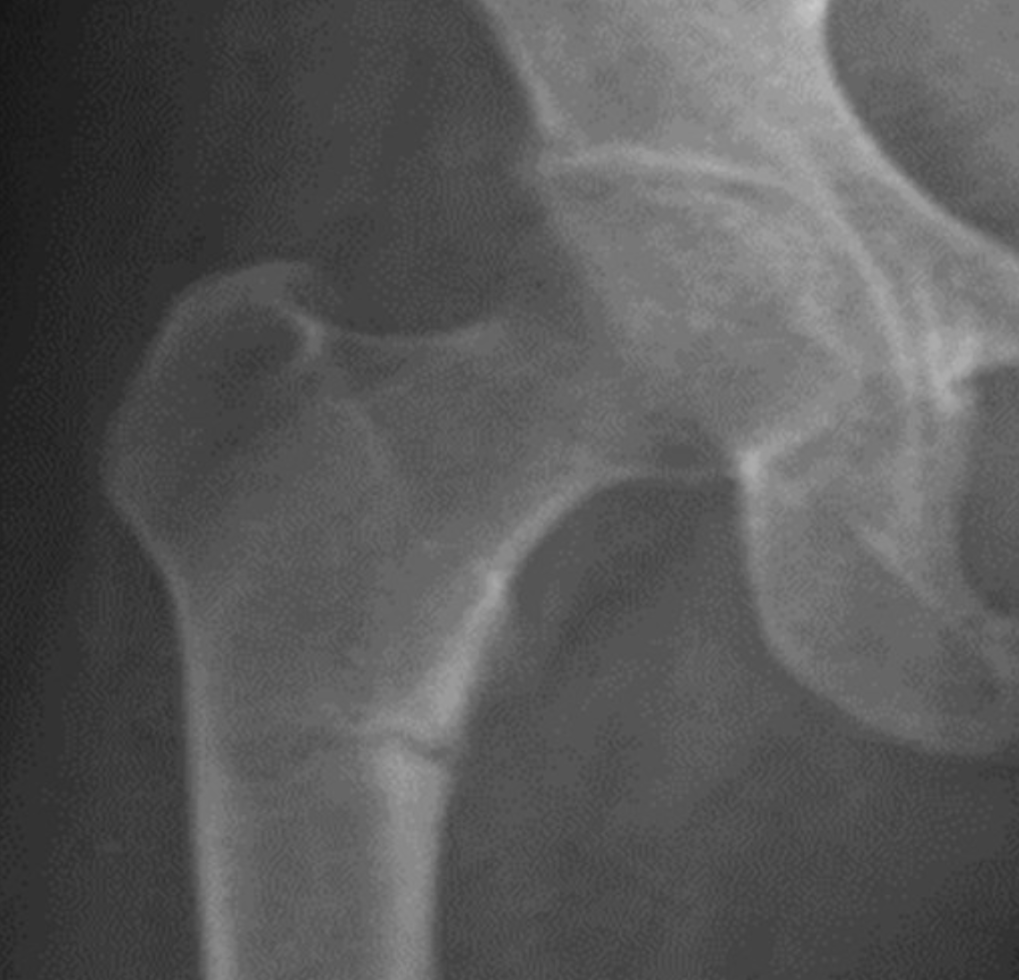
Measurement of which of the following is most likely to provide this patient’s diagnosis?
A. C-telopeptide
B. 1,25-Dihydroxyvitamin D
C. FGF-23
D. 25-Hydroxyvitamin D
E. Intact PTH
D. 25-Hydroxyvitamin D
100
A 41-year-old woman seeks advice on treatment of intractable hot flashes. Six months ago, she underwent total abdominal hysterectomy and bilateral salpingo-oophorectomy for a history of leiomyomata. Since her surgery, the hot flashes have become severe and occur during the day and night. They wake her from sleep and disrupt her daily schedule. These symptoms are accompanied by vaginal dryness and low libido. She is otherwise in excellent health and has no personal or family history of breast cancer, no history of venous thromboembolism or cardiovascular disease, and takes no medications.
Which of the following should be suggested for her hot flashes?
A. Gabapentin
B. Low-dosage oral contraceptives
C. Oral 17β-estradiol
D. Venlafaxine
C. Oral 17β-estradiol
100
A 56-year-old woman with hypertension, hypercholesterolemia, chronic kidney disease, and obstructive sleep apnea seeks assistance with weight loss. About 14 years ago, she started gaining weight. At that time, she was involved in a motor vehicle crash and was unable to ambulate for 6 months. The patient has not followed any commercial weight-loss programs, but she has tried diets on her own. She is able to adhere to a meal plan for a few weeks, but then she becomes bored of eating the same foods, due to the restriction in macronutrient composition in the meal plans she has tried. She would like to follow a long-term program. On a typical day, breakfast is an English muffin with bacon and egg, lunch is either fried chicken and a salad with ranch dressing or a cheeseburger with French fries, and dinner is meat with 2 sides (eg, macaroni and cheese and green beans). She eats out 3 nights a week. She reports eating large portions. She drinks sugar-free beverages only.
Physical examination findings are normal other than a BMI of 44.6 kg/m2 (height is 63.5 in [161.3 cm], and weight is 256 lb [116.1 kg]).
Laboratory test results:
Creatinine = 1.6 mg/dL (0.6-1.1 mg/dL) (SI: 141.4 μmol/L [53.0-97.2 μmol/L])
Estimated glomerular filtration rate = 36 mL/min per 1.73 m2 (>60 mL/min per 1.73 m2) TSH = 1.5 mIU/L (0.5-5.0 mIU/L)
Total cholesterol = 215 mg/dL (<200 mg/dL [optimal]) (SI: 5.57 mmol/L [<5.18 mmol/L]) Triglycerides = 146 mg/dL (<150 mg/dL [optimal]) (SI: 1.65 mmol/L [<1.70 mmol/L]) HDL-cholesterol = 41 mg/dL (>60 mg/dL [optimal]) (SI: 1.06 mmol/L [>1.55 mmol/L]) LDL-cholesterol =145 mg/dL (<100 mg/dL [optimal]) (SI: 3.76 mmol/L [<2.59 mmol/L])
Which of the following dietary plans would be best for this patient?
A. High-protein diet (1 g/kg)
B. Ketogenic diet
C. Low-calorie diet (1200 calories per day)
D. Low-fat diet (<30% of daily calories)
E. Very low-calorie diet (<800 calories per day)
C. Low-calorie diet (1200 calories per day)
100
A 33-year-old woman seeks evaluation for a 2-year history of progressive weight gain, hirsutism, irregular menses, and uncontrolled hypertension. Her medications include an oral contraceptive (ethinyl estradiol and drospirenone); sertraline, 100 mg daily; lisinopril, 40 mg daily; nifedipine, 120 mg daily; and omeprazole, 20 mg daily.
On physical examination, she has facial plethora, supraclavicular fat pads, 1- to 2-cm purple striae on the abdomen and upper arms, central obesity, and proximal muscle weakness.
Laboratory test results:
Serum cortisol after 1 mg of dexamethasone = 25 μg/dL (SI: 690 nmol/L) (dexamethasone concentration = 300 ng/dL) Plasma ACTH = 188 pg/mL (10-60 pg/mL) (SI: 41.4 pmol/L [2.2-13.2 pmol/L])
Late-night salivary cortisol = 0.42 μg/dL (<0.13 μg/dL) (SI: 11.6 nmol/L [<3.6 nmol/L])
Repeat late-night salivary cortisol = 0.48 μg/dL (<0.13 μg/dL) (SI: 13.2 nmol/L [<3.6 nmol/L])
Serum glucose = 118 mg/dL (70-99 mg/dL) (SI: 6.5 mmol/L [3.9-5.5 mmol/L])
MRI of the pituitary without and with contrast shows an irregular 2-mm area of delayed contrast enhancement on the right side of the pituitary gland found only on the dynamic scans, which the radiology report describes as “consistent with pituitary adenoma.”
Which of the following is the best next step in this patient’s management?
A. Measure 24-hour urinary free cortisol excretion
B. Refer for inferior petrosal sinus sampling
C. Refer for pituitary surgery
D. Start mifepristone, 300 mg daily
E. Stop the contraceptive for 6 weeks and repeat the dexamethasone-suppression test
B. Refer for inferior petrosal sinus sampling
100
A general surgeon requests evaluation of a 68-year-old woman for adrenal insufficiency. The patient had a left hemicolectomy for colon cancer. Preoperatively, the patient received a high dose of dexamethasone and intravenous etomidate for intubation. During surgery, she received dexamethasone. Overnight, she had episodes of hypotension with blood pressure as low as 90/50 mm Hg (baseline blood pressure is 130/80 mm Hg), mild fever, tachycardia (110 beats/min), and increased output through her colostomy. She was treated with intravenous fluids and 50 mg of tramadol. She developed mild hyponatremia, and a morning cortisol concentration was documented to be 0.9 μg/dL (24.8 nmol/L).
She has a diagnosis of mild hypertension and diet-controlled diabetes (most recent hemoglobin A1c = 6.8% [51 mmol/mol]). She is resting comfortably, does not have nausea, and would like to eat.
On physical examination, she has obesity (BMI = 32 kg/m2) and does not appear ill. Her blood pressure is 124/85 mm Hg, and pulse rate is 90 beats/min.
Results of her most recent basic metabolic profile:
Sodium = 133 mEq/L (136-142 mEq/L) (SI: 133 mmol/L [136-142 mmol/L]) Potassium = 3.8 mEq/L (3.5-5.0 mEq/L) (SI: 3.8 mmol/L [3.5-5.0 mmol/L])
Glucose = 168 mg/dL (70-99 mg/dL) (SI: 9.3 mmol/L [3.9-5.5 mmol/L])
Serum creatinine = 0.7 mg/dL (0.6-1.1 mg/dL) (SI: 61.9 μmol/L [53.0-97.2 μmol/L])
Which of the following is the most likely cause for the low cortisol concentration?
A. Delayed effect of inhaled anesthetics
B. Medication given as a prophylaxis for postoperative nausea
C. Metastasis from the colon cancer
D. Overnight use of tramadol
E. Primary autoimmune adrenal insufficiency
B. Medication given as a prophylaxis for postoperative nausea
200
Diabetes mellitus was recently diagnosed in a 56-year-old woman when she was found to have a fasting plasma glucose concentration of 147 mg/dL (8.2 mmol/L) at her annual physical examination. She has no symptoms of hyperglycemia.
Other abnormal laboratory values:
AST = 119 U/L (20-48 U/L) (SI: 2.0 μkat/L [0.33-0.80 μkat/L])
ALT = 134 U/L (10-40 U/L) (SI: 2.2 μkat/L [0.17-0.67 μkat/L]) Hemoglobin A1c = 6.9% (4.0%-5.6%) (52 mmol/mol [20-38 mmol/mol])
She has no family history of diabetes. Several of her relatives have had liver disease, but she does not know the cause. She has had oligomenorrhea for several years and has not had a period for more than 4 months.
On physical examination, she has a slightly enlarged, nontender liver. There is no ascites or other signs of chronic liver disease, and she does not have pedal edema. Liver ultrasonography shows a mildly enlarged liver without masses, no evidence of steatosis, and no biliary disease. Hepatitis (A, B, C) serologies are negative.
Which of the following tests is most likely to reveal the etiology of her diabetes?
A. HNF1A genetic testing
B. Mitochondrial antibody titers
C. Serum ceruloplasmin measurement
D. Transferrin saturation
E. Zinc transporter 8 (ZnT8) antibody measurement
D. Transferrin saturation
200
A 72-year-old homeless man is admitted to the hospital with severe hypoglycemia. He was found unconscious on the street; when brought to the emergency department, his glucose fingerstick concentration was 36 mg/dL (2.0 mmol/L). Blood was drawn, and intravenous dextrose was administered immediately.
His medical history is unknown, and it is not clear whether he is taking any medications.
Laboratory results:
Plasma glucose = 42 mg/dL (70-99 mg/dL) (SI: 2.3 mmol/L [3.9-5.5 mmol/L])
Plasma insulin = 35.0 μIU/mL (1.4-14.0 μIU/mL) (SI: 243.1 pmol/L [9.7-97.2 pmol/L]) Plasma C-peptide = 1.2 ng/mL (0.9-4.3 ng/mL) (SI: 0.40 nmol/L [0.30-1.42 nmol/L]) Plasma proinsulin = 88.2 pg/mL (26.5-176.4 pg/mL) (SI: 10.0 pmol/L [3.0-20.0 pmol/L]) Plasma β-hydroxybutyrate = 12.5 mg/dL (<3.0 mg/dL) (SI: 1201 μmol/L [<288 μmol/L]) Insulin antibodies, negative
Estimated glomerular filtration rate = 85 mL/min per 1.73 m2 (>60 mL/min per 1.73 m2) TSH = 2.5 mIU/L (0.5-5.0 mIU/L)
Which of the following most likely explains this patient’s laboratory findings?
A. Adrenal insufficiency
B. Glipizide
C. Hepatic failure
D. IGF-2–secreting tumor
E. NPH insulin
B. Glipizide
200
A 38-year-old woman with a history of a 3.0-cm papillary thyroid cancer treated 2 years ago with thyroidectomy and radioiodine ablation is referred for follow-up.
Physical examination reveals a 1.5-cm level 3 lymph node on the left side of the neck.
Neck ultrasonography shows bilateral cervical adenopathy. Her serum thyroglobulin concentration is 3.2 ng/mL (3.2 μg/L) at baseline, and it rises to 19.2 ng/mL (19.2 μg/L) after recombinant human TSH. Her whole-body scan, however, is negative. PET-CT shows uptake in the neck corresponding to the palpable lymph node, but FNA biopsy shows only reactive changes.
Which of the following is the best next step in this patient’s management?
A. FNA biopsy again and measurement of thyroglobulin in aspirate
B. Left lateral radical neck dissection
C. MRI of the neck
D. PET-CT after recombinant human TSH
E. Surveillance testing again in 1 year
A. FNA biopsy again and measurement of thyroglobulin in aspirate
200
A 28-year-old man is referred for evaluation of hypercalcemia. He has had multiple episodes of kidney stones over the past 4 years. His dietary calcium intake is approximately 600 mg daily, and he does not take any calcium or vitamin D supplements. He has no history of fragility fractures or thyroid disease. He has an older brother who was diagnosed with peptic ulcer disease.
His physical examination findings are unremarkable.
Laboratory test results:
Serum calcium = 13.2 mg/dL (8.2-10.2 mg/dL) (SI: 3.3 mmol/L [2.1-2.6 mmol/L]) Serum phosphate = 2.1 mg/dL (2.3-4.7 mg/dL) (SI: 0.7 mmol/L [0.7-1.5 mmol/L]) Serum creatinine = 1.1 mg/dL (0.7-1.3 mg/dL) (SI: 97.2 μmol/L [61.9-114.9 μmol/L]) Serum intact PTH = 307 pg/mL (10-65 pg/mL) (SI: 307 ng/L [10-65 ng/L])
Serum 25-hydroxyvitamin D = 26 ng/mL (30-80 ng/mL [optimal]) (SI: 64.9 nmol/L [74.9-199.7 nmol/L]) Serum albumin = 4.2 g/dL (3.5-5.0 g/dL) (SI: 42 g/L [35-50 g/L])
Urinary calcium = 310 mg/24 h (100-300 mg/24 h) (SI: 7.5 mmol/d [2.5-7.5 mmol/d])
A pathogenic variant in which of the following genes most likely explains this patient’s clinical presentation?
A. CASR
B. CDC73
C. RET
D. MEN1
E. VDR
D. MEN1
200
A 30-year-old transgender man (assigned female at birth) is referred to start gender-affirming hormonal therapy (testosterone). Treatment goals and expectations are reviewed, as well as the risks and benefits of therapy and the potential impact on future fertility. He has obesity (BMI = 32 kg/m2), but he has no history of hypertension, dyslipidemia, type 2 diabetes mellitus, or venous thromboembolism. Testosterone cypionate, 200 mg intramuscularly every 2 weeks, is prescribed.
Which of the following clinical changes is he most likely to experience in the first 6 months of hormone therapy?
A. Breast growth
B. Deepening of the voice
C. Increased muscle strength
D. More oily skin
E. Weight loss
D. More oily skin
200
A 21-year-old previously healthy man is referred after a recent hospitalization for acute pancreatitis. He developed sudden-onset upper abdominal pain after a large meal, and on presentation to the hospital he was found to have an elevated lipase concentration and a triglyceride concentration of 4100 mg/dL (46.33 mmol/L). Abdominal CT confirmed pancreatitis and also revealed hepatosplenomegaly. He reports a 12-lb (5.5-kg) weight gain over the past year as a junior in college. He does not smoke cigarettes or consume alcoholic beverages. His medical history is notable for markedly elevated triglycerides detected at age 8 years (up to 4250 mg/dL [48.03 mmol/L]) after frequent unexplained episodes of upper abdominal pain, and he saw a pediatric lipidologist who recommended a very low-fat diet at that time. His family history is unremarkable for cardiovascular disease or pancreatitis; both parents are alive and well. He has a 23-year- old sister who is healthy.
On physical examination, his blood pressure is 129/86 mm Hg and pulse rate is 65 beats/min. His height is 72 in (183 cm), and weight is
170 lb (77.3 kg) (BMI = 23.1 kg/m2). There are no xanthomas. Acanthosis nigricans is noted on the neck and in the axillae. The liver edge is palpable.
Laboratory test results (sample drawn while fasting, on no treatment):
Total cholesterol = 494 mg/dL (<200 mg/dL [optimal]) (SI: 12.79 mmol/L [<5.18 mmol/L]) Triglycerides = 3198 mg/dL (<150 mg/dL [optimal]) (SI: 36.14 mmol/L [<1.70 mmol/L]) HDL cholesterol = 17 mg/dL (>60 mg/dL [optimal]) (SI: 0.44 mmol/L [>1.55 mmol/L]) LDL cholesterol, unable to calculate
Non-HDL cholesterol = 477 mg/dL (<130 mg/dL [optimal]) (SI: 12.35 mmol/L [<3.37 mmol/L]) Apolipoprotein B = 63 mg/dL (50-110 mg/dL) (SI: 0.63 g/dL [0.5-1.1 g/dL])
Lipoprotein (a) = 3 mg/dL (≤30 mg/dL) (SI: 0.11 μmol/L [≤1.07 μmol/L])
Hemoglobin A1c = 4.4% (4.0%-5.6%) (25 mmol/mol [20-38 mmol/mol])
Creatinine = 0.64 mg/dL (0.7-1.3 mg/dL) (SI: 56.6 μmol/L [61.9-114.9 μmol/L])
TSH = 1.8 mIU/L (0.5-5.0 mIU/L)
Fasting plasma glucose = 83 mg/dL (70-99 mg/dL) (SI: 4.6 mmol/L [3.9-5.5 mmol/L])
A pathogenic variant in the gene encoding which of the following proteins is most likely responsible for this clinical scenario?
A. Apolipoprotein A-1
B. Apolipoprotein B
C. Apolipoprotein E
D. LDL receptor
E. Lipoprotein lipase
E. Lipoprotein lipase
200
A 68-year-old man with metastatic melanoma being treated with chemotherapy and glucocorticoids is admitted to the hospital with lethargy, altered mental status, and hypotension. He takes levothyroxine for iatrogenic hypothyroidism (thyroidectomy was performed to treat thyroid cancer many years ago). In addition to melanoma therapy, medications include iron for anemia.
On physical examination, his blood pressure is 90/60 mm Hg and pulse rate is 98 beats/min. He is confused.
Laboratory test results:
Cortisol (8 AM) = 0.9 μg/dL (2-14 μg/dL) (SI: 24.8 nmol/L [55.2-386.2 nmol/L]) ACTH = <5 pg/mL (10-60 pg/mL) (<1.1 pmol/L [2.2-13.2 pmol/L])
Testosterone = 23 ng/dL (300-900 ng/dL) (SI: 0.8 nmol/L [10.4-31.2 nmol/L]) LH = 0.3 mIU/mL (1.0-9.0 mIU/L) (SI: 0.3 IU/L [1.0-9.0 IU/L])
FSH = 2.0 mIU/mL (1.0-13.0 mIU/L) (SI: 2.0 IU/L [1.0-13.0 IU/L])
IGF-1 = 35 ng/mL (67-195 ng/mL) (SI: 4.6 nmol/L [8.8-25.5 nmol/L]) Prolactin = 0.8 ng/mL (4-23 ng/mL) (SI: 0.03 nmol/L [0.17-1.00 nmol/L]) TSH = 0.2 mIU/L (0.5-5.0 mIU/L)
Free T4 = 0.6 ng/dL (0.8-1.8 ng/dL) (SI: 7.7 pmol/L [10.30-23.17 pmol/L])
MRI shows homogeneous enlargement of the pituitary and stalk that was not present on MRI 2 months ago.
Which of the following medications is the most likely cause of these pituitary abnormalities?
A. Ipilimumab
B. Iron administration
C. Prednisone
D. Sunitinib
E. Temozolomide
A. Ipilimumab
200
A 71-year-old man is evaluated for treatment-resistant hypertension. He has elevated blood pressure despite the use of 3 antihypertensive medications. He has no palpitations, sweating, anxiety, headaches, episodic symptoms, or spells.
Laboratory test results:
ACTH (8 AM) = 17 pg/mL (10-60 pg/mL) (SI: 3.7 pmol/L [2.2-13.2 pmol/L])
Cortisol (8 AM) = 19.7 μg/dL (5-25 μg/dL) (SI: 543.5 nmol/L [137.9-689.7 nmol/L]) Aldosterone = 9 ng/dL (4-21 ng/dL) (SI: 249.7 pmol/L [111.0-582.5 pmol/L])
Plasma renin activity = 1.4 ng/mL per h (0.6-4.3 ng/mL per h)
Plasma normetanephrine = 978 pg/mL (<165 pg/mL) (SI: 5.33 nmol/L [<0.90 nmol/L]) Plasma metanephrine = 835 pg/mL (<99 pg/mL) (SI: 4.23 nmol/L [<0.50 nmol/L]) Urinary free cortisol = 29 μg/24 h (<4-50 μg/24 h) (SI: 80 nmol/d [11-138 nmol/d]) DHEA-S = 20.7 μg/dL (25-131 μg/dL) (SI: 0.56 μmol/L [0.68-3.55 μmol/L])
Abdominal CT reveals bilateral adrenal masses (see image, arrows). The 6.8 x 5.3 x 6.7-cm left adrenal mass is described as having an unenhanced attenuation of 33.5 Hounsfield units. Following contrast administration and a 15-minute washout period, there is 45% absolute washout and 24% relative washout. The 2.3 x 1.8 x 1.4-cm right adrenal mass is described as having an unenhanced attenuation of –15 Hounsfield units. Following contrast administration and a 15-minute washout period, there is 63% absolute washout and 75% relative washout.
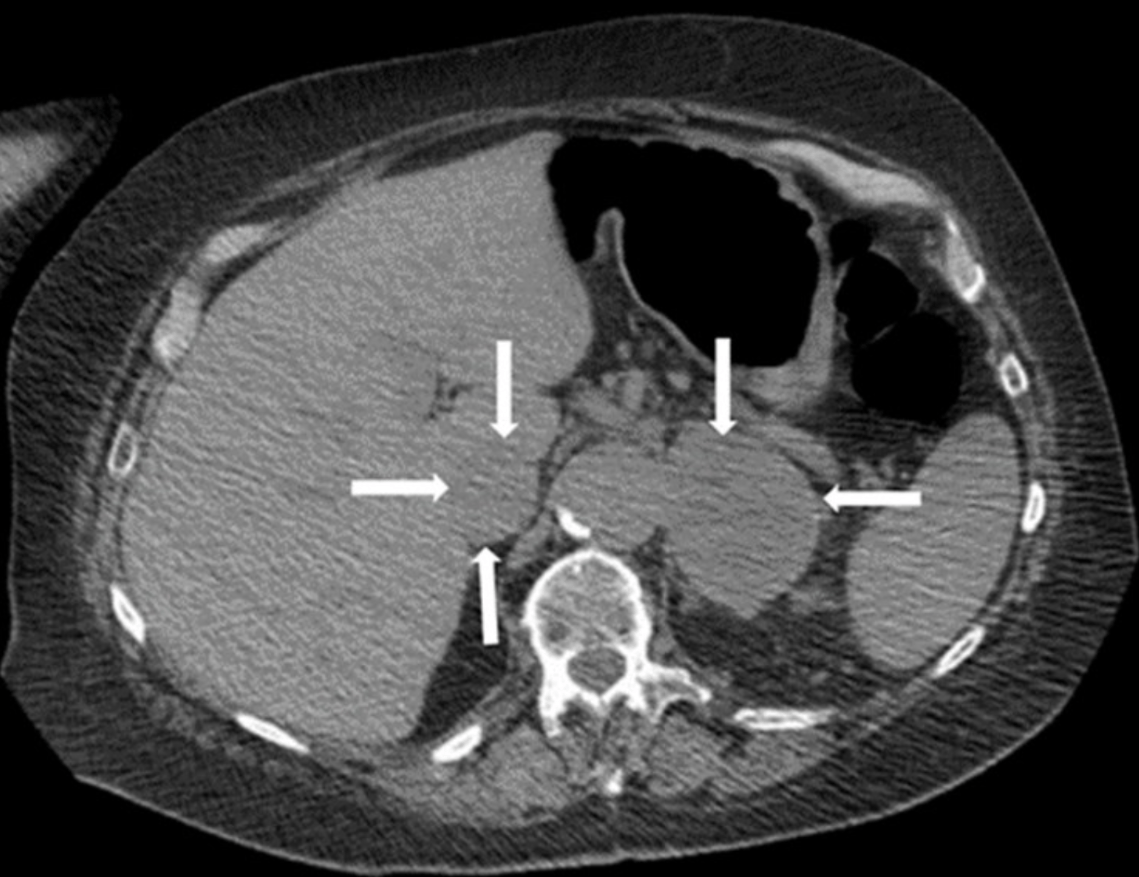
Which of the following is the most appropriate recommendation?
A. Bilateral adrenalectomy
B. Biopsy of the right adrenal mass
C. Left adrenalectomy
D. Repeated imaging in 3 months
E. Right adrenalectomy
C. Left adrenalectomy
300
A 26-year-old woman with an 8-year history of type 1 diabetes is now 6 weeks pregnant. Her most recent hemoglobin A1c measurement
is 6.6% (49 mmol/mol). She takes insulin detemir 10 units twice daily and insulin aspart immediately before meals based on an insulin-to- carbohydrate ratio of 1:12 and a correction factor of 1:30, with a target glucose value of 90 mg/dL (5.0 mmol/L). Her blood glucose log for the past few days is shown (see table).
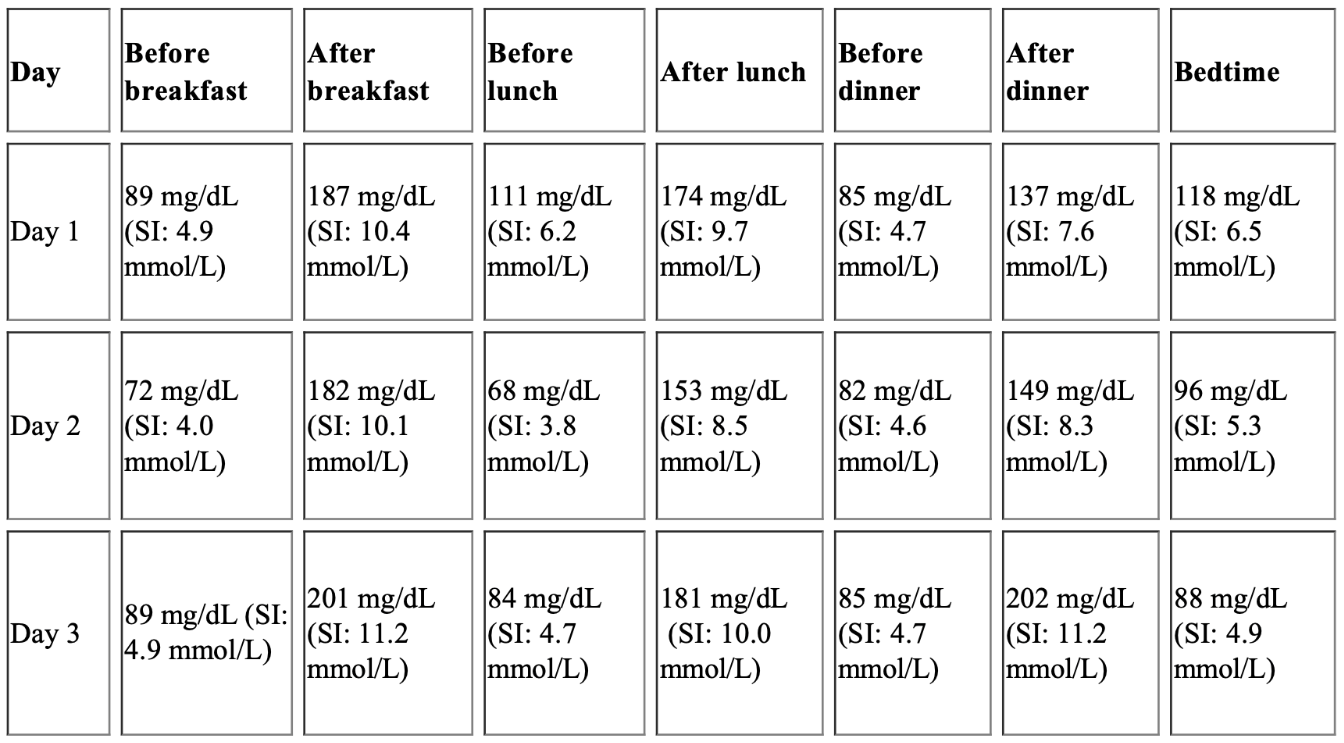
Which of the following changes should be recommended?
A. Allow 15 minutes between the bolus and the meal
B. Change the correction factor to 1:20
C. Change the insulin-to-carbohydrate ratio to 1:15
D. Continue the same regimen
E. Increase the dosage of insulin detemir to 12 units twice daily
A. Allow 15 minutes between the bolus and the meal
300
A patient with a 10-year history of type 2 diabetes mellitus calls to say he has had higher than expected morning blood glucose values (150-169 mg/dL [8.3-9.4 mmol/L]) for the past 4 days. His treatment regimen was recently changed from insulin glargine, 16 units daily, to NPH insulin, 10 units twice daily, as he lost his health insurance and could not afford insulin glargine. He also takes glimepiride and metformin. He notes that the NPH insulin appears cloudy and has some sediment at the bottom; he asks what to do.
Which of the following is the best next step in this patient’s management?
A. Increase the evening insulin dose to 18 units
B. Return the insulin bottle to the pharmacy and get a new one
C. Roll the insulin bottle between his hands until it is uniformly cloudy, then inject usual dose
D. Shake the insulin bottle until it is clear, then inject the usual dose
E. Store the insulin bottle in the refrigerator between uses
C. Roll the insulin bottle between his hands until it is uniformly cloudy, then inject usual dose
300
A 62-year-old woman with weight gain and fatigue is found by her primary care physician to have an elevated serum TSH concentration. Levothyroxine is prescribed without the patient experiencing any symptom resolution. Based on her primary care physician’s concern about her unanticipated biochemical response to treatment, she is referred for assistance in managing levothyroxine replacement therapy. In addition to levothyroxine, she takes calcium and a multivitamin with iron.
On physical examination, her pulse rate is 80 beats/min, she has no goiter or thyroidectomy scar, and her deep tendon reflexes are normal. Serial thyroid function test results and levothyroxine dosing are shown (see table).
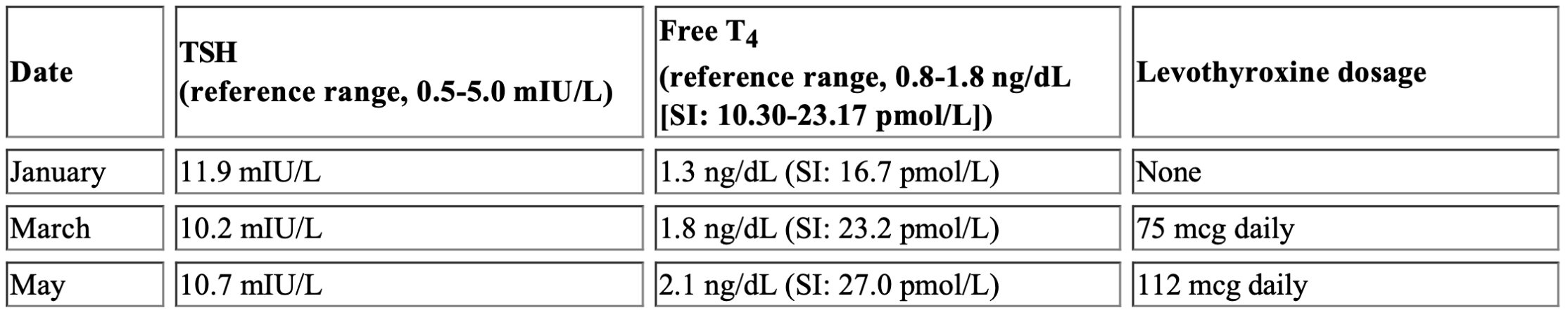
Which of the following is the most likely explanation for these findings?
A. Heterophilic antibody interference with the TSH assay
B. Poor absorption of levothyroxine
C. Poor adherence to therapy
D. Resistance to thyroid hormone
E. TSH-secreting pituitary adenoma
A. Heterophilic antibody interference with the TSH assay
300
A 45-year-old woman seeks evaluation for hypercalcemia after her calcium concentration was documented to be 11.1 mg/dL (2.8 mmol/L) 4 weeks ago. She was well until 6 months ago when she noted the gradual onset of fatigue and increased thirst and polyuria. She has no relevant clinical history except for hyperlipidemia treated with atorvastatin. She has no personal or family history of low- trauma fractures, calcium disorders, or nephrolithiasis. Until her calcium was noted to be elevated, she was also taking 1000 units of vitamin D daily, which she has stopped. She takes no calcium supplementation.
Physical examination findings are normal, including no evidence of significant height loss since young adulthood, normal spinal curvature, and normal findings on respiratory and skin examinations.
Laboratory test results:
Corrected serum calcium = 10.7 mg/dL (8.2-10.2 mg/dL (SI: 2.7 mmol/L [2.1-2.6 mmol/L]) Serum phosphate = 3.2 mg/dL (2.3-4.7 mg/dL) (SI: 1.0 mmol/L [0.7-1.5 mmol/L])
Serum magnesium = 1.9 mg/dL (1.5-2.3 mg/dL) (SI: 0.8 mmol/L [0.6-0.9 mmol/L])
Serum creatinine = 0.9 mg/dL (0.6-1.1 mg/dL) (SI: 79.6 μmol/L [53.0-97.2 μmol/L])
Serum intact PTH = 18 pg/mL (10-65 pg/mL) (SI: 18 ng/L [10-65 ng/L])
Serum 25-hydroxyvitamin D = 42 ng/dL (30-80 ng/mL [optimal]) (SI: 104.8 nmol/L [74.9-199.7 nmol/L]) Serum 1,25-dihydroxyvitamin D = 90 pg/mL (16-65 pg/mL) (SI: 234 pmol/L [41.6-169.0 pmol/L]) Urinary calcium = 450 mg/24 h (100-300 mg/24 h) (SI: 11.3 mmol/d [2.5-7.5 mmol/d])
Posteroanterior and lateral chest x-ray shows bilateral hilar prominence but no discrete lesions. Tuberculin skin test is negative.
Which of the following is the best next step in managing this patient’s calcium disorder?
A. Alendronate
B. Cinacalcet
C. Hydrochlorothiazide
D. Prednisone
E. Zoledronic acid
D. Prednisone
300
A 69-year-old man is referred by his primary care physician for further management of hypogonadism diagnosed when he presented with decreased energy and libido. At baseline, he had 2 morning testosterone values in the hypogonadal range (190 and 215 ng/dL [SI: 6.6 and 7.5 nmol/L]) and a hematocrit measurement of 50% (41%-50%) (SI: 0.50 [0.41-0.50]). He has received intramuscular injections of testosterone cypionate, 200 mg every 2 weeks, for the past 6 months. His libido has improved on this regimen, but he continues to feel tired and sometimes takes an afternoon nap. He does not smoke cigarettes.
On physical examination, his BMI is 36 kg/m2. He is well virilized and examination findings are overall normal. A testosterone concentration (sample drawn midway between injections) is 370 ng/dL (12.8 nmol/L), and his hematocrit level is now 54% (0.54). The midway injection testosterone goal is 350 to 650 ng/dL (12.1-22.6 nmol/L).
Which of the following is the best next step in this patient’s management?
A. Continue his current testosterone regimen but arrange for him to have monthly phlebotomy
B. Increase the testosterone dosage to 250 mg every 2 weeks
C. Schedule a sleep study
D. Start an aromatase inhibitor to increase overall testosterone levels
E. Switch from testosterone cypionate to enanthate at the current dosage
C. Schedule a sleep study
300
A 43-year-old man with HIV infection, hypertension, obstructive sleep apnea, mixed hyperlipidemia, seizure disorder, and depression presents for management of medically complicated obesity.
The patient started gaining weight in his early 20s. Since then, his weight gain has been gradual. He is currently at his highest weight (304 lb [138 kg]). He has not participated in any commercial weight-loss programs, but he has tried adhering to different diets. When he took fenfluramine/phentermine in the past, he was able to lose 40 lb (18.2 kg). However, when he stopped the medication, he regained the weight.
The patient eats 3 meals daily: breakfast is usually oatmeal and coffee; lunch is meat with rice and potatoes; and dinner is either similar to lunch or a meal at a restaurant. Snacks include cakes, candy bars, and cookies. He eats large portions and sometimes returns for a second plate of food. He reports no episodes of binging or nocturnal eating. He drinks unsweetened tea, black coffee, water, and regular sodas. He has a gym membership and plans to start exercising on a regular basis. His medications include a single-tablet regimen for HIV (elvitegravir/cobicistat/emtricitabine/tenofovir alafenamide), lisinopril, levetiracetam, atorvastatin, and fluoxetine.
Physical examination findings are normal except for a BMI of 44.2 kg/m2 (height is 69.5 in [176.5 cm], and weight is 304 lb [137.9 kg]) and multiple weight-related stretch marks on his abdomen.
He is counseled to follow a low-calorie diet and to track his food intake. An appointment with a dietitian is scheduled.
In addition to lifestyle modifications, which of the following treatment options should be recommended?
Naltrexone/bupropion
Orlistat
Phentermine/topiramate
Roux-en-Y gastric bypass
Sleeve gastrectomy
Phentermine/topiramate
300
A 38-year-old woman presents to the clinic with weight loss, tremor, palpitations, and sweating that have been progressive over the past 4 months. She has had mild frontal headaches, and her menses are irregular.
On physical examination, her blood pressure is 150/95 mm Hg, pulse rate is 96 beats/min, and BMI is 26 kg/m2. She has no proptosis. She has an enlarged, nontender thyroid gland. Her skin is moist and warm.
Laboratory test results:
Free T4 = 2.8 ng/dL (0.8-1.8 ng/dL) (SI: 36.0 pmol/L [10.30-23.17 pmol/L]) Total T3 = 413 ng/dL (70-200 ng/dL) (SI: 6.36 nmol/L [1.08-3.08 nmol/L])
TSH = 1.9 mIU/L (0.5-5.0 mIU/L)
Prolactin = 28 ng/mL (4-30 ng/mL) (SI: 1.21 nmol/L [0.17-1.30 nmol/L])
A radioiodine scan reveals 50% uptake in a homogeneous pattern in the thyroid gland.
Which of the following is the best next step to confirm this patient’s diagnosis?
A. α-Subunit measurement
B. Administration of levothyroxine
C. Assessment for a pathogenic variant in the thyroid hormone receptor gene
D. Response of TSH to a trial of cabergoline
E. Thyroid-stimulating immunoglobulin measurement
A. α-Subunit measurement
300
A 20-year-old woman is evaluated for oligomenorrhea and hirsutism. Menarche occurred at age 11 years and her menses were regular until age 14 years when she developed oligomenorrhea. She had 6 to 9 menses per year from age 14 to 17, and 3 to 6 menses per year from age 17 to 20. In addition, she has noticed increased terminal hair growth on her chin, above her upper lip, and to a lesser degree on her upper chest. She is also bothered by increased facial acne and oily skin. She has no salt craving, hyperpigmentation, or orthostasis. She takes no medications. She is not interested in pregnancy at this time.
On physical examination, she is a well-appearing woman. Her blood pressure is 115/66 mm Hg, and pulse rate is 68 beats/min. Her height is 64 in (162.6 cm), and weight is 140 lb (63.6 kg) (BMI = 24 kg/m2). She has facial hirsutism and acne.
Laboratory test results (sample drawn at 8 AM after overnight fast):
Cortisol = 22 μg/dL (5-25 μg/dL) (SI: 606.9 nmol/L [137.9-689.7 nmol/L]) 17-Hydroxyprogesterone = 497 ng/dL (<80 ng/dL) (SI: 15.1 nmol/L [<2.42 nmol/L]) DHEA-S = 545 μg/dL (44-332 μg/dL) (SI: 14.8 μmol/L [1.19-9.00 μmol/L])
A cosyntropin-stimulation test demonstrates an increase in the 17-hydroxyprogesterone concentration at the 60-minute mark (1545 ng/dL [46.8 nmol/L]).
Which of the following is the most appropriate first-line management?
A. Combined oral contraceptive pill
B. Nocturnal dexamethasone; monitor 17-hydroxyprogesterone levels
C. Nocturnal prednisone; monitor 17-hydroxyprogesterone levels
D. Prednisone and fludrocortisone in the morning
E. Spironolactone
A. Combined oral contraceptive pill
400
A 34-year-old man of Japanese ancestry presents to clinic with concerns about hypoglycemia. Over the past month, he has developed postprandial sweats, shakiness, and sometimes confusion. The symptoms resolve about 15 to 30 minutes after drinking juice. He has been able to check fingerstick blood glucose when he is symptomatic, and the measurements are typically 60 to 65 mg/dL (3.3-3.6 mmol/L). His primary care physician had him wear a continuous glucose monitor for a week, and the observed pattern was hyperglycemia immediately after meals followed by more delayed hypoglycemia. The same pattern of glucose changes was seen following a mixed-meal challenge. Other medical history includes Graves disease diagnosed 4 months ago (treated with methimazole), asthma, and seasonal allergies. In addition to methimazole, current medications include a budesonide inhaler and albuterol inhaler. He does not smoke cigarettes and has minimal alcohol intake (1 beer a month).
On physical examination, vital signs and examination findings are normal. Laboratory test result (sample drawn at 8 AM following 12-hour fast):
Glucose = 72 mg/dL (70-99 mg/dL) (SI: 4.0 mmol/L [3.9-5.5 mmol/L])
Which of the following is the best test to determine the etiology of this patient’s hypoglycemia?
A. 8-AM cortisol measurement
B. 72-Hour fast
C. Gastric-emptying study
D. Hypoglycemia panel (sulfonylurea and meglitinide screen)
E. Insulin autoantibody measurement
E. Insulin autoantibody measurement
400
A 60-year-old man with type 1 diabetes mellitus since age 30 years presents for a follow-up visit. His diabetes is complicated by retinopathy, neuropathy, coronary artery disease, and end-stage kidney disease treated by peritoneal dialysis overnight, from approximately 8 PM to 8 AM. He exercises by walking after lunch.
He brings the following data from his continuous glucose monitor for the past 2 days:
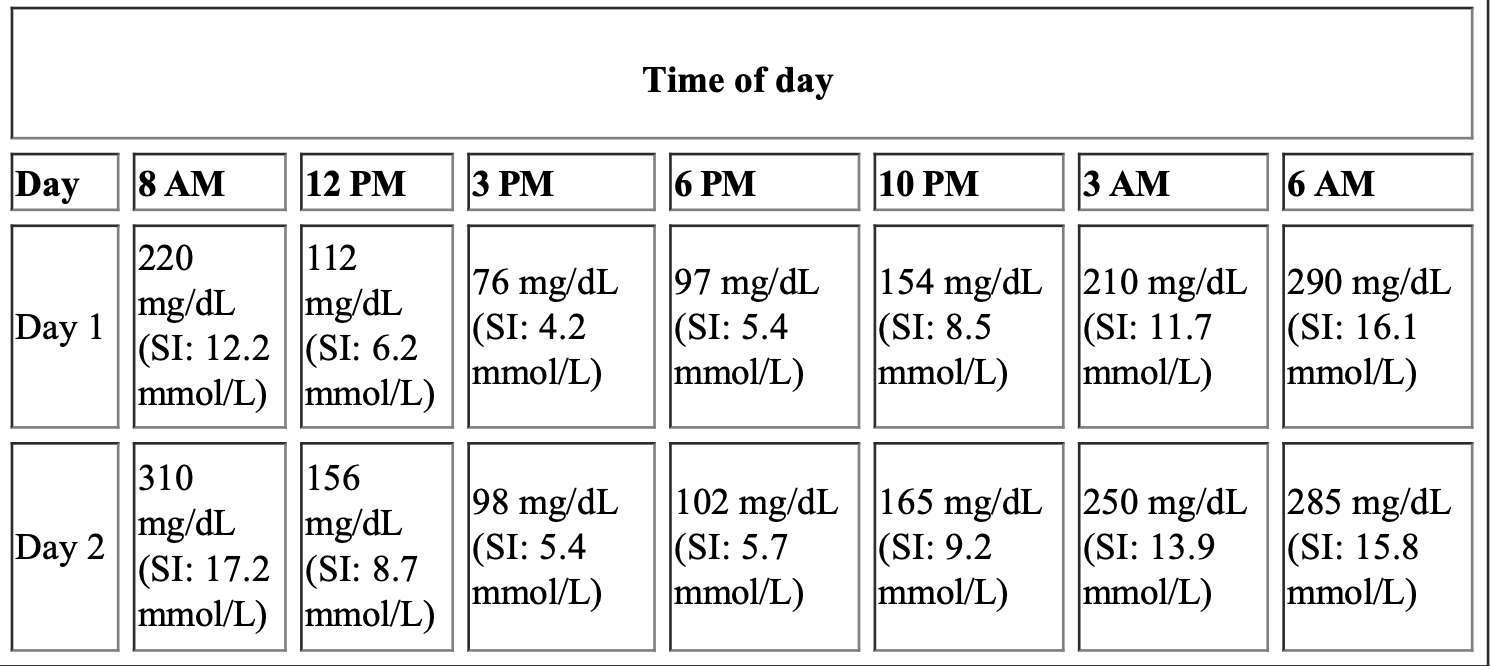
The patient’s data show that the overnight glucose increase is gradual with no nocturnal hypoglycemia.
His treatment regimen consists of insulin glargine, 20 units at 8 AM and 10 PM, and insulin lispro for meals, 8 units plus medium-dose correction scale (adds 2 units of lispro per every glucose reading of 50 mg/dL above 150 mg/dL [>8.3 mmol/L]).
Which of the following is the best next step in this patient’s management?
A. Add an extra dose of insulin lispro at the start of peritoneal dialysis
B. Change his basal insulin to 40 units degludec, given at bedtime
C. Change his evening basal insulin to 30 units of NPH
D. Change to insulin pump therapy
E. Increase his evening insulin glargine dose to 30 units
C. Change his evening basal insulin to 30 units of NPH
400
A 77-year-old woman with a history of Hashimoto hypothyroidism since age 42 years presents with rapid thyroid enlargement over the course of several weeks. She reports a sensation of discomfort and pressure in her neck. While taking levothyroxine, her serum TSH concentration is 1.34 mIU/L and her TPO antibody level is 462 IU/mL (462 kIU/L). Ultrasonography shows a markedly heterogeneous gland with a 5.4-cm left-sided nodule. FNA biopsy of the nodule is performed (see image).
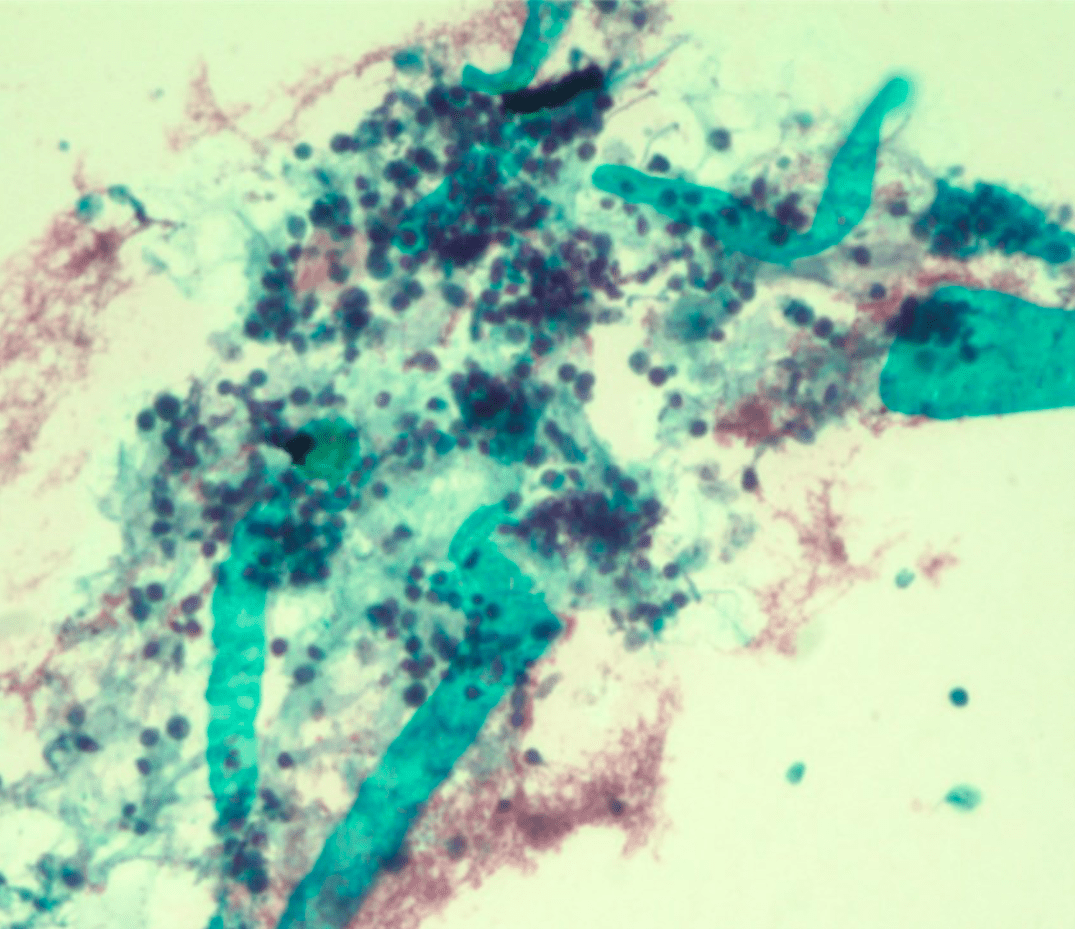
Which of the following is the best next step in this patient’s management?
A. 123I scan
B. Repeated FNA biopsy with flow cytometry
C. Repeated FNA biopsy with gene classifier testing
D. Repeated FNA biopsy with testing for the pathogenic variants associated with thyroid cancer
E. Total thyroidectomy
B. Repeated FNA biopsy with flow cytometry
400
A 64-year-old man with longstanding end-stage kidney disease on hemodialysis has multiple vertebral fractures and a femoral neck T- score of −3.8 on DXA. Long-term medications include calcitriol, 0.5 mcg twice daily, and cinacalcet, 90 mg twice daily.
Laboratory test results:
Corrected serum calcium = 8.1 mg/dL (8.2-10.2 mg/dL) (SI: 2.0 mmol/L [2.1-2.6 mmol/L]) Phosphate = 5.2 mg/dL (2.3-4.7 mg/dL) (SI: 1.7 mmol/L [0.7-1.5 mmol/L])
25-Hydroxyvitamin D = 24 ng/mL (25-80 ng/mL [optimal]) (SI: 59.9 nmol/L [62.4-199.7 nmol/L]) PTH = 78 pg/mL (10-65 pg/mL) (SI: 78 ng/L [10-65 ng/L])
Total alkaline phosphatase = 48 U/L (50-120 U/L) (SI: 0.80 μkat/L [0.84-2.00 μkat/L]) An iliac crest biopsy is done after double-tetracycline labeling.
While awaiting bone biopsy results, which of the following changes in management should be made immediately?
A. Begin denosumab
B. Begin teriparatide
C. Decrease the calcitriol dosage
D. Decrease the cinacalcet dosage
E. Increase the calcitriol dosage
Decrease the cinacalcet dosage
400
A 40-year-old man is found to have a low testosterone level, which was measured as part of an executive health screen. He reports normal energy levels and sexual function and has no history of headaches or vision problems.
On physical examination, his BMI is 26 kg/m2. He has no gynecomastia. He has normal facial, axillary, and pubic hair. His testes measure 12 mL bilaterally.
Laboratory test results:
Testosterone = 45 ng/dL (300-900 ng/dL) (SI: 1.6 nmol/L [10.4-31.2 nmol/L]) LH = <1.0 mIU/mL (1.0-9.0 mIU/mL) (SI: <1.0 IU/L [1.0-9.0 IU/L])
FSH = <1.0 mIU/mL (1.0-13.0 mIU/mL) (SI: <1.0 IU/L [1.0-13.0 IU/L]) Hematocrit = 52% (41%-50%) (SI: 0.52 [0.41-0.50])
Prolactin = 24 ng/mL (4-23 ng/mL) (SI: 1.0 nmol/L [0.17-1.00 nmol/L]) Pituitary MRI shows a 5-mm hypoenhancing lesion.
Which of the following is this patient’s most likely diagnosis?
A. Anabolic steroid use
B. Congenital hypogonadotropic hypogonadism
C. Hereditary hemochromatosis
D. Hyperprolactinemia
E. Opioid use
A. Anabolic steroid use
400
A 32-year-old woman is referred because of “low” blood cholesterol levels. She had a bout of abdominal pain several weeks ago and her physician ordered right upper-quadrant ultrasonography, which revealed a fatty liver. She was previously healthy and takes no
medications. Her BMI is 25 kg/m2. Her physical examination findings are unremarkable. Given her fatty liver disease, her physician ordered a cholesterol panel and hemoglobin A1c measurement.
Laboratory test results:
Hemoglobin A1c = 5.5% (4.0%-5.6%) (37 mmol/mol [20-38 mmol/mol])
Total cholesterol = 56 mg/dL (SI: 1.45 mmol/L) HDL cholesterol = 24 mg/dL (SI: 0.62 mmol/L) LDL cholesterol = 24 mg/dL (SI: 0.62 mmol/L) Triglycerides = 38 mg/dL (SI: 0.43 mmol/L) Hepatic profile, within normal limits
Which of the following is this patient’s most likely diagnosis?
A. Abetalipoproteinemia
B. Dysbetalipoproteinemia
C. Hypoalphalipoproteinemia
D. Hypobetalipoproteinemia
Hypobetalipoproteinemia
400
A 33-year-old woman has had partial hypopituitarism for 10 years after successful resection of a corticotroph pituitary adenoma. She has been treated with hydrocortisone, levothyroxine, and a low-dosage oral contraceptive pill. Given progressive fatigue, she undergoes testing for GH reserve, and she is found to have GH deficiency. She opts to start GH replacement.
Which of the following may occur after initiation of GH replacement in this patient?
A. A decrease in blood glucose
B. A need to increase the hydrocortisone dosage
C. A need to reduce the levothyroxine dosage
D. A need to reduce the oral contraceptive pill dosage
E. An increase in serum prolactin
A. A need to increase the hydrocortisone dosage
400
A 22-year-old woman is referred for evaluation of severe hypertension and adrenal incidentaloma. She has new-onset hypertension and hyperglycemia. Her mother and a maternal uncle also developed severe hypertension before age 40 years. The uncle died of a myocardial infarction, and the patient’s mother underwent adrenalectomy for bilateral pheochromocytoma and ultimately died of metastatic renal cell cancer.
Laboratory test results:
Sodium = 138 mEq/L (136-142 mEq/L) (SI: 138 mmol/L [136-142 mmol/L]) Potassium = 3.8 mEq/L (3.5-5.0 mEq/L) (SI: 3.8 mmol/L [3.5-5.0 mmol/L])
Plasma normetanephrine = 1502 pg/mL (<165 pg/mL) (SI: 8.2 nmol/L [<0.90 nmol/L]) Plasma metanephrine = 60 pg/mL (<99 pg/mL) (SI: 0.30 nmol/L [<0.50 nmol/L]) Serum aldosterone = 5 ng/dL (4-21 ng/dL) (SI: 138.7 pmol/L [111.0-582.5 pmol/L]) Plasma renin activity = 2.4 ng/mL per h (0.6-4.3 ng/mL per h)
CT after intravenous contrast is shown (see image).
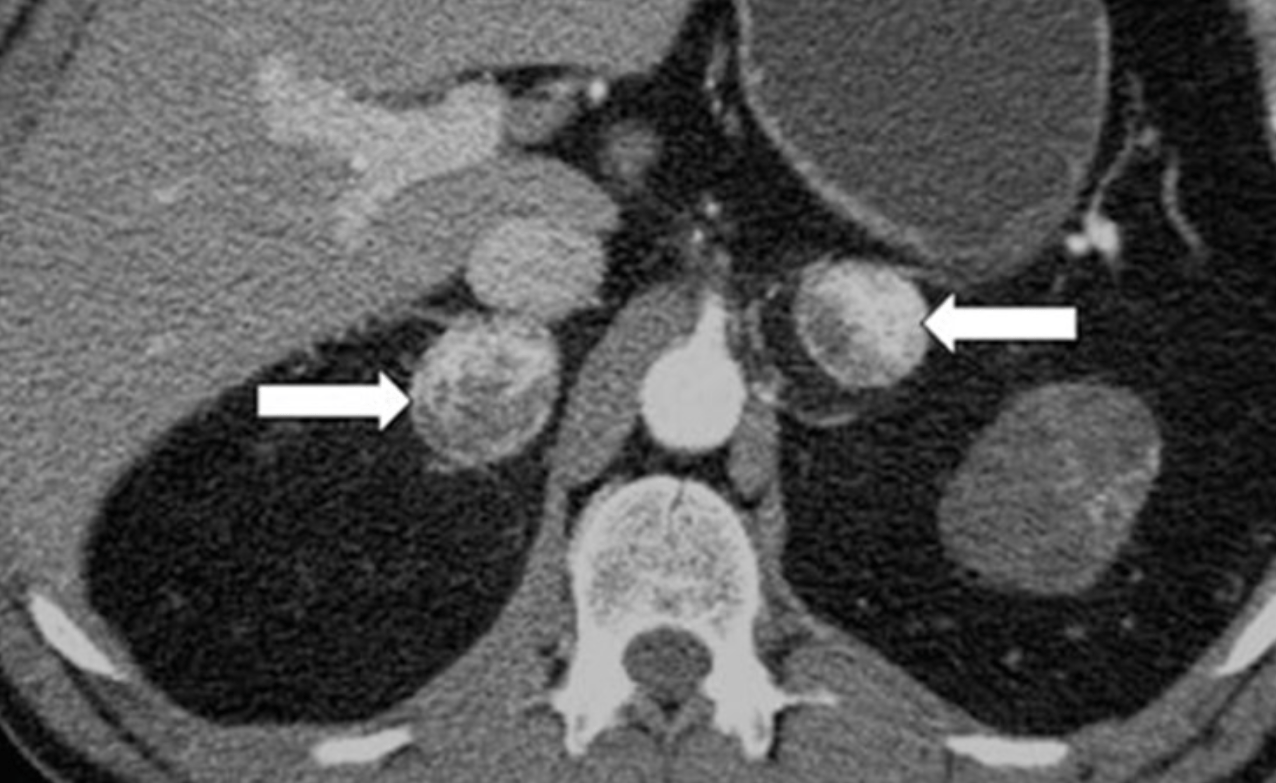
A pathogenic variant in which of the following genes is most likely responsible for pheochromocytoma in this kindred?
A. MEN1
B. RET
C. SDHD
D. TMEM127
E. VHL
E. VHL
500
A 44-year-old woman is referred for consultation regarding initiation of insulin pump therapy. Gestational diabetes requiring insulin was diagnosed at age 23 years. Type 2 diabetes was not diagnosed until 7 years later at age 30 years, and she was initially treated with metformin and glyburide. Her regimen was then switched to basal and mealtime insulin. Additional medications include flecainide, ramipril, atorvastatin, and coenzyme Q10.
Her medical history is notable for bilateral sensorineural hearing loss, macular pattern dystrophy with retinal pigmentation, Wolff- Parkinson-White syndrome, proteinuria, muscle weakness, and exercise intolerance that improved since she has been taking coenzyme Q10 supplementation. Her family history is notable for a sister who has insulin-dependent diabetes, profound hearing deficit, proteinuria, and kidney impairment. Her brother is healthy. The patient has 1 child, a 21-year-old daughter, who is healthy.
On physical examination, her blood pressure is 118/65 mm Hg, and BMI is 22 kg/m2. She has decreased sensation on monofilament testing of her feet.
Laboratory test results:
Hemoglobin A1c = 7.8% (4.0%-5.6%) (62 mmol/mol [20-38 mmol/mol])
Estimated glomerular filtration rate = 55 mL/min per 1.73 m2 (>60 mL/min per 1.73 m2) Urine albumin-to-creatinine ratio = 265 mg/g creat (<30 mg/g creat)
Which of the following tests is most likely to have a positive result?
A. A3243G pathogenic variant in mitochondrial DNA
B. Glutamic acid decarboxylase 65 antibodies
C. Pathogenic variant in the GCK gene
D. Pathogenic variant in the HNF1A gene
E. Zinc transporter 8 (ZnT8) antibodies
A. A3243G pathogenic variant in mitochondrial DNA
500
A 43-year-old woman is referred for diabetes management. Diabetes was diagnosed at age 22 years, 1 year after she developed dermatomyositis. Her diabetes has been difficult to control. Her current treatment regimen consists of 260 units daily of basal and mealtime insulins. She has tried an SGLT-2 inhibitor and 2 different GLP-1 receptor agonists, but they were either ineffective or she could not tolerate them because of adverse effects. Her premeal blood glucose values range between 180 and 300 mg/dL (10.0-16.7 mmol/L).
Her other medical problems include polycystic ovary syndrome, dyslipidemia, hypertension, hypothyroidism, and fatty liver. Her medications include insulin degludec, insulin lispro, metformin, rosuvastatin, fenofibrate, icosapent ethyl, ramipril, levothyroxine, and an oral contraceptive.
On physical examination, her blood pressure is 120/70 mm Hg and BMI is 22 kg/m2. A photograph of the patient is shown (see image). Laboratory test results:
Hemoglobin A1c = 10.0% (4.0%-5.6%) (86 mmol/mol [20-38 mmol/mol])
Serum creatinine = 0.9 mg/dL (0.6-1.1 mg/dL) (SI: 79.6 μmol/L [53.0-97.2 μmol/L]) Total cholesterol = 185 mg/dL (<200 mg/dL [optimal]) (SI: 4.79 mmol/L [<5.18 mmol/L]) Triglycerides = 550 mg/dL (<150 mg/dL [optimal]) (SI: 6.22 mmol/L [<1.70 mmol/L]) TSH = 2.5 mIU/L (0.5-5.0 mIU/L)
TPO antibodies, positive
ALT = 84 U/L (10-40 U/L) (SI: 1.40 μkat/L [0.17-0.67 μkat/L])
Urine albumin-to-creatinine ratio = 240 mg/g creat (<30 mg/g creat)
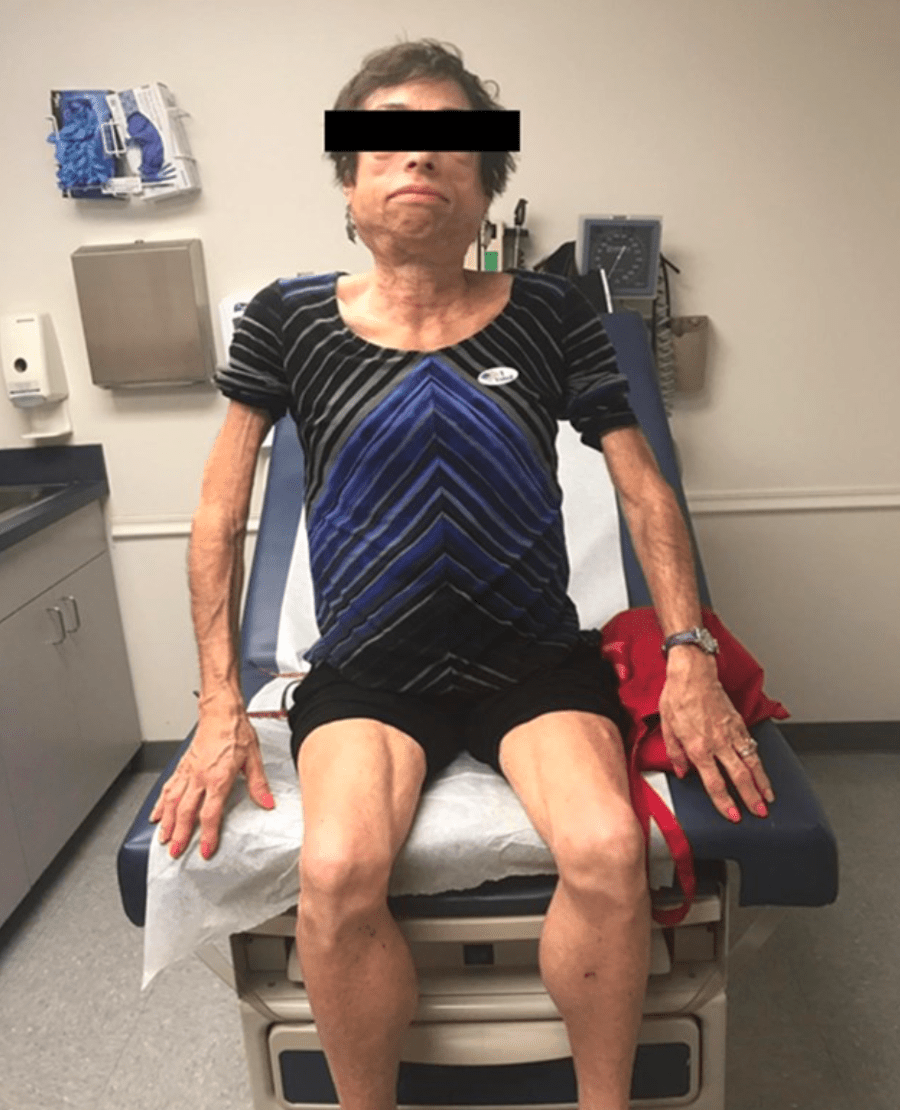
Which of the following should be ordered next to confirm this patient’s diagnosis?
A. Glutamic acid decarboxylase 65 antibody assessment
B. HNF1A gene testing
C. Insulin receptor gene testing
D. Leptin measurement
E. Urinary free cortisol excretion
D. Leptin measurement
500
A 64-year-old woman with longstanding hypothyroidism is referred because of very high levothyroxine dosage requirements. Previously she had maintained normal TSH values while taking levothyroxine, 112 mcg daily. However, over the past 2 years, the patient’s levothyroxine dosage has been as high as 600 mcg daily without good biochemical control of her hypothyroidism. She reports strict adherence to her treatment regimen. On physical examination, there is no goiter, but a large abdominal mass is noted that extends into the pelvis.
Laboratory test results:
Serum TSH = 178.0 mIU/L (0.5-5.0 mIU/L)
Free T4 = 0.4 ng/dL (0.8-1.8 ng/dL) (SI: 5.1 pmol/L [10.30-23.17 pmol/L])
Free T3 = 0.26 pg/mL (2.3-4.2 pg/mL) (SI: 0.4 pmol/L [3.53-6.45 pmol/L]) Reverse T3 = 413 ng/dL (10-24 ng/dL) (SI: 6.4 nmol/L [0.15-0.37 nmol/L])
The tumor is most likely to contain excessive amounts of which of the following?
A. Monocarboxylase transporter 8
B. Pendrin
C. Sodium-iodine transporter
D. Thyroid peroxidase
E. Type 3 deiodinase
E. Type 3 deiodinase
500
A 65-year-old postmenopausal woman with stage 1 breast cancer has completed surgery and radiation therapy to the breast. She has no history of fractures. Her oncologist would now like to treat her with anastrozole (an aromatase inhibitor) for at least 5 years. The oncologist orders DXA, which demonstrates T-scores of –2.2 at the lumbar spine, –1.7 at the femoral neck, and –1.5 at the total hip. Vertebral fracture assessment is negative for fracture. The FRAX results do not meet treatment thresholds for either major osteoporotic fractures or hip fractures. The oncologist refers the patient for advice regarding bone health.
In addition to optimizing calcium and vitamin D, which of the following interventions should be recommended?
A. Calcitonin
B. Raloxifene
C. Teriparatide
D. Zoledronic acid
E. No intervention needed
D. Zoledronic acid
500
A 29-year-old woman who is trying to conceive is referred for evaluation of secondary amenorrhea. Menarche was at age 12 years, and she initially had regular menses, occurring every 30 to 35 days. Since age 14 years, she has been on oral contraceptives because of dysmenorrhea and had regular withdrawal bleeding. Within a few months of discontinuing birth control last year, she developed acne and irregular menses occurring every other month. She and her partner have had unprotected intercourse for 12 months, without conception.
During an evaluation for irregular menses, nonclassic congenital adrenal hyperplasia and androgen excess were diagnosed. The following laboratory test results were documented:
Total testosterone = 30 ng/dL (8-60 ng/dL) (SI: 1.0 nmol/L [0.3-2.1 nmol/L])
Prolactin = 11 ng/mL (4-30 ng/mL) (SI: 0.48 nmol/L [0.17-1.30 nmol/L]
LH = 2.8 mIU/mL (0.5-18.0 mIU/mL [luteal]) (SI: 2.8 IU/L [05.18.0 IU/L])
DHEA-S = 418 μg/dL (44-332 μg/dL) (SI: 11.33 μmol/L [1.19-9.00 μmol/L])
Day 21 progesterone = 4.5 ng/mL (2.0-20.0 ng/mL [luteal]) (SI: 14.3 nmol/L [6.4-63.6 nmol/L])
Results of additional laboratory evaluation on day 3 of her menstrual cycle:
FSH = 4.5 mIU/mL (2.0-12.0 mIU/mL [follicular]) (SI: 4.5 IU/L [2.0-12.0 IU/L]) 17-Hydroxyprogesterone = 2000 ng/dL (<80 ng/dL) (SI: 60.6 nmol/L [<2.42 nmol/L]) Estradiol = 29 pg/mL (10-180 pg/mL [follicular]) (SI: 106.5 pmol/L [36.7-660.8 pmol/L]) Day 3 progesterone = 4.1 ng/mL (≤1.0 ng/mL [follicular]) (SI: 13.0 nmol/L [≤3.2 nmol/L]) Serum β-hCG, negative
On physical examination, her height is 64 in (162.6 cm) and weight is 158 lb (71.8 kg) (BMI = 27.1 kg/m2). Her blood pressure is 124/78 mm Hg. She has mild to moderate cystic acne along the jaw line. No violaceous striae or ecchymoses are observed. Terminal hair growth is present only on the upper lip and upper arms.
Which of the following should be initiated as the best next step in this patient’s management?
A. Clomiphene
B. Dexamethasone
C. Hydrocortisone
D. Metformin
E. Spironolactone
C. Hydrocortisone
500
The mother of an 18-year-old girl is concerned about her daughter’s weight and long-term health risks. She tells you that her daughter was always the tallest kid in her class. She gained weight quickly as an infant and toddler and her weight was greater than the 95th percentile by age 2 years. She was hungry all the time as a child and struggled with obesity despite being very physically active and playing sports. She performed well academically and had many friends. She went through puberty at age 11 years and has always had
regular menses. Her BMI is 36 kg/m2.
A pathogenic variant in which of the following genes is the most likely cause of obesity in this young woman?
A, Fat mass and obesity-associated protein (FTO)
B. Leptin (LEP)
C. Leptin receptor (LEPR)
D. Melanocortin 4 receptor (MC4R)
E. Proopiomelanocortin (POMC)
D. Melanocortin 4 receptor (MC4R)
500
A 28-year-old woman is referred by her gynecologist for possible hypercortisolism. During the past year she has gained 30 lb (13.6 kg) and developed abdominal striae and facial hirsutism. Her menses have become irregular. She takes no medication. There is no known family history of endocrine disease.
On physical examination, her blood pressure is 140/98 mm Hg and pulse rate is 80 beats/min. Her height is 61.5 in (156.2 cm), and weight is 176 lb (80 kg) (BMI = 32.7 kg/m2). She has thin skin, facial hirsutism, and purplish abdominal striae.
Laboratory test results:
Urinary free cortisol = 156 μg/24 h (4-50 μg/24 h) (SI: 431 nmol/d [11-138 nmol/d])
Serum cortisol after 1 mg dexamethasone administered the night before = 5.9 μg/dL (SI: 162.8 nmol/L) Random plasma ACTH = 47 pg/mL (10-60 pg/mL) (SI: 10.3 pmol/L [2.2-13.2 pmol/L])
Pituitary MRI shows a 8-mm right-sided pituitary microadenoma.
In the pituitary adenoma cells, which of the following genes is most likely to have a pathogenic variant?
A. AIP
B. GNAS
C. PRKAR1A
D. RET
E. USP8
E. USP8
500
A 49-year-old man is evaluated for suboptimally controlled hypertension despite treatment with maximum dosages of amlodipine, indapamide, and ramipril.
On physical examination, his blood pressure is 165/95 mm Hg. He has no stigmata of endocrine dysfunction.
Laboratory tests confirm a diagnosis of primary aldosteronism, and further investigations are performed to determine whether he has unilateral or bilateral disease. Abdominal CT is shown (see image).
Adrenal venous sampling is performed (unstimulated [without cosyntropin], simultaneous sampling) (see table).
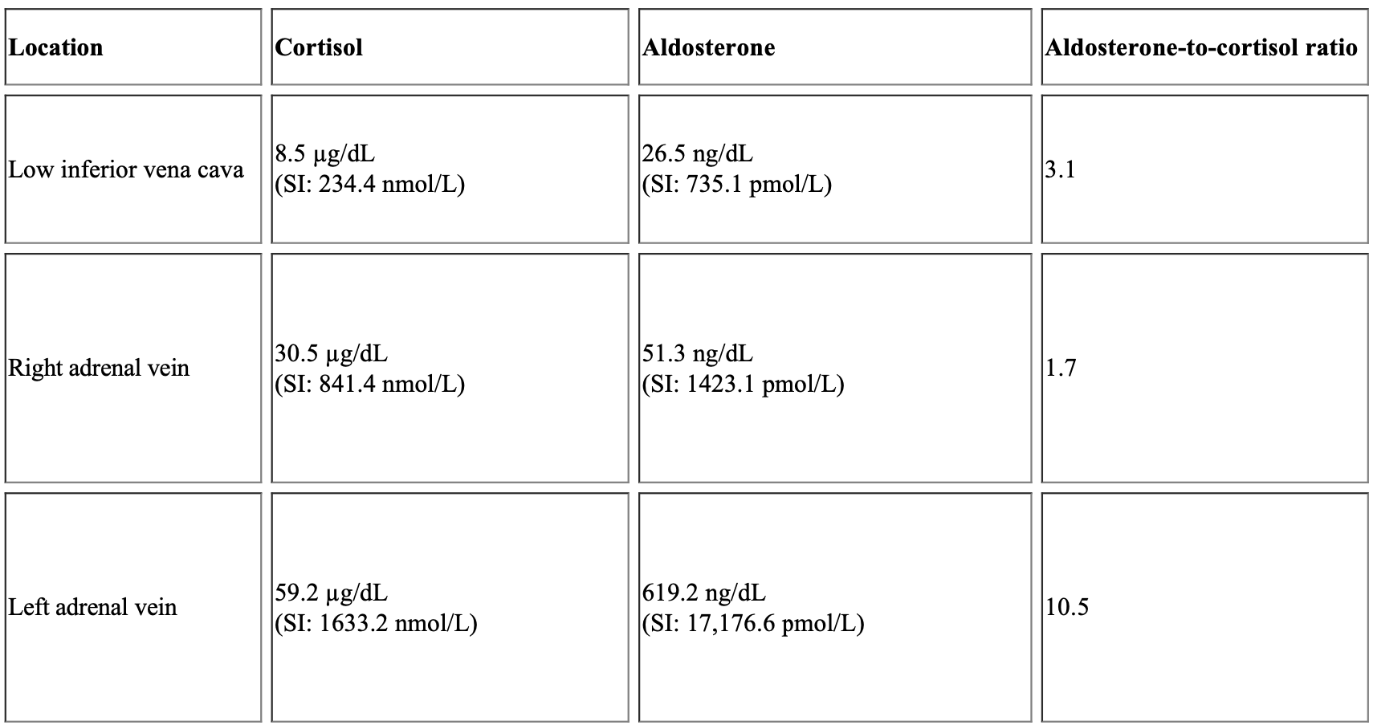
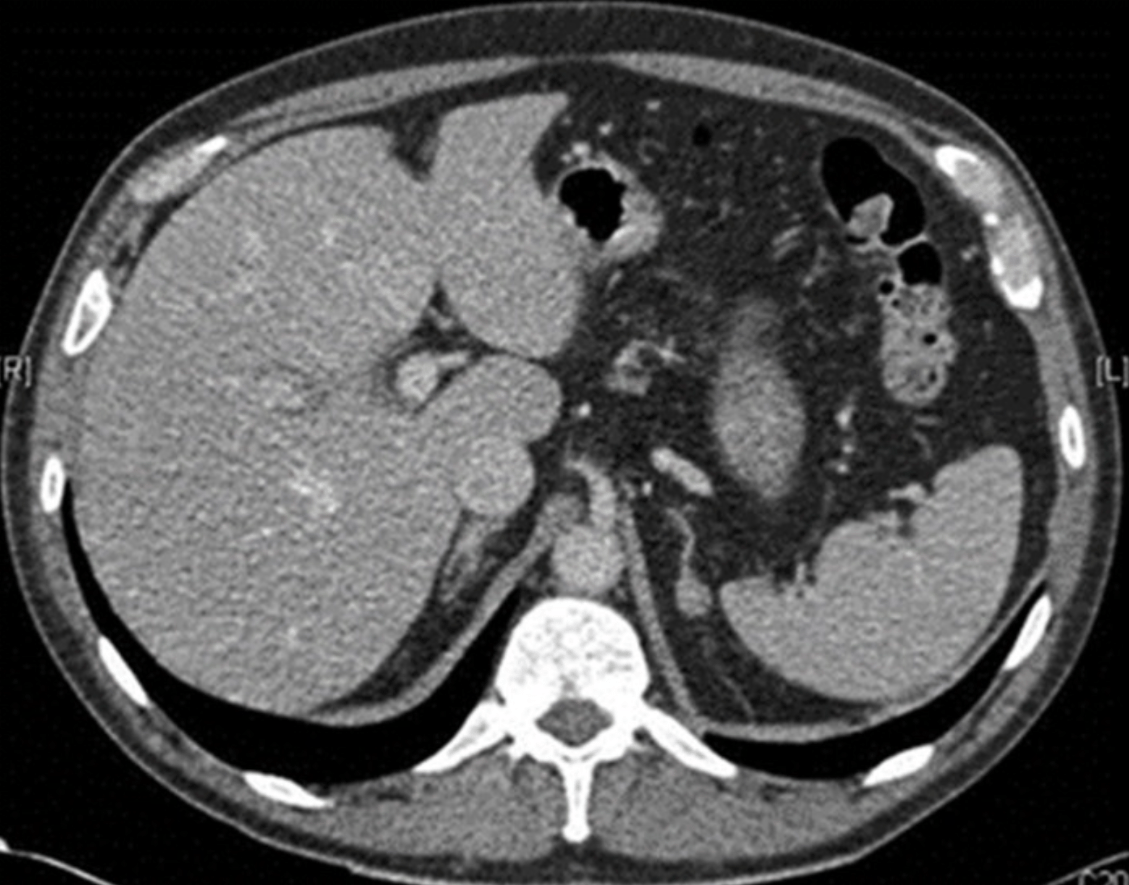
Which of the following conclusions is best supported by these findings?
A. He has bilateral primary aldosteronism with left-sided dominance
B. He has unilateral primary aldosteronism due to a left aldosterone-producing adenoma
C. He has unilateral primary aldosteronism due to a left aldosterone-producing adenoma with cortisol cosecretion
D. Right adrenal vein has not been successfully cannulated
E. Neither adrenal vein has been successfully cannulated and the procedure should be repeated with cosyntropin infusion
B. He has unilateral primary aldosteronism due to a left aldosterone-producing adenoma