Scientific Methods
Populations
Energy Flow in Ecosystems
Biogeochemical Cycles
Biomes
100
What is environmental science?
The field of science that studies the interactions of the physical, chemical, and biological components of the environment and also the relationships and effects of these components with the organisms in the environment
100
What is exponential growth?
Growth whose rate becomes ever more rapid in proportion to the growing total number or size.
100
Define "Producer"
An organism that can make its own food.
100
The process of lightning or bacteria changing free nitrogen gas into usable nitrogen compounds such as nitrates that plants can absorb and use is the definition for the term _______ _______.

"Nitrogen Fixation"
100
How would a scientist define a tundra?

A cold and treeless biome with low-growing vegetation.
200
Define the term observation used in the scientific method.
Use of your senses to gather quantitative or qualitative information
200
Define the term carrying capacity.
Largest number of individuals of a population that a environment can support
200
Define "Consumer"
An organism that obtains energy by feeding on other organisms

200
Transpiration is defined as ____________________.
evaporation of water from the leaves of plants

200
The Taiga biome is defined as _________________.
Having cool-warm summers; very cold, snowy winter, with small-moderate amounts of precipitation located in the northern hemisphere.
300
What is an inference?
a possible explanation for what you observe (that you might assume is true)
300
What is the definition of competition?
Interaction among organisms that vie for the same resource in an ecosystem.
300
What is the definition of the term "decomposer?"
An organism that gets energy by breaking down biotic wastes and dead organisms, and returns raw materials to the soil

300
What is "Photosynthesis?"

The conversion of light energy from the sun into the chemical energy of glucose.
300
The bulleted list below describes and defines what type of dry biome?
- Very hot summer with cold nights
- Very small amount of precipitation
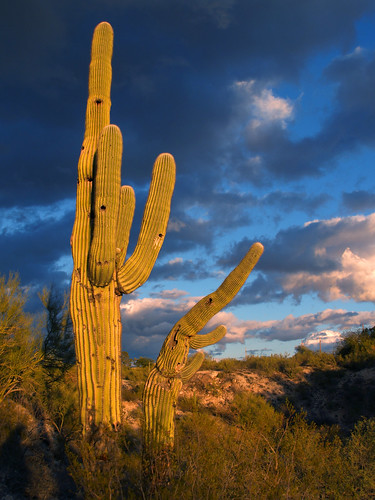
"Desert"
400
Define "Scientific Method"
The steps scientists use to create explanations based on the evidence they gather.
400
Animals that hunt other animals for food is known as what type of environmental factor?
Predation
400
A series of events in which one organism eats another and obtains energy is known as the term______.
"Food Chain"
400
The process that releases energy by breaking down glucose and other food molecules in the presence of oxygen is called _______ ________.

"Cellular Respiration"
400
The term "Biome" can be defined as_____________.

A very large region with a characteristic climate as well as types of plants and animals, also including a large group of similar ecosystems.
500
A simple statement predicting the result of a controlled scientific experiment is what step of the scientific method?
"Hypothesis"
500
The gray and red squirrels using the same resources, grass and dandelions obtaining the same space for nutrients and water is an example of what type of environmental factor?

"Competition"
500
The many overlapping food chains among organisms living in an ecosystem is defined as____.

"Food Web"
500
The state or process of rotting; decay; releases carbon to the environment is a niche used by what group of organisms?
"Decomposers"
500
 The green region of the biome map is known as the _________.
"Tundra"