7th Grade ELA 1
7th Grade ELA 2
7th Grade ELA 3
7th Grade ELA 4
7th Grade ELA 5
100
What is the setting of a story?
Where/when the story takes place
100
A group of lines in poetry.
Stanza
100
What should an engaging introduction include?
A hook, context, and a thesis statement
100
What is the opening paragraph to your writing called?
The closing, the introduction, or the body?
Introduction
100
What FANBOYS stands for
For And Nor But Or Yet So
200
The problem of the story
conflict
200
What the word literally means.
Denotation
200
a type of conflict where one character has a problem with another character.
person vs person
200
She is busy as a bee.
What is the pronoun in the sentence?
She
200
What is text evidence?
Evidence you can pull directly from the passage to back you up
300
What does it mean to compare and contrast?
To tell how things are the same or different
300
How to determine the meanings of unfamiliar words?
Context clues or use learners dictionary
300
Identify the point of view used in this sentence:
"You should always check both ways before crossing the street."
Second-person point of view
300
serves to control the poem's pace, rhythm, and emphasis for the reader, Poets shape meaning by using commas, periods, or dashes.
punctuation
300
Which part of an essay reminds the reader about the thesis and main points while leaving them with a final message?
The Conclusion
400
What is the figurative language that uses comparison with "like" or "as"
Simile
400
The feeling or idea a word gives
Connotation
400
The organizational pattern/text where the author explains why something happens.
Cause and effect structure
400
What are the verbs in this sentence:
She watched him play at the park.
watched and play
400
a word that describes a noun by telling what kind, how many, or which one.
Adjective
500
The point where all conflicts are resolved. The ending of the story may answer important questions and tie up loose ends.
the resolution
500
type of conflict where a character struggles against the rules, beliefs, or expectations of a group.
person vs. society
500
The author’s or speaker’s attitude toward the subject of the poem.
Tone
500
refers to a poem's overall structure and style, encompassing its physical shape on the page, line lengths, stanzas, rhyme scheme, meter, and other established conventions.
Form
500
What is at the top of the plot diagram?
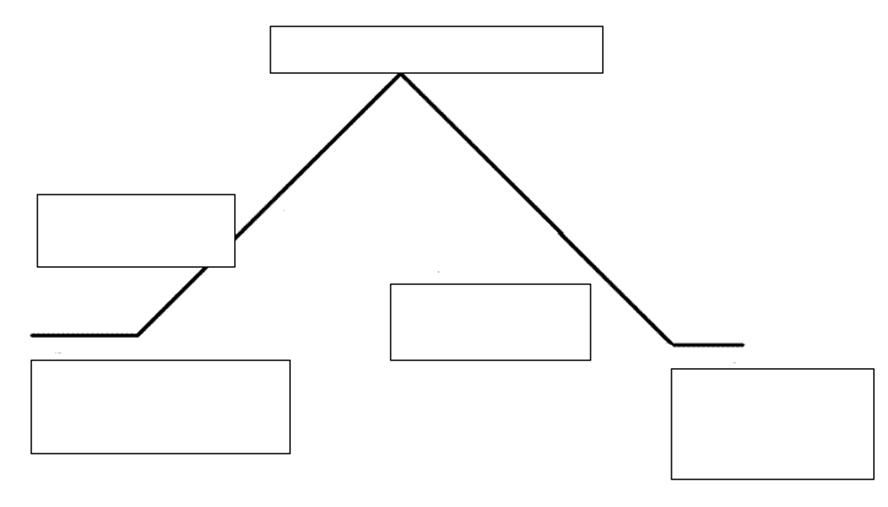
Climax