Renaissance and Reformation
Absolutism and Constitutionalism
Scientific Revolution and Enlightenment
French Revolution and Napoleon
Nineteenth Century, WWI, WWII, and Beyond
100
The acronym CHAIRS stands for these five concepts.
Classical Humanism, Activism, Individualism, Realism, Secularism
100
The doctrine that kings derive their authority from God, not from their subjects, from which it follows that rebellion is the worst of political crimes. It was claimed in Britain by the earlier Stuarts and is also associated with the absolutism of Louis XIV of France.
Divine Right
100
Jonathan Swift wrote this work on the economics and culinary potential of babies.
A Modest Proposal
100
When the representatives came to the royal palace in May 1789, they brought with them cahiers de doleances, which translates to this English phrase.
Lists of grievances
100
Also known as Operation Overlord.
D-Day
200
This famous painter created this painting on the ceiling of the Sistine Chapel:

Michelangelo - The Creation of Adam
200
The portrait of this French monarch was brought into meetings when he was unavailable:
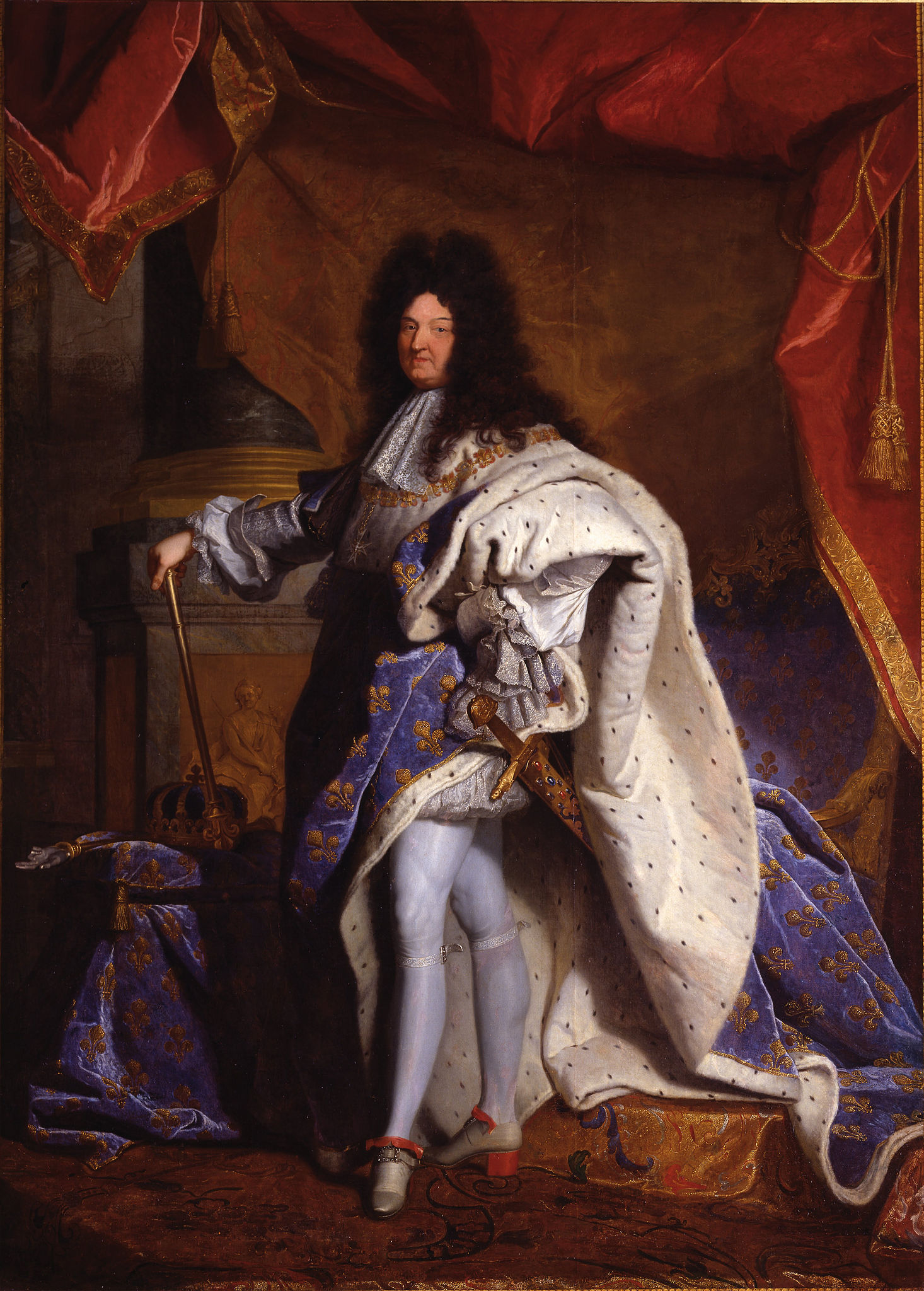
King Louis XIV
200
He equates Enlightenment with the courage of the individual to use his or her reason:
"Enlightenment is man's emergence from his self-imposed nonage."
Immanuel Kant
200
This date marks the Storming of the Bastille.
July 14, 1789
200
His assassination sparked The Great War.
Francis Ferdinand
300
Martin Luther attacked the seven sacraments in his writing, The Babylonian Captivity of the Church, arguing that only these two sacraments were unquestionably biblical.
Baptism and the Eucharist
300
The central element of the image of the monarchy in France was this palace.
Palace of Versailles
300
They were the intellectuals of the 18th-century Enlightenment. Few focused on one area of thought; rather, they were public intellectuals who applied reason to the study of many areas of learning.
the philosophes
300
This person embodied the republic of virtue defended by terror.
Maximilien de Robespierre
300
This leader instituted the Great Purge, which remains one of the most mysterious and horrendous political events of the twentieth century.
Joseph Stalin
400
This Swiss reformer protested the Lenten fast imposed by the Catholic Church by eating sausages on Ash Wednesday.
Ulrich Zwingli
400
Louis XIV need the support of this group of people to expand royal authority.
the nobility
400
The "rational" version of religion.
Deism
400
The tempering of the Revolution was called this.
The Thermidorian Reaction
400
On March 23, 1933, the Reichstag passed this act, permitting Hitler to rule by decree.
The Enabling Act
500
A famous leader of the Counter-Reformation, this Jesuit wrote "Spiritual Exercises" to give Catholics a positive direction.
Ignatius of Loyola
500
In 1603, English Parliament met only when this monarch summoned it, which he hoped to do rarely.
James I
500
Between Locke and Rousseau, one of these men believed that men and women should inhabit separate spheres.
Rousseau
500
In November 1807, this man wrote his brother the following lines:
"In Germany, as in France, Italy, and Spain, people long for equality and liberalism. I have been managing the affairs of Europe long enough now to know that the burden of the privileged classes was resented everywhere."
Napoleon Bonaparte
500
Churchill was opposed to this policy, championed by Chamberlain.
Policy of Appeasement