Natural Selection
Causes of Evolution
Evidence of Evolution
Name that Process
Random
100
The process in which individuals with traits that give them an advantage are better able to compete, survive, and reproduce to pass these traits to offspring.
What is Natural Selection
100
This is a random change in DNA that introduces new variation within a species.
What is Mutation
100
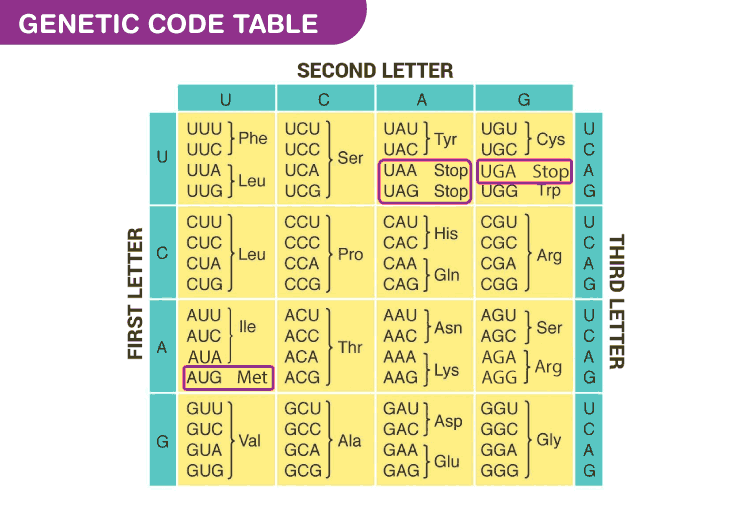
Similarities in this sequence are the strongest evidence for common ancestry. The universal code for life.
What is DNA
100
A nonrandom process that occurs in nature.
What is natural selection.
100
The human appendix, whale hip bones, ostrich wings, and a dog’s dew claws are all examples of ___________.
What are vestigial structures.
200
Name the type of natural selection: Brown and grey rabbits are favored, but white and black rabbits are selected against.
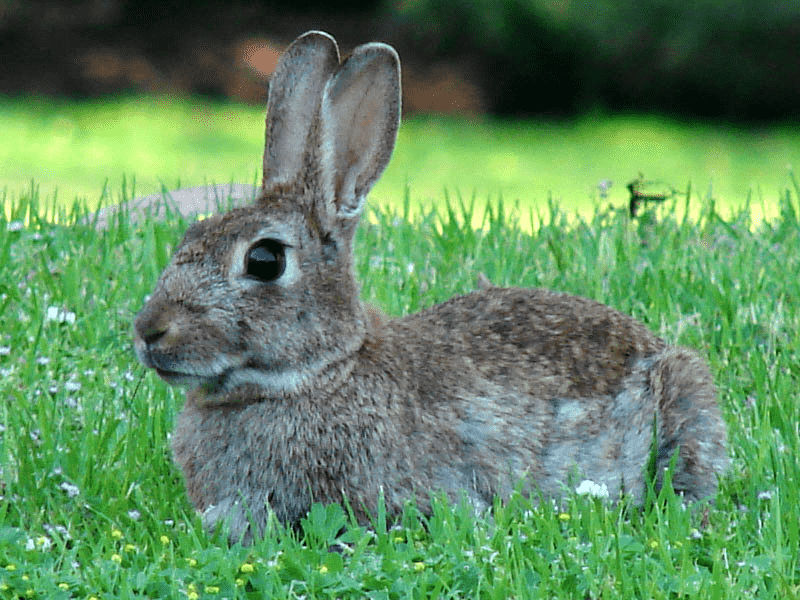
What is stabilizing selection.
200
This process increases the fitness of a population.
What is Natural Selection.
200
The arms of a dog, whale and bat all have similar bones, but they serve different functions. These are examples of ____________.
What is homologous structures.
200
Lions live in the south Sahara Desert in breeding groups called prides. Females tend to stay in their pride, but males may leave to join another pride.
What is gene flow.
200
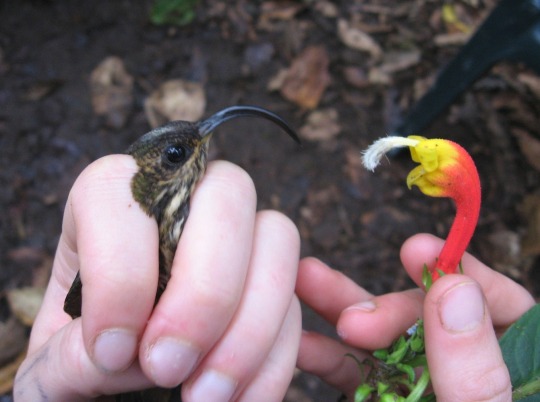
Two species influencing the evolution of the other species. Adaptations such as mimicry and camouflage show this.
What is coevolution.
300
Name the type of natural selection: Giraffes with long necks survive to reproduce more frequently than giraffes with short necks. 
What is directional selection.
300
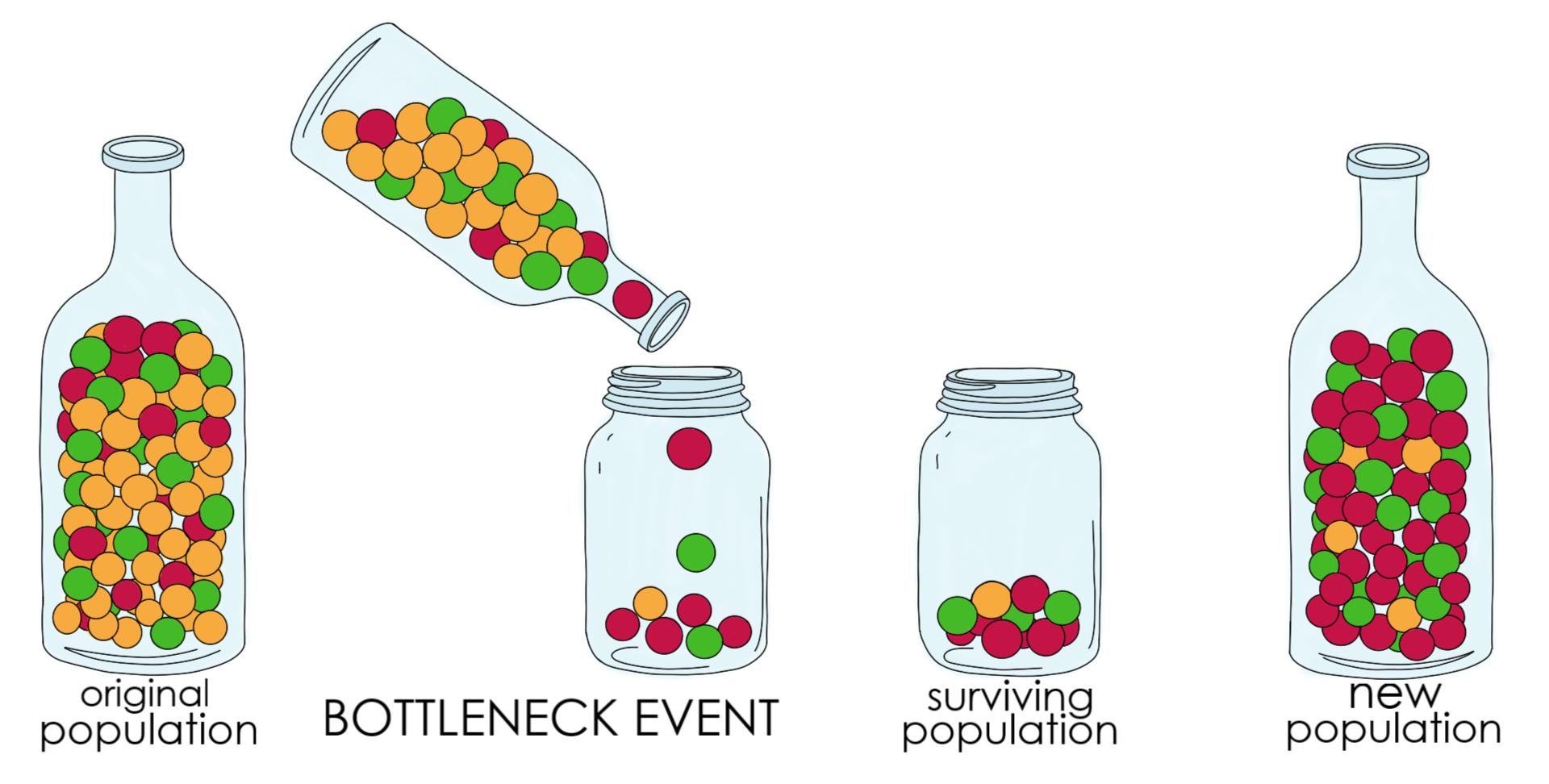
In this process, a catastrophic event greatly reduces the population size and genetic diversity.
What is the bottleneck effect.
300
The wings of a bird and fly. The eyes of a bird and fly. The legs of a bird and fly. These are examples of ___________.
What is analogous structures.
300
Wind picks up pollen from a flower and carries it to a field with no established population.
What is founder's effect.
300
A type of evolution where a single ancestral species evolves into different species as each migrates out and adapts to different environments with different climates and food sources.
What is divergent evolution.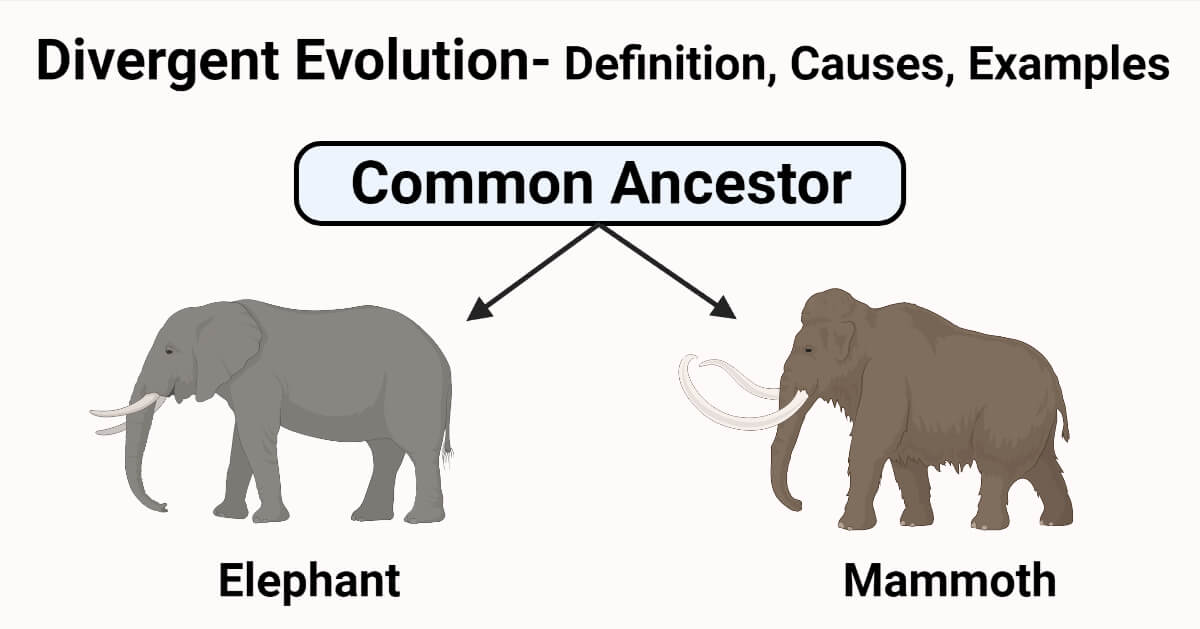
400
Name the type of natural selection: Light mice blend into the sand, and dark mice blend into the grass. Medium-gray mice stick out on both backgrounds and are easily eaten.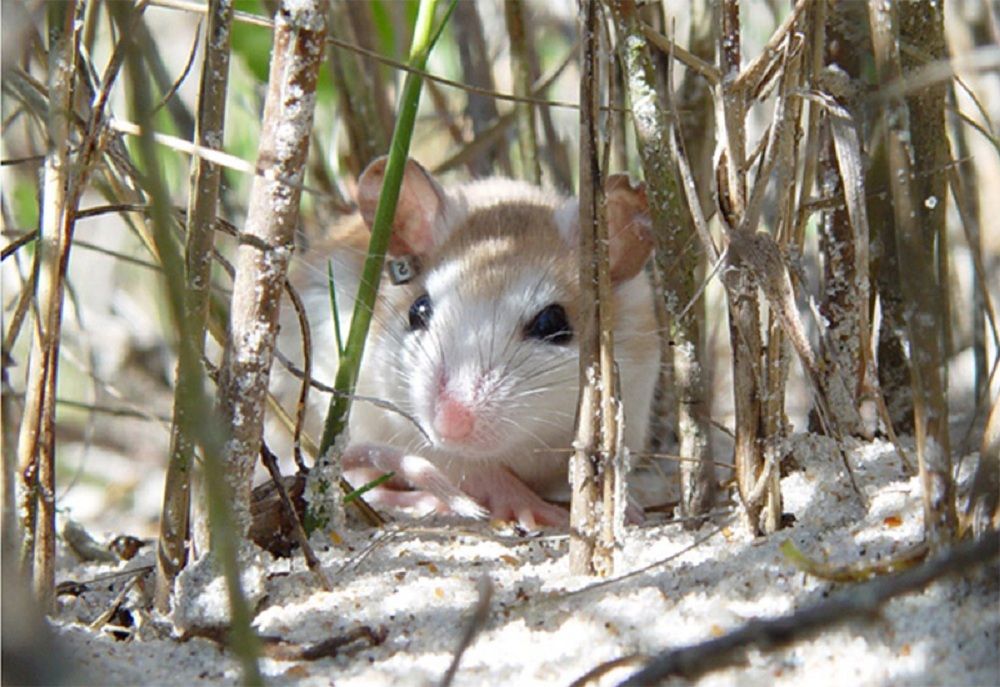
What is disruptive selection.
400
In this process, a small group of individuals are separated from the original population; the new colony is cut off and the gene pool is split.
What is the Founder's effect.
400
This shows preserved remains of ancient organisms in sedimentary rock. Also shows the extinction rate of species and ancestor species.
What is the fossil record.

400
A disease spreads in the jungle and kills 90% of a koala population. 10% still remains to reproduce.
What is bottleneck effect.
400
A type of evolution process where different species evolving similar adaptations to similar environmental conditions, such as the fins on a shark and orca. (Analogous Fins)
What is convergent evolution.

500
Natural Selection can lead to a formation of new species from one common species if changes and adaptations are significant enough. What is this referred to as?
What is speciation.
500
In this process, genetic material is randomly transferred between small, separated populations, allowing the species’ gene pool to stay intact.
What is gene flow.
500
This is the study of embryonic development, which led to the discovery of shared developmental genes.
What is embryology.

500
This is a random process that decreases a gene pool. There are two types under this umbrella.
What is genetic drift.
500
Most traits are complex traits resulting from the interaction of many genes (ex: skin color, height). These are called _______________.
What are polygenic traits.