LIFE ON LAND
PLANT BODY & TISSUES
ROOTS & RESOURCES
SEEDS & REPRODUCTION
GROWTH & RESPONSES
100
These land-plant traits include a waxy surface that limits water loss and a durable polymer in spore walls that helps prevent desiccation.
What are the cuticle and sporopollenin?
100
This vascular tissue is made mainly of dead, tube-like cells and carries water and minerals upward from roots.
What is xylem?
100
These tiny extensions of root epidermal cells increase surface area for absorbing water and minerals.
What are root hairs?
100
This is the transfer of pollen to the part of a seed plant containing the ovules; it is required for fertilization.
What is pollination?
100
This hormone is gaseous and participates in fruit ripening, leaf abscission, and responses to mechanical stress.
What is ethylene?
200
Plants are called embryophytes because their shared derived trait is a multicellular example of this, retained on and nourished by the parent.
What is a dependent embryo?
200
These living vascular tissues transport sugars and other organic nutrients through the plant.
What is phloem?
200
During this soil process, hydrogen ions displace positively charged mineral ions from clay particles, making the minerals available to roots.
What is cation exchange?
200
In flowering plants, this pollen structure grows after germination and delivers sperm toward an ovule.
What is a pollen tube/carpel/piston?
200
This plant hormone promotes stem and leaf growth, can trigger seed germination, and helps break bud dormancy.
What are gibberellins (or gibberellin)?
300
This life-cycle pattern alternates a multicellular diploid stage with a multicellular haploid stage.
What is alternation of generations?
300
These localized growing regions at root and shoot tips enable lengthening, also called primary growth.
What are apical meristems?
300
This fungal-plant mutualism increases the effectiveness of plant root systems in acquiring resources.
What are mycorrhizae?
300
This angiosperm process uses two sperm cells: one contributes to the zygote and the other helps form the endosperm.
What is double fertilization?
300
This growth response curves a shoot toward or away from light because cells elongate at different rates.
What is phototropism?
400
In the plant life cycle, this diploid stage produces haploid spores through meiosis; the spores then grow by mitosis.
What is the sporophyte?
400
This lateral meristem produces secondary xylem inward and secondary phloem outward, increasing woody stems and roots in thickness.
What is the vascular cambium?
400
This process is the evaporative loss of water from a plant and contributes to water movement through the plant.
What is transpiration?
400
This seed adaptation is a low-metabolism state in which growth and development are suspended.
What is dormancy?
400
This plant maneuver in response to mechanical stress combines slower stem elongation, a thicker stem, and horizontal curvature.
What is the triple response?
500
This mutualism between plant roots and fungi is important to plant nutrition and is associated with the colonization of land.
What is a mycorrhiza (or mycorrhizal association)?
500
Unlike rigid, lignified sclerenchyma, these flexible support cells occur in strands or cylinders and support young plant parts without stopping growth.
What are collenchyma cells?
500
Certain prokaryotes perform this conversion of atmospheric N₂ into ammonia; some live in root nodules of legumes.
What is nitrogen fixation?
500
A mature version of this flower structure protects dormant seeds and often helps disperse them.
What is a fruit (the mature ovary)?
500
This adapted process protects the plant during times of extreme stress like drought.
What is abscisc acid (ABA)?
1000
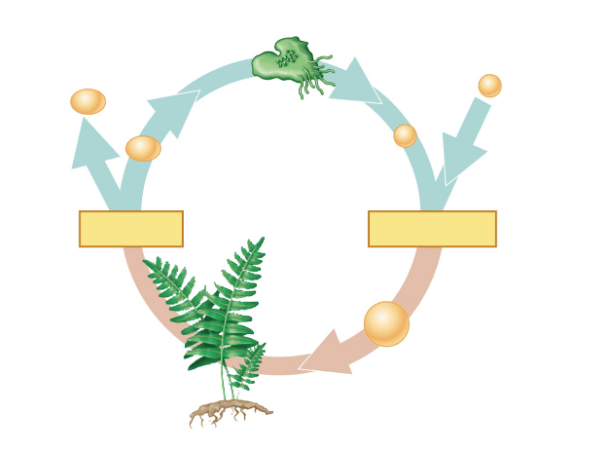 How many mitosis event s happen in the cycle of alternation and where are they on the chart?
Three
1000
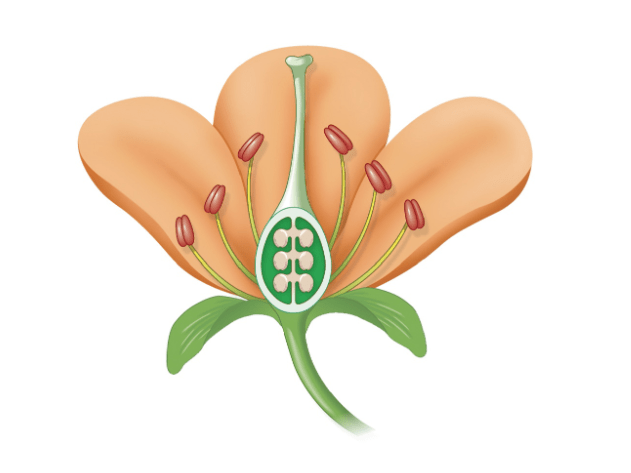 The parts of the flower make up the male anatomy and aid in the production of pollen.
What is the filament, made up of the anther and stamen?
1000
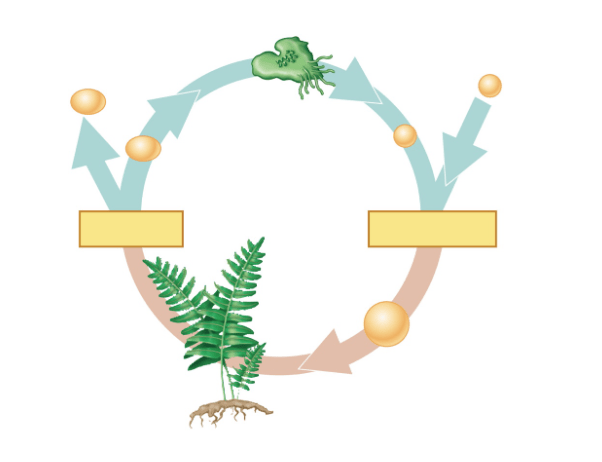 At this point of the cycle the plant is diploid, at this point its haploid.
Diploid = tan lines
Haploid = teal lines
1000
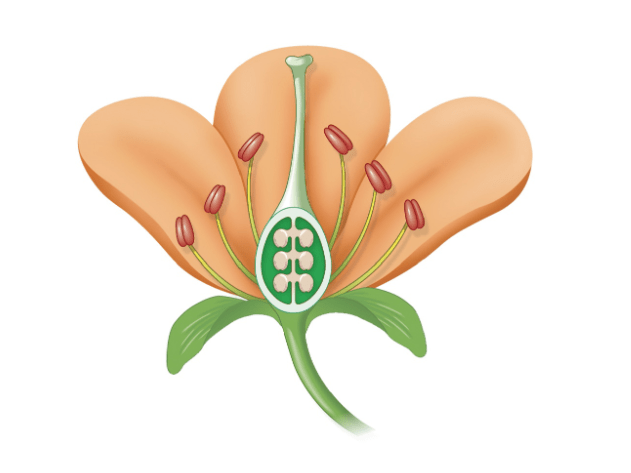 These parts of the flower make up the female anatomy and produce in the development of seeds.
What is the carpel, made of the stigma, style, ovule, and ovary?
1000
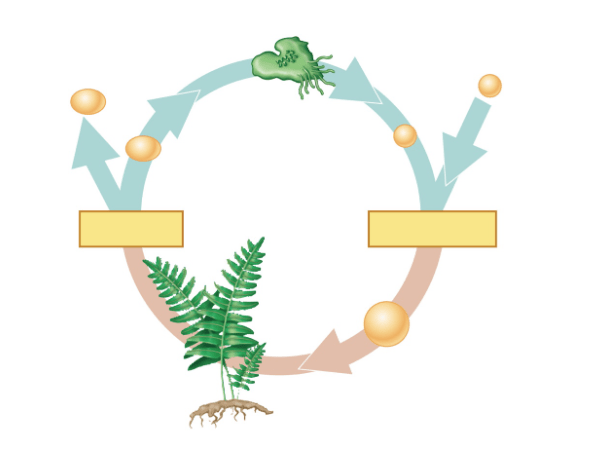 Fill in meiosis, fertilization, and the life stages of the plant.
Yawl doing GREAT!!!!