Exponents
Radicals
Adding & Subtracting Polynomials
Multiplying and factoring Polynomials
Functions
100
Use the product rule for exponents to multiply:
x^3*x^2
x^5
100
sqrt (121y^2)
11 y
100
Add the following polynomials. Write your final answer in standard form.
(4x^2+4)+(19x^2-7)
23x^2-3
100
Multiply the polynomials. Write your final answer in standard form.
-3x(2x+4)
-6x^2-12x
100
What type of function is this?
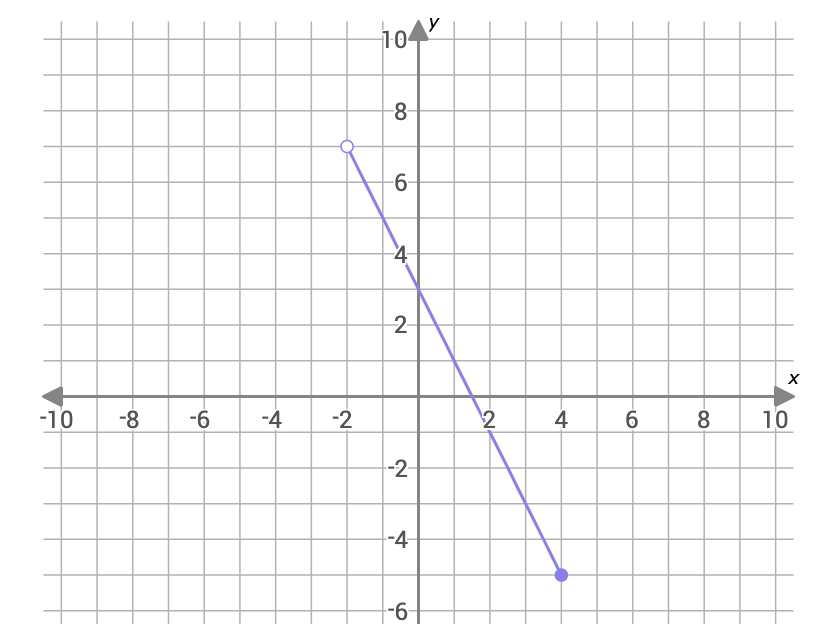
Linear Function
200
Use the quotient rule for exponents to divide:
(y^5)/(y^3)
y^2
200
3 sqrt(25)
15
200
Add the following polynomials. Write your final answer in standard form.
(13x^2y-2x+1)+(9x^2y-7)
22x^2y-2x-6
200
Factor the given polynomials.
2x^2+6x
2x(x+3)
200
What type of function is this?
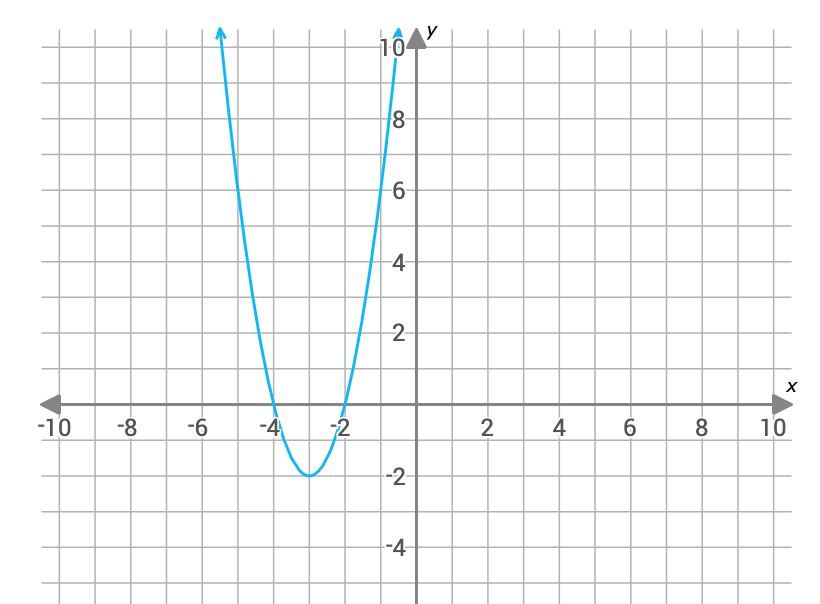
Quadratic Function
300
Use the power rule to simplify:
(z^3)^2
z^6
300
3 sqrt (3) times 5 sqrt (2)
15 sqrt (6)
300
Add the following polynomials. Write your final answer in standard form.
(-x^3+8x^2-5)+(10x^3-x^2+1)
9x^3+7x^2-4
300
Multiply the polynomials. Write your final answer in standard form.
(x+4)(x-4)
x^2 - 16
300
What type of function is this?
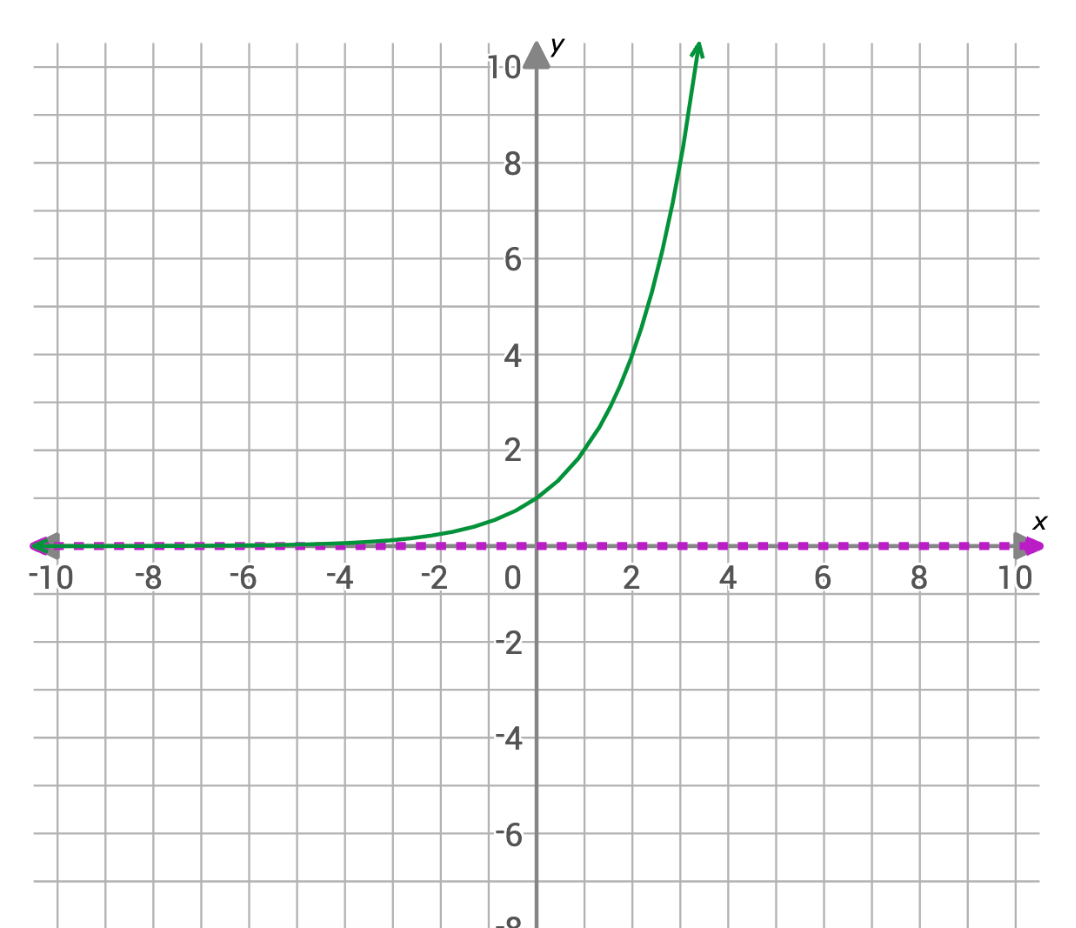
Exponential Function
400
Use the quotient rule and the negative exponent rule to simplify:
y^2/y^5
y^-3
400
sqrt (18x^2)
3x sqrt (2)
400
Subtract the following polynomials. Write your final answer in standard form.
(3x+2)-(11x-6)
-8x+8
400
Factor the given polynomial.
(x^2+7x+6)
(x+1)(x+6)
400
Is this relation a function? Why or why not?
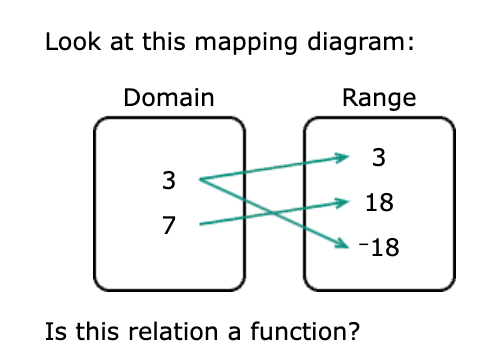
No, every input must have a unique output
500
Use the exponent rules to simplify:
(x^3)^3*(y^2)^-2
x^9/y^4
500
sqrt (75y^4 )
5y2 sqrt (3)
500
Subtract the following polynomials. Write your final answer in standard form.
(x^2-x+4)-(x^2+x-2)
-2x+6
500
Factor the polynomials.
(x^2+5x-24)
(x+8)(x-3)
500
What is the equation of the line?
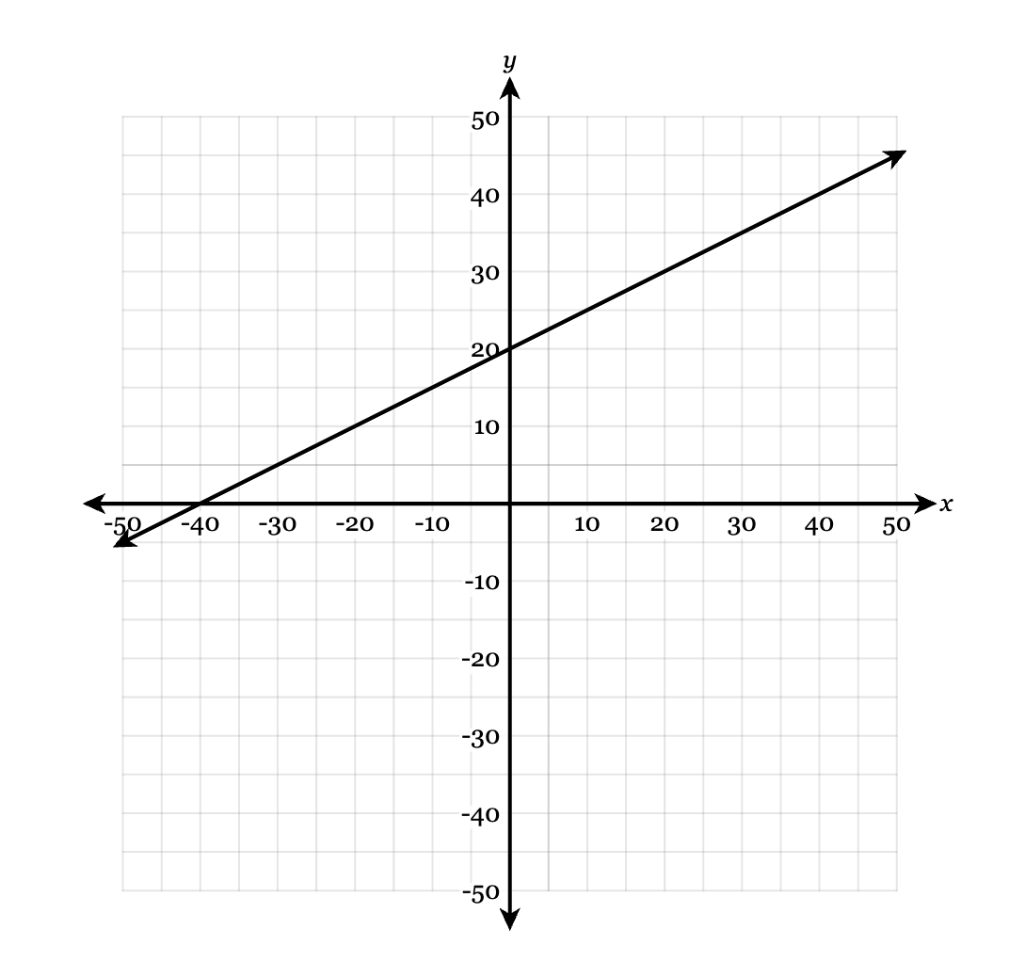
y = (1/2)x + 20