Symptoms and Signs
Medication Information
Brain Vs. Behavior
Therapies and Treatments
Mental Health Disorders
100
Persistent difficulty falling or staying asleep.
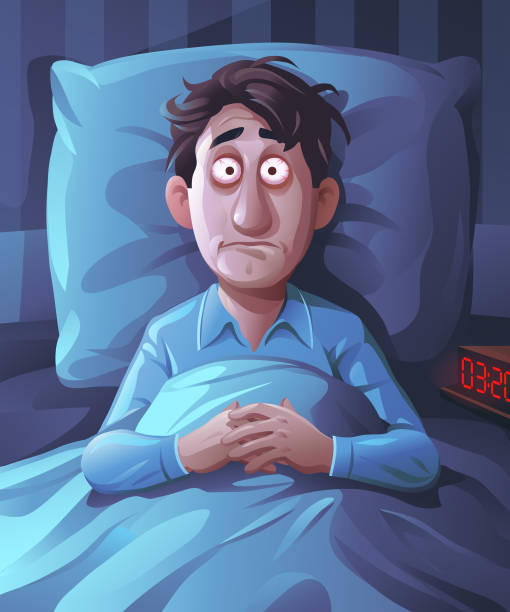
What is insomnia?
100
Medications used to help regulate mood swings and prevent extreme highs and lows.
Ex: Lithium, Depakote, Lamictal, Trileptal
What are mood stabilizers?
100
Mental health isn’t just about emotions—it also affects this everyday function that includes focus, memory, and decision-making.
What is cognition (or thinking)?
100
This type of therapy focuses on changing negative thought patterns.
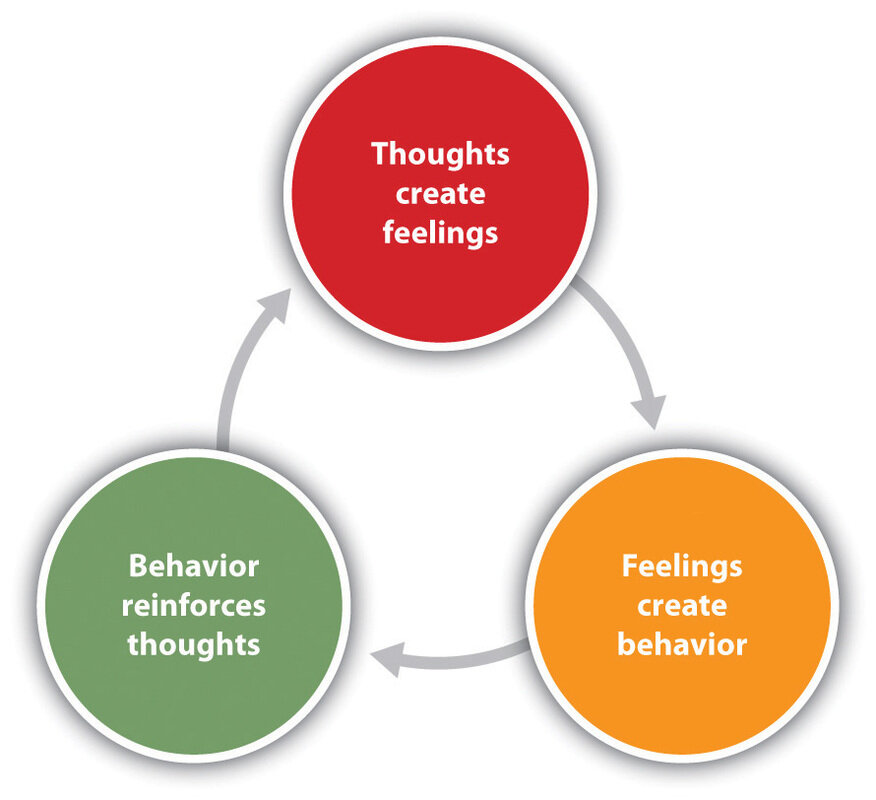
What is cognitive behavioral therapy (CBT)?
CBT (Cognitive Behavioral Therapy)
What it is:
Helps change negative thoughts → healthier thoughts → better behavior
Simple idea:
👉 “Thoughts affect feelings and actions”
Example:
- Thought: “I’m going to fail”
- CBT helps you change it to: “I can try my best, even if it’s hard”
- Result: less anxiety, more action
100
This disorder involves persistent and excessive worry about various aspects of life, often without a clear or specific cause, and is accompanied by physical symptoms such as restlessness and muscle tension.
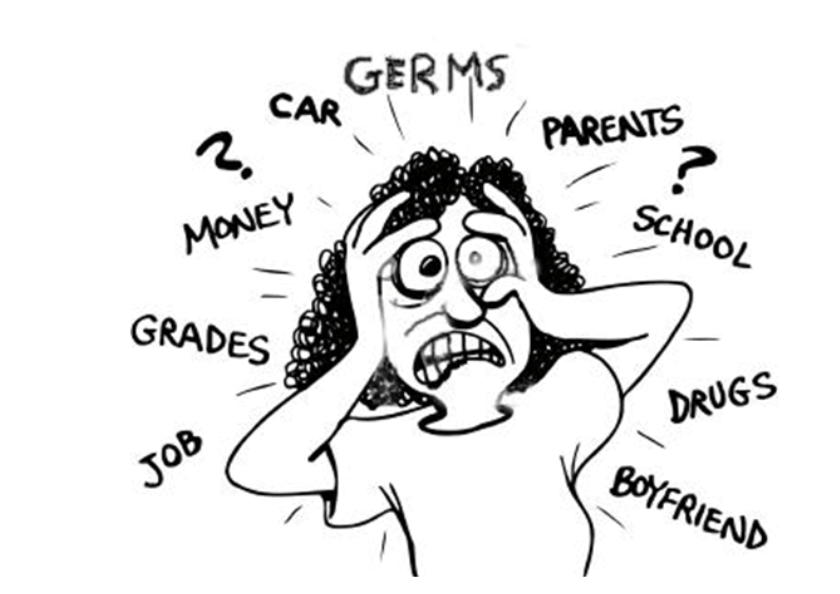
What is Generalized Anxiety Disorder (GAD)?
200
A sudden feeling of intense fear or discomfort that reaches a peak within minutes.
What is a panic attack?
200
This type of medication is primarily used to treat depression and anxiety by adjusting neurotransmitters like serotonin.
ex: Fluoxetine (Prozac), Sertraline (Zoloft), Escitalopram (Lexapro)
What are antidepressants?
200
This chemical helps regulate mood, sleep, and anxiety.
Serotonin — because low serotonin → depression and anxiety symptoms
200
This therapy integrates mindfulness and acceptance strategies with behavioral change techniques to treat borderline personality disorder.
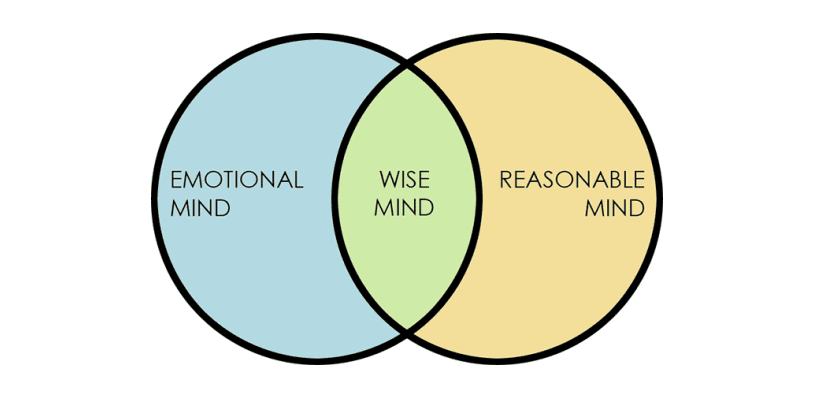
What is dialectical behavior therapy (DBT)?
What it is:
Helps with strong emotions, impulsive behavior, and distress tolerance
Simple idea:
👉 “Learn to calm intense emotions and not react impulsively”
Example:
- Feeling angry and wanting to self-harm or yell
- DBT skill: deep breathing, ice, or grounding (STOP skill)
- Result: emotion goes down before reacting
200
OCD is maintained by this cycle. Obsession to ....
What is the obsession → anxiety → compulsion → temporary relief → repeat cycle?
300
This symptom involves feeling disconnected from one's own thoughts, feelings, or sense of identity, and can manifest as feeling like one is observing themselves from outside their body.
What is depersonalization (or disassociation)?
300
SSRIs are usually prescribed for this type of disorder, characterized by persistent sadness and loss of interest.
What is depression (or major depressive disorder)?
MDD (Major Depressive Disorder) – Simple DSM-5 Criteria
To diagnose MDD:
- 5 or more symptoms
- Present for at least 2 weeks
- Represents a change from baseline
- Must include either depressed mood OR loss of interest
Symptoms (simple list):
- Feeling depressed or sad most of the day
- Loss of interest in things once enjoyed
- Sleep problems (too much or too little)
- Appetite or weight changes
- Low energy or fatigue
- Poor concentration or indecisiveness
- Feeling worthless or guilty
- Moving/restless or slowed down
- Thoughts of death or suicide
300
This chemical controls the body’s stress response (fight or flight).
Norepinephrine — because high levels → anxiety and panic
300
This therapeutic approach encourages patients to accept their thoughts and feelings while committing to behaviors aligned with their personal values, rather than trying to control or avoid internal experiences.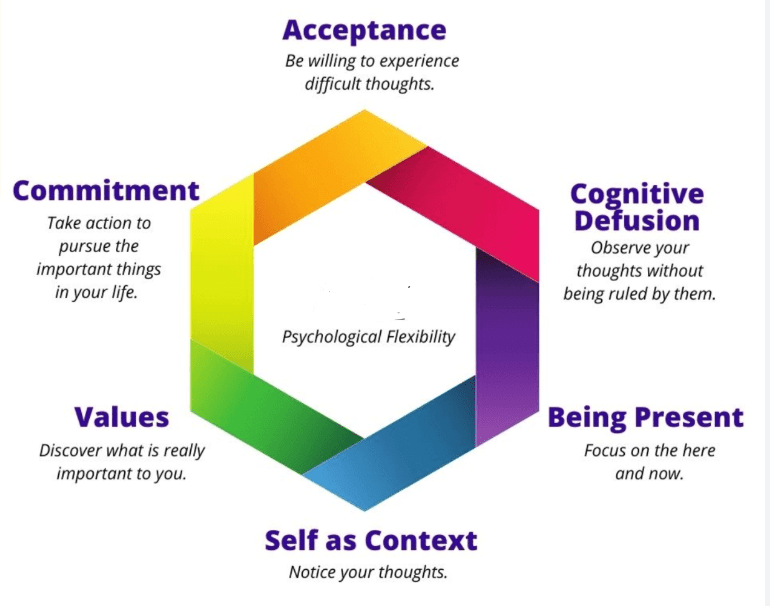
What is ACT?
ACT (Acceptance and Commitment Therapy)
What it is:
Teaches you to accept difficult thoughts/feelings instead of fighting them, and focus on values
Simple idea:
👉 “Don’t fight thoughts—let them exist and still move forward”
Example:
- Thought: “I feel anxious”
- ACT response: “I notice I feel anxious, but I can still go to class/work”
- Result: anxiety is present, but it doesn’t control behavior
300
A mental illness characterized by abnormal interpretation of reality, frequently including hallucinations and delusions.

What is schizophrenia?
400
This term describes a false belief, not based in reality, often seen in psychotic disorders.
What is a delusion?
400
Medications prescribed to treat distorted thinking, hallucinations, and delusions.
Ex: Haldol, Zyprexa, Vraylar, Abilify, Invega, Risperidone
What are antipsychotics?
400
ADHD stimulants increase these two chemicals.
Dopamine and norepinephrine — because ADHD is linked to low levels
Strattera (atomoxetine) → works mainly on norepinephrine (attention, focus, impulse control)
Ritalin (methylphenidate) → works on dopamine + norepinephrine (focus, motivation, alertness)
400
A therapy that helps clients process and resolve traumatic memories by using bilateral stimulation, such as eye movements or tapping.

What is Eye Movement Desensitization and Reprocessing (EMDR) therapy?
- You think about a traumatic memory
- While doing that, you follow side-to-side eye movements or tapping
- This helps the brain process the memory differently
EMDR helps the brain “reprocess” traumatic memories so they feel less painful over time.
400
A condition characterized by alternating periods of mania and depression.
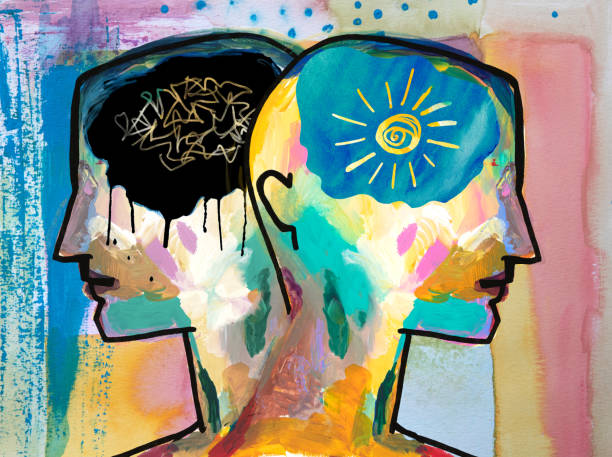
What is bipolar disorder?
500
Repetitive behaviors or mental acts that a person feels driven to perform in response to an obsession.
What are compulsions?
500
It usually takes this many weeks before SSRIs show their full therapeutic effect.
What is 4 to 6 weeks?
500
What does dopamine do in the brain?
Dopamine controls motivation, reward, focus, and movement. Low dopamine leads to low energy and poor attention, while high dopamine in certain areas can contribute to psychosis.
↑ Dopamine: Amphetamine, Methylphenidate (ADHD treatment)
↓ Dopamine: Risperidone, Olanzapine (antipsychotics)
500
This treatment uses magnetic pulses placed on the scalp to stimulate underactive areas of the brain involved in depression.
What is TMS (Transcranial Magnetic Stimulation)?
A machine places a magnetic coil on the scalp. It sends magnetic pulses into the brain. These pulses stimulate underactive brain areas involved in mood. Most commonly targets the prefrontal cortex (front of brain)
What it does in the brain
“Re-activates” brain circuits involved in:
- mood regulation
- motivation
- emotional control
“waking up” underactive parts of the brain
TMS is used when:
- antidepressants haven’t worked well
- depression is treatment-resistant
- medication side effects are too strong
Tx
- Done in a clinic (no anesthesia)
- About 20–40 minutes per session
- Usually 5 days per week for 4–6 weeks
- Patient is awake the whole time
500
This disorder is characterized by unstable relationships, self-image, and emotions, often with impulsive behavior and intense episodes of anger.
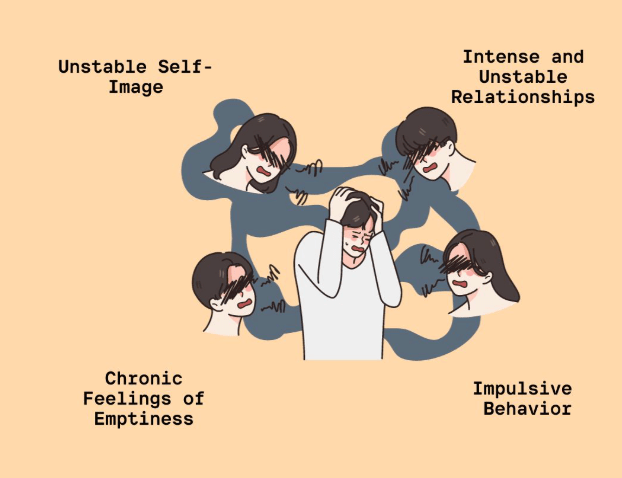
What is Borderline Personality Disorder(BPD)?