Foam
Partyyyyy
Partyyyyy
As an ARFF truck approaches an aircraft fire, it can begin discharging agent from a distance using a _________ stream from a turret.
What is: straight stream
As the distance diminishes, you can adjust the stream pattern to avoid overshooting
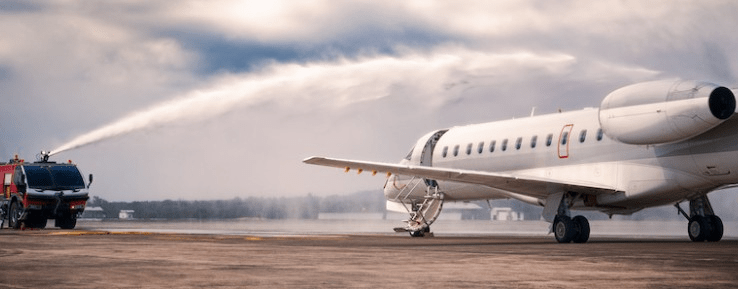
Ref: pg 301 ARFF 6th Edition
You should do this before opening the nozzle of a wheeled dry chemical unit
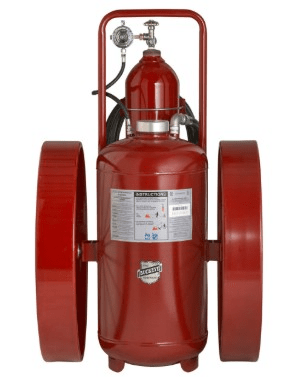
What is:
-fully stretch out hose
-allow a few seconds to fully pressurize tank from external gas supply
Ref: pg 371 ARFF 6th Edition
_________ are effective for fires involving aircraft engines, electronic gear, and other complex equipment because they easily penetrate inaccessible areas and have good flooding characteristics
What are halons
Ref: pg 308 ARFF 6th Edition
True or false: Water is an excellent conductor of electricity
What is TRUE
Take precautions to avoid electrical shock around energized equipment, this means widening your pattern (fog 30 degree or more) to reduce conductivity
A primary agent is designed for mass application, whereas a complimentary agent is compatible and used in conjunction with a primary agent.
One example of a complimentary agent is:
What is: (name one)
-dry chem
-CO2
-clean agents (Halon)
Ref: pg 282 ARFF 6th Edition
Generally, the runoff from foam can have negative impacts on the environment. ARFF personnel should take this precaution/action when using it

What is:
1. Use the minimum amount of foam needed
2. Confine and recover foam runoff
True or false:
All dry chemical agents are nonconductive, making them suitable for use on energized electrical equipment
What is TRUE.
However, these agents can cause damage to electrical equipment and should be used as a last resort.
Halon or CO2 should be used on electrical equipment or aircraft engines if possible
Ref: pg 303 ARFF Handbook 6th Edition
This is why halons are being phased out
What is because it depletes the O-Zone layer/bad for the environment
Ref: pg 308 ARFF 6th Edition
True or false: water can push burning fuel away from an aircraft so a rescue can be attempted AND can potentially increase the size of a Class B fuel fire
What is TRUE
Both outcomes are possible, so this must be considered when using only water as an extinguishing agent. Be mindful of where you are pushing fuel.
You must do this to fuel-saturated areas to prevent flashback (re-ignition of fuel or vapors)
What is cover with foam and reapply as necessary to maintain foam blanket
True or false: foam can be mixed with fresh water, brackish water, or saltwater
What is TRUE
You can use foam & draft if necessary
Ref: pg 290 ARFF 6th Edition
The terms 'dry chem' and 'dry powder' are often incorrectly used interchangeably.
Dry chem agents are used for Class A, B or C fires, whereas dry POWDER agents are used for Class __ fires only.
What is Class D fires
Class D DRY POWDER is for combustible metals such as magnesium, titanium, and aluminum
Adding DRY CHEM can cause a violent reaction or intensify the fire as the chemicals work as fuel for the fire
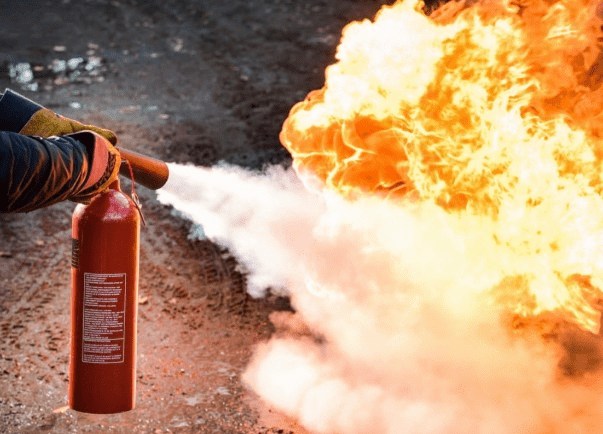
Ref: pg 303 ARFF Handbook 6th Edition
True or false: halogenated vapor conducts electricity
What is FALSE
Halons are non-conductive and safe to use on energized equipment
Ref: pg 308 ARFF 6th Edition
In what ways can water (alone) can be used on an aircraft fire:
What are: (name one)
- Cooling the aircraft fuselage
- Cooling hot pieces of wreckage
- Providing a heat shield for passengers and ARFF personnel
- Controlling spot fires
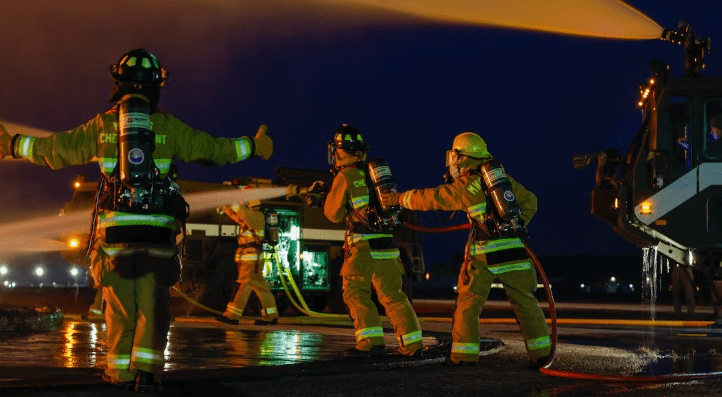
Ref: pg 283 ARFF 6th Edition
This person turned 32 last week
Who is Trevor
Name 2 of the 4 ways foam extinguishes fires
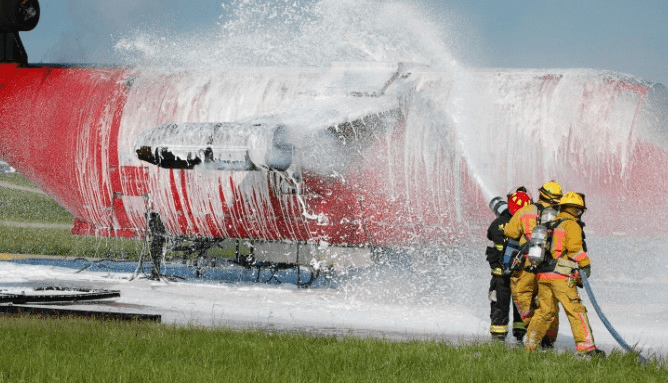
What are:
- Separating (Creates barrier between fuel & fire)
- Cooling (lowers temp of fuel/adjacent surfaces)
- Smothering (prevents air from reaching fuel)
- Penetrating (lowers surface tension of water and allows it to penetrate Class A materials)
Ref: pg 283 ARFF 6th Edition
Fires in wheel wells, engine nacelles, and compartments are considered "specialized fires" and can use _________ as the primary extinguishing agent
What is dry chem
Ref: pg 281 ARFF 6th Edition
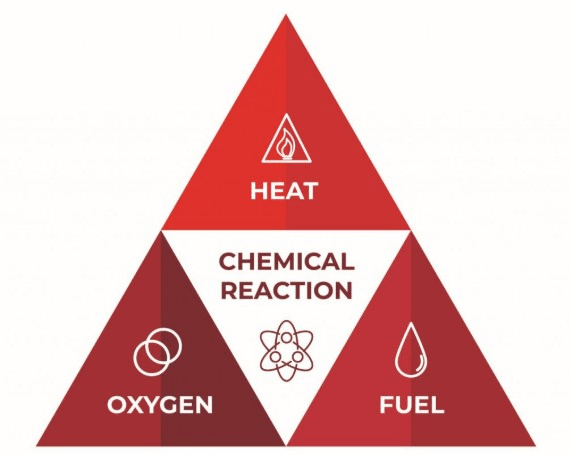
This how halons extinguish fire (method)
It chemically interrupts/inhibits the chain reaction of combustion
Ref: pg 308 ARFF 6th Edition
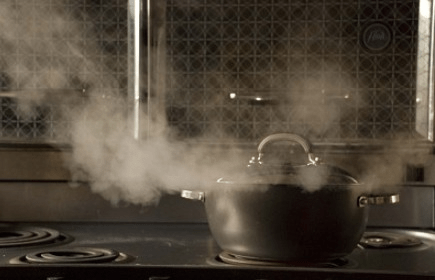
This is one inherent hazard when using water on the interior of an aircraft (since water extinguishes by absorbing heat)
What is: it can create steam and completely fill up confined/unventilated spaces which can cause significant steam burns to occupants and ARFF personnel
Ref: pg 283 ARFF 6th Edition
This is the self-proclaimed "best skier" on Green Team?
Who is Paul Buckingham
This is the difference between aspirating and non-aspirating foam nozzles
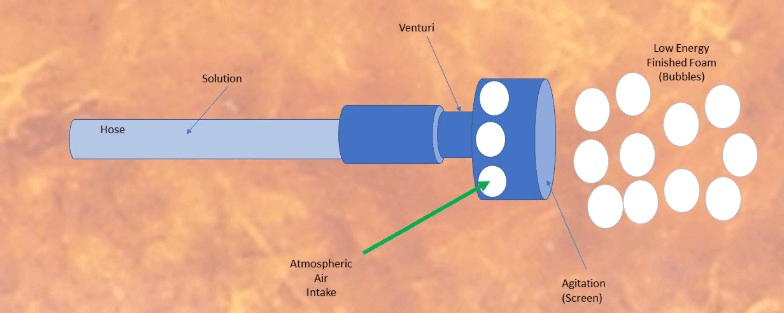
WHAT IS: Aspirating nozzles produce a longer-lasting foam, but doesn't reach as far. Air is pulled in through sides of the nozzle and agitated within.
Non-aspirating or "regular" fog nozzles mix air with the foam solution "in flight" which allows for a farther reach, but reduced foam effectiveness
When discharged into a fire, dry chemicals inhibit the fire's chemical chain reaction, thereby extinguishing the agent.
Dry chem agents are extremely effective for hydrocarbon fuel fires such as:
What are: (name one)
- Three-dimensional fires
- Running fuel fires
- Hydraulic fires
Ref: pg 302 ARFF Handbook 6th Edition
What mode does the Red 3 piercing nozzle need to be in to expel halon extinguishing agent?
What aux agent + pierce (piercing tip) or volume (turret)
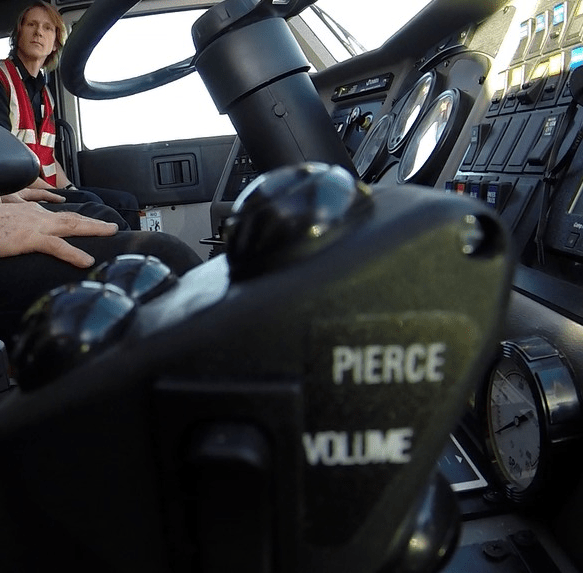
Ref: Paul Swann
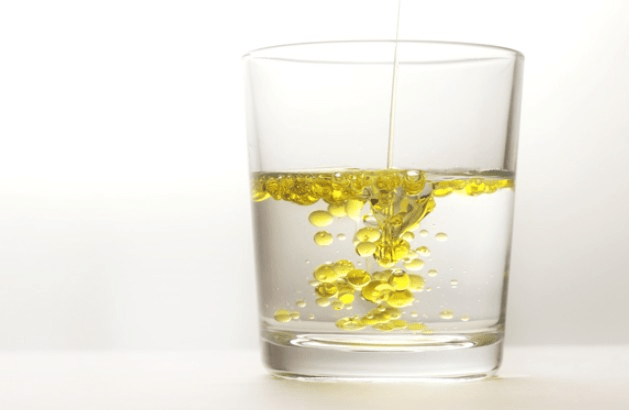
Most aircraft & vehicle fuels are hydrophobic. Hydrophobic means:
What is: incapable of mixing with water
Out of Amanda and Charity, this person is most likely to win in a fight or boxing match

Who is Charity