Color Theory
Great Works of Art
Art Before Rome
The Renaissance
Formal Elements
100
These colors cannot be created through the mixture of any two other colors.
Primary Colors.
100
This multi-figure painting is perhaps Da Vinci's most influential work.
The Last Supper.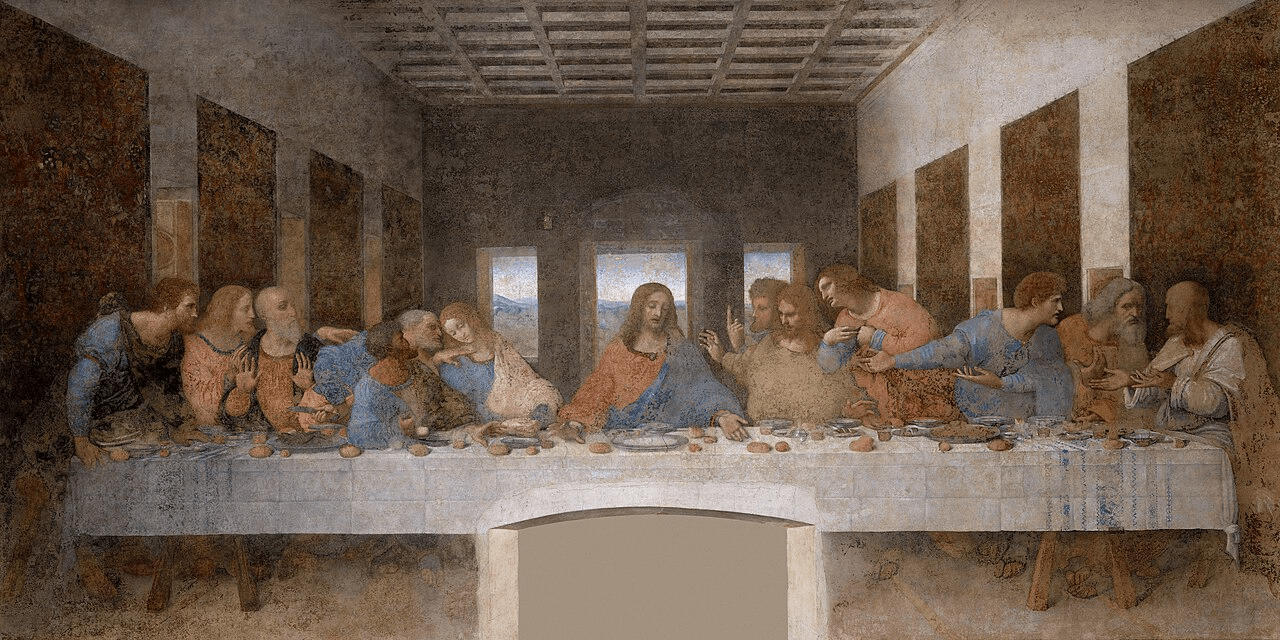
100
Akkad, Sumer and Babylon are all important city states during this art historical period.
Mesopotamia
100
The art historical term used to describe the art works of mostly German, Flemish and Dutch artists during the time of Michelangelo and Da Vinci.
Northern Renaissance
100
A basic element that typically defines the edges of forms often described as a "point that goes for a walk".
Line
200
In a work of art, these colors tend to recede into the space.
cool colors.
200
Depicting several figures from Greek Mythology, this painting is considered Botticelli's greatest work.
The Birth of Venus.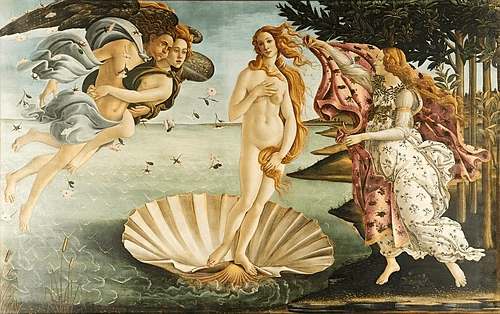
200
This sealed cave containing hundreds of paintings was discovered by explorers searching for air vents alongside a cliff in Southeastern France.
Chauvet Cave
200
This early Greek philosophical tenet was "reborn" during the Renaissance.
Humanism
200
In art, the relative size of one portion of a form to other parts of the form.
Proportion
300
These colors are mixtures between the primary and secondary colors.
tertiary colors.
300
This Doric temple sits prominently upon the Acropolis and is a monument of Athenian power and culture.
The Parthenon.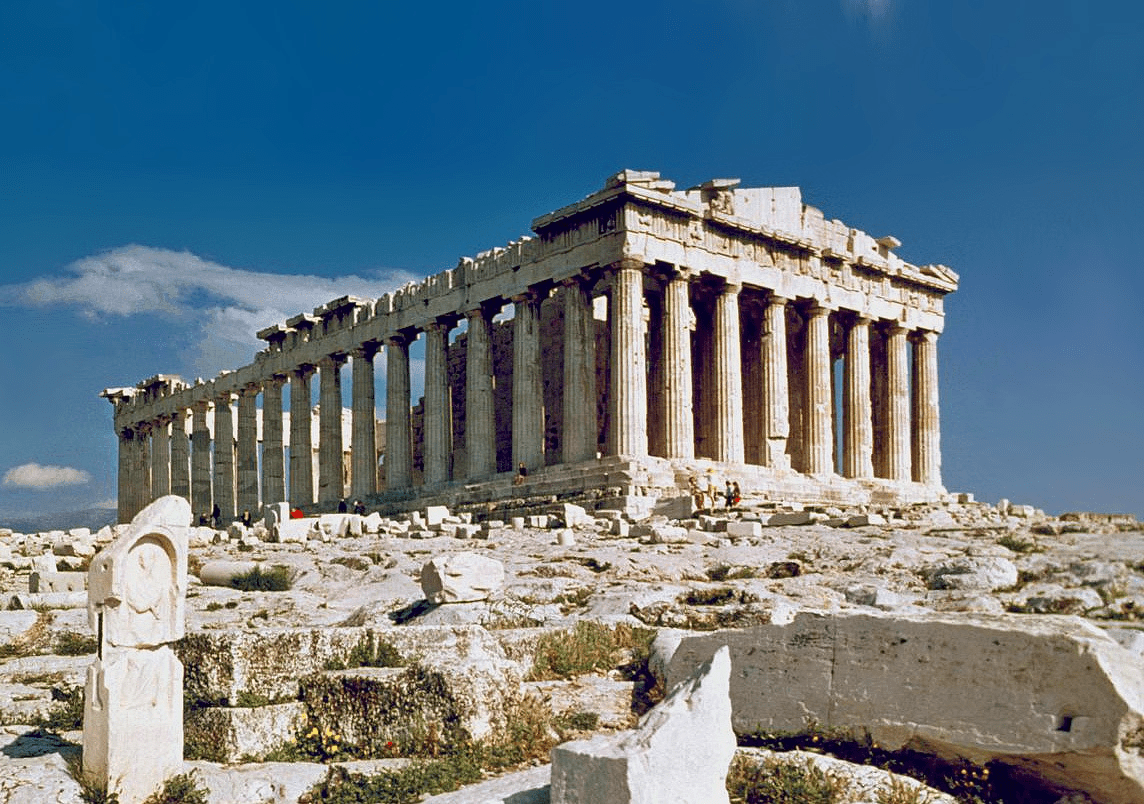
300
This Neolithic structure of standing stones is one of the most famous landmarks in the UK.
Stonehenge
300
Along with his brother, this painter is credited with the "invention" of artists oil paints.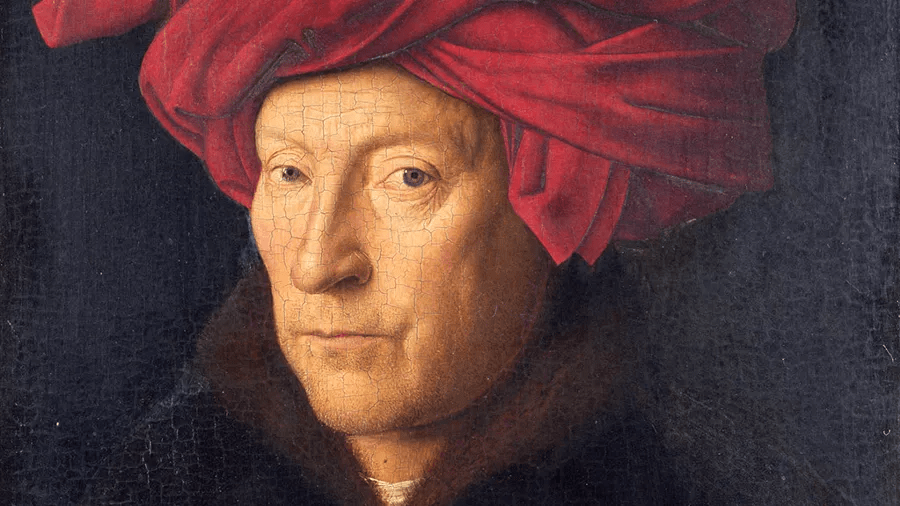
Jan van Eyck
300
When distant objects become more blue in a landscape it is a tenet of this spatial technique. 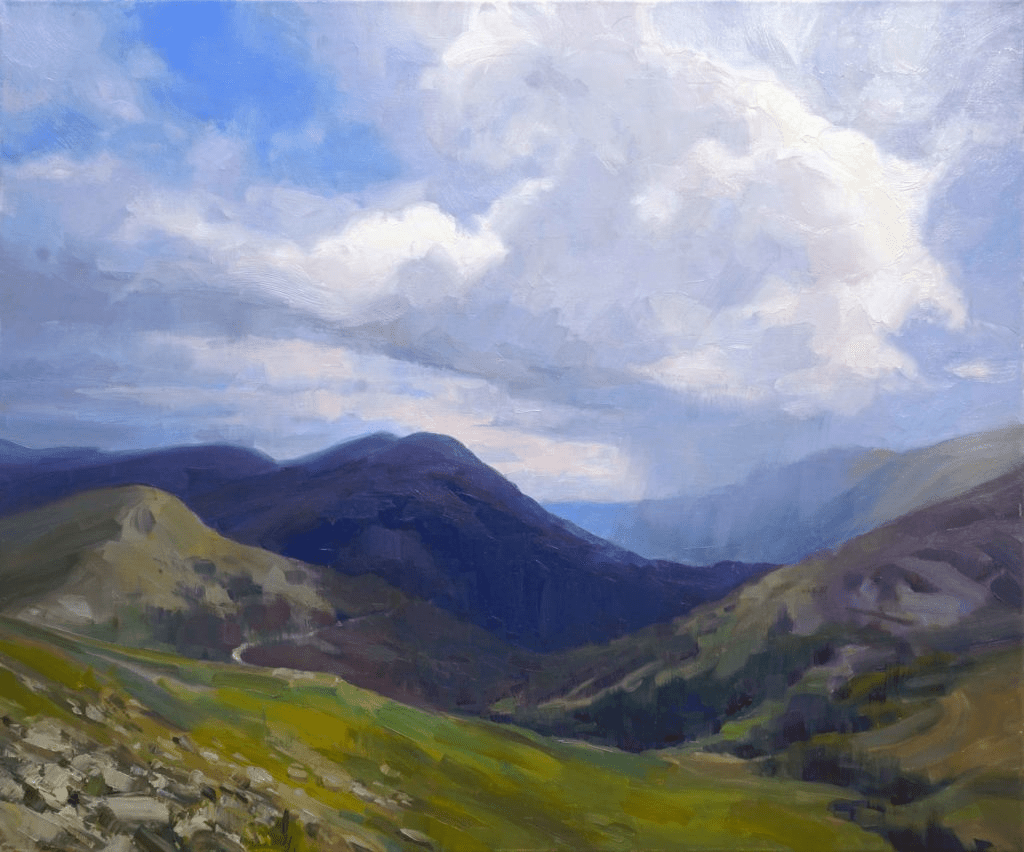
Atmospheric or Aerial Perspective
400
In the additive model of color, mixing the 3 primaries results in this color.
white.
400
This large scale Picasso painting called attention to the atrocities of the Spanish Civil War.
Guernica.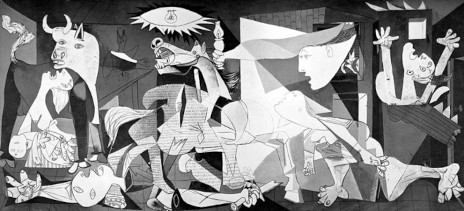
400
These standing male nude statues are examples of this early Greek period.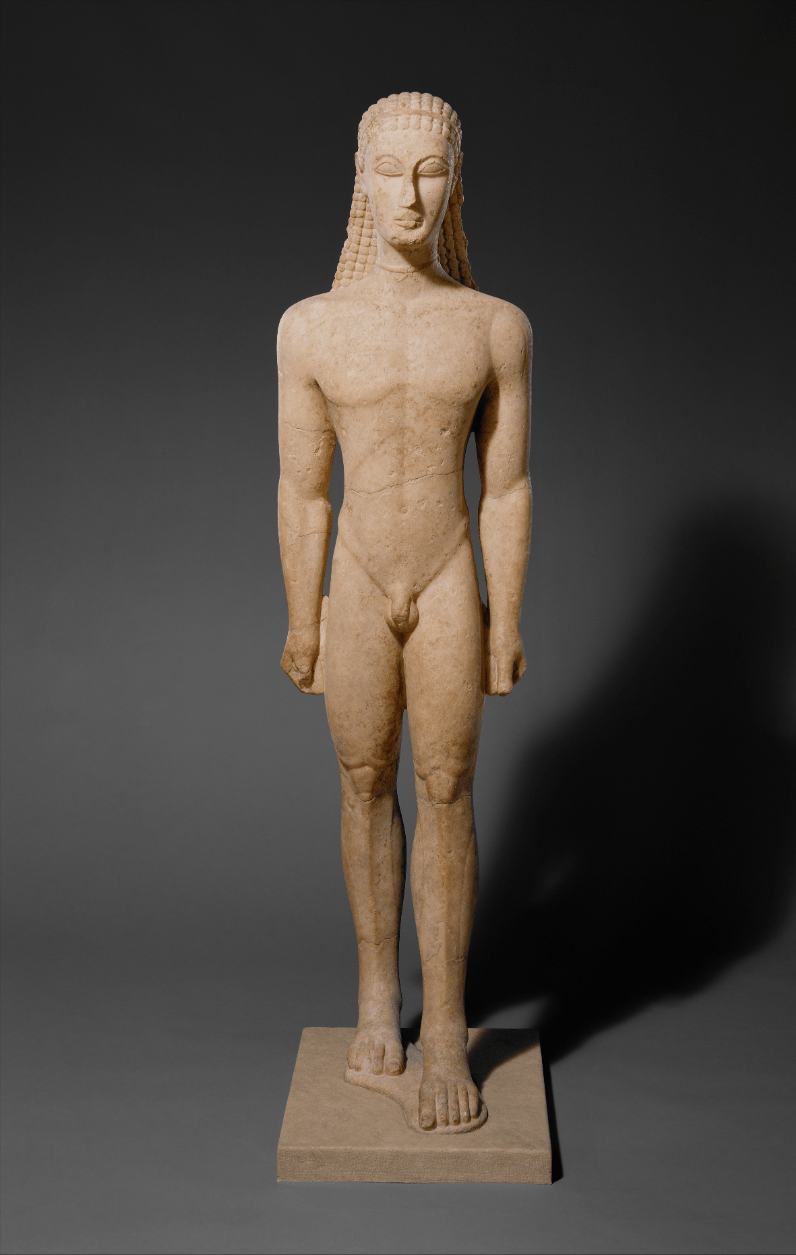
Archaic
400
This city is considered the heart of the Renaissance.
Florence
400
The relative lightness and darkness of things within an artform, often created by hatching or shading.
Value
500
This Swiss theorist codified, diagrammed, and expanded on Newton's initial color wheel.
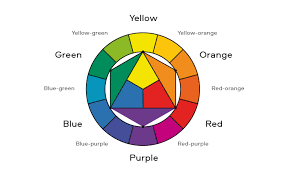
Johannes Itten.
500
This stunning home created by Frank Lloyd Wright embraces the natural forms of the stream upon which it sits.
Fallingwater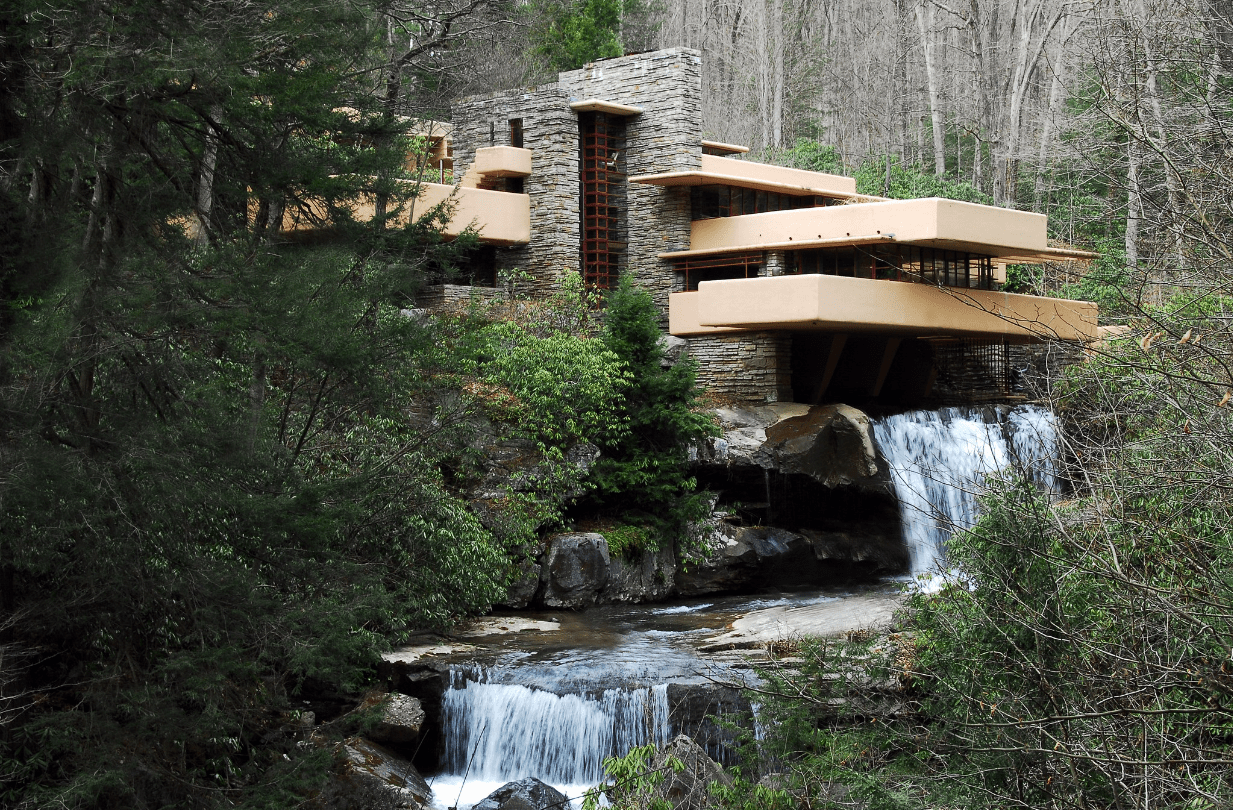
500
These sculptures are first seen in ancient Mesopotamia and are the forerunner of contemporary tombstones.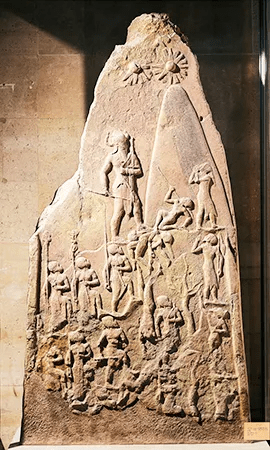
Stele
500
This Italian family used their wealth to sponsor artists such as Michelangelo and Donatello.
The Medici Family
500
Repetitive areas of colors and/or forms in a work of art are often said to possess this musical quality.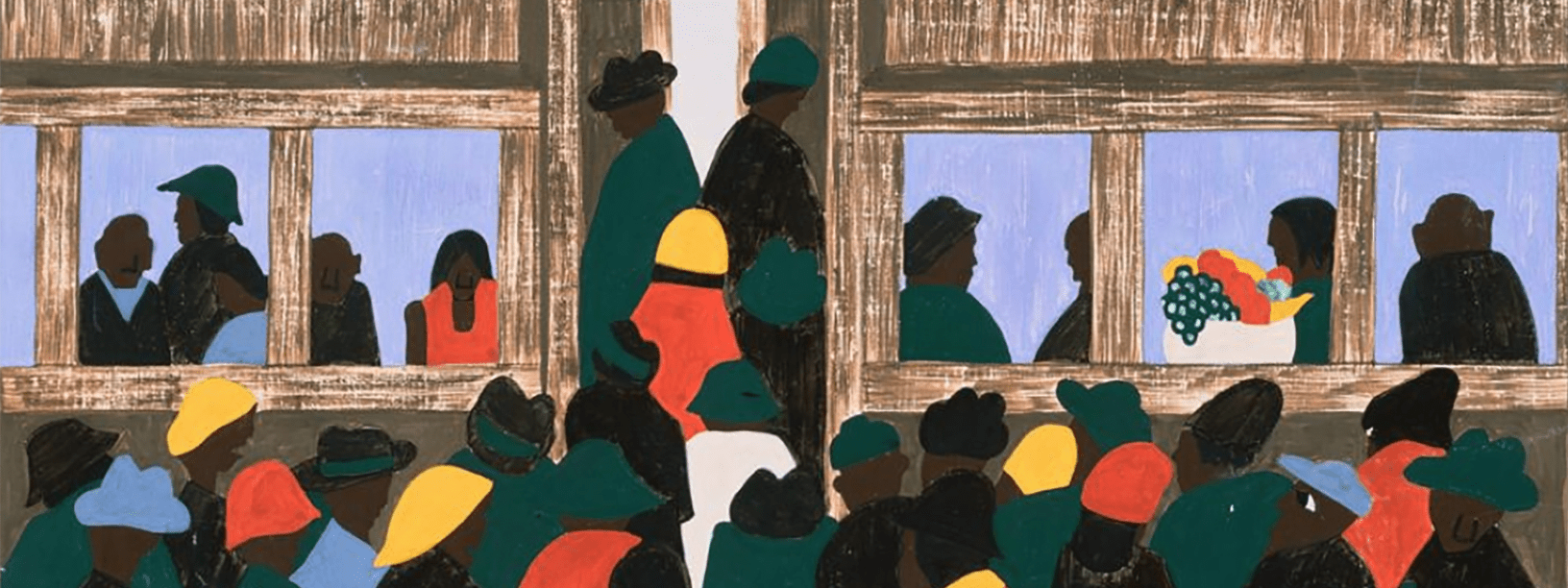
Rhythm