Prevention and Immunity
Cardiac and Vascular
Respiratory
Neuro and MSK
ALL inclusive
100
What are the three levels of prevention? Give an example of each.
What are the three levels of prevention? Give an example of each.
Primary (vaccines/education), Secondary (screenings/early detection), Tertiary (rehab/managing existing disease).
100
A patient in cardiac arrest has these ABG values: Interpret this ABG: pH 7.28, PaCO2 55, HCO3 24. What is the acid-base imbalance?
Interpret this ABG: pH 7.28, PaCO2 55, HCO3 24. What is the acid-base imbalance?
Respiratory acidosis (pH low, CO2 high, HCO3 normal — uncompensated).
100
A patient has crackles, orthopnea, and pink frothy sputum. What is the likely diagnosis and underlying cause?
Pulmonary edema, likely from left heart failure. Increased pulmonary capillary pressure forces fluid into alveoli.
Is this atelectasis or pneumothorax?
100
Differentiate ischemic from hemorrhagic stroke
Ischemic (80%): thrombus/embolus occludes cerebral artery → infarction. Hemorrhagic: blood vessel ruptures → bleeding into brain. tPA only for ischemic.
100
A patient with a crush injury develops dark cola-colored urine. What is happening and what is the risk?
Rhabdomyolysis — myoglobin released from damaged muscle → kidneys → can cause acute kidney injury/renal failure.
200
During the stress response, which branch of the ANS activates? What hormones are released?
Sympathetic NS activates. Epinephrine and norepinephrine are released (catecholamines). Cortisol released via HPA axis.
Fight or Flight
- The HPA axis stands for the hypothalamic-pituitary-adrenal axis, a critical stress response system.
- Stress triggers the hypothalamus to release corticotropin-releasing hormone (CRH).
- CRH stimulates the pituitary gland to secrete adrenocorticotropic hormone (ACTH).
- ACTH travels through the bloodstream to the adrenal glands, prompting cortisol release.
- Cortisol helps regulate metabolism, immune response, and stress management.
200
Name the three types of anemia and their key causes.
Iron-deficiency (low iron/blood loss), Pernicious/B12 deficiency (lack of intrinsic factor), Sickle-cell (abnormal red blood cells).
200
Name 4 adventitious lung sounds and their clinical associations.
Crackles (fluid/HF/pneumonia), Wheezes (asthma/obstruction), Rhonchi (mucus), Stridor (upper airway obstruction).
200
Compare osteoarthritis and rheumatoid arthritis.
Compare osteoarthritis and rheumatoid arthritis.
OA: 'wear and tear' (cartilage loss), affects weight-bearing joints, worse with activity, Heberden's nodes. RA: autoimmune/systemic, symmetric joint involvement, morning stiffness >1hr, rheumatoid factor positive.
Swan neck deformity?
200
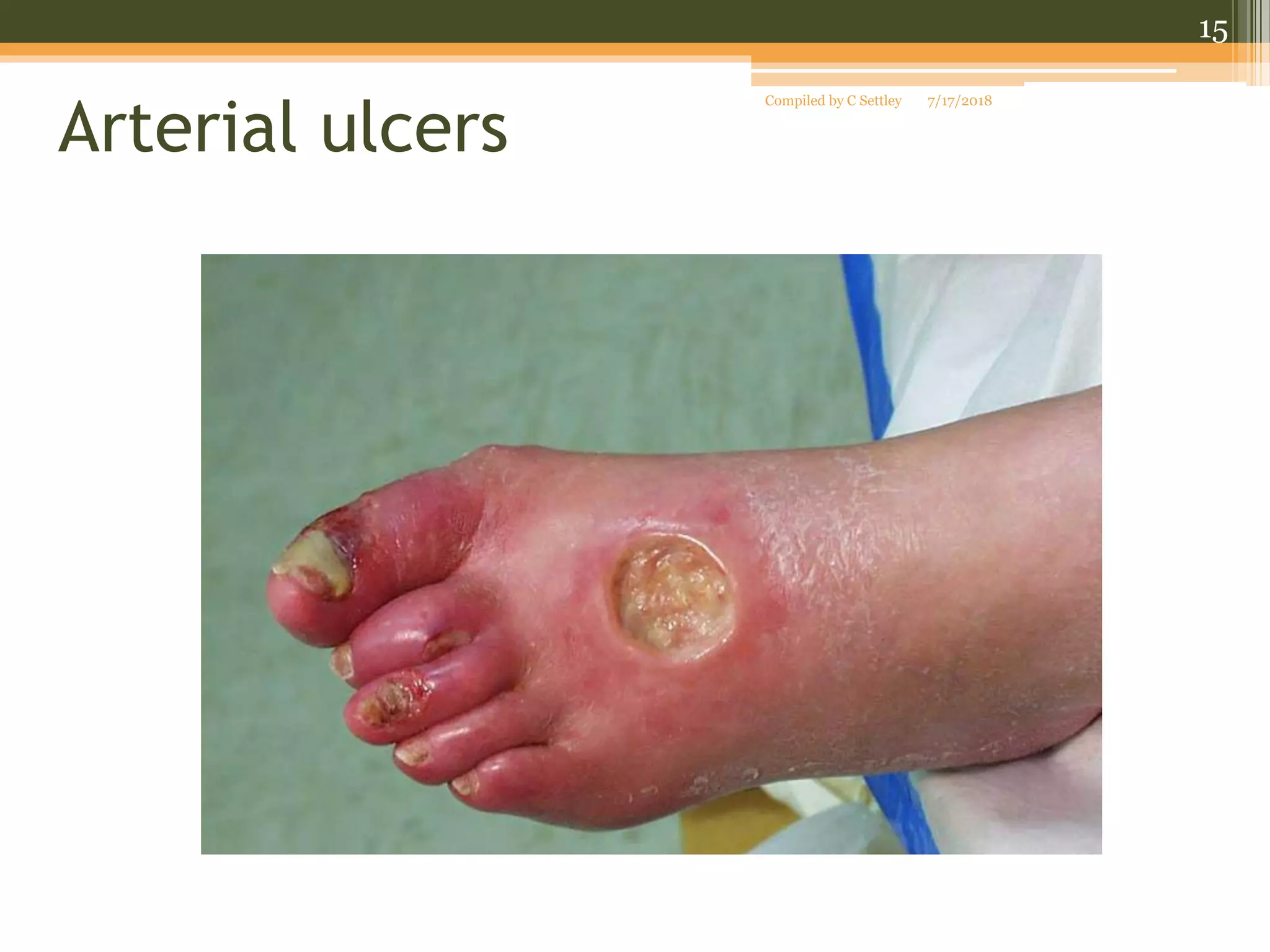
Compare arterial vs. venous insufficiency in terms of pain, skin appearance, and ulcer location.
Arterial: intermittent claudication, hairless/shiny skin, pale/cool, punched-out ulcers on toes.
Venous: aching, edema, brown pigmentation, ulcers above medial malleolus.

300
Differentiate morbidity from mortality.
Differentiate morbidity from mortality.
Morbidity = rate of disease/illness in a population. Mortality = rate of death. Morbidity does not imply death.
EXAMPLES:
- Morbidity: Chronic diseases like diabetes can lead to long-term health complications.
- Morbidity: Mental health disorders, such as depression, significantly impact daily functioning.
- Mortality: Heart disease remains a leading cause of death worldwide.
- Mortality: Cancer, particularly lung and breast cancer, contributes to high mortality rates.
- Morbidity: Infectious diseases, like HIV/AIDS, can lead to prolonged illness and complications.
- Mortality: Accidents, including car crashes, are a significant cause of premature death.
300
How does calcium affect muscle contraction? What happens in hypocalcemia?
Ca2+ binds troponin, enabling actin-myosin cross-bridging.
- Troponin is a protein complex that regulates muscle contraction in cardiac and skeletal muscles.
- When calcium ions bind to troponin, it causes a change in the troponin-tropomyosin complex.
- This change exposes binding sites on actin filaments, allowing myosin heads to attach and initiate contraction.
- Elevated troponin levels in the blood indicate myocardial injury or stress, often due to ischemia.
- Troponin binding is crucial for the heart's ability to contract effectively and respond to physiological demands.
- In pathological conditions, such as myocardial infarction, troponin release into the bloodstream serves as a biomarker for diagnosis.

Hypocalcemia causes tetany, muscle cramps, Chvostek's/Trousseau's signs.
300
Compare asthma, chronic bronchitis, and emphysema. Which two form COPD?
Asthma: reversible airway inflammation. Chronic bronchitis: productive cough >3 months/year × 2 years (COPD). Emphysema: alveolar destruction, barrel chest (COPD).
300
Trace the path of a reflex arc from stimulus to response.
Stimulus → sensory (afferent) neuron → interneuron (spinal cord) → motor (efferent) neuron → effector (muscle/gland) → response.

300
A patient with chronic alcohol use presents with jaundice, ascites, and asterixis. What is happening and why?
Liver cirrhosis → portal hypertension (ascites), decreased albumin, bile backup (jaundice). Asterixis suggests hepatic encephalopathy from ammonia buildup.
400
Compare active vs. passive immunity. Which provides longer protection?
Compare active vs. passive immunity. Which provides longer protection?
Active immunity = body makes its own antibodies (infection or vaccine), long-lasting. Passive immunity = antibodies transferred (breast milk, IgG injection), short-lived.
.PNG)
400
Compare the effects of the sympathetic vs. parasympathetic nervous system on heart rate and digestion.
Sympathetic: ↑ HR, ↓ digestion ('fight or flight'). Parasympathetic: ↓ HR, ↑ digestion ('rest and digest').
400
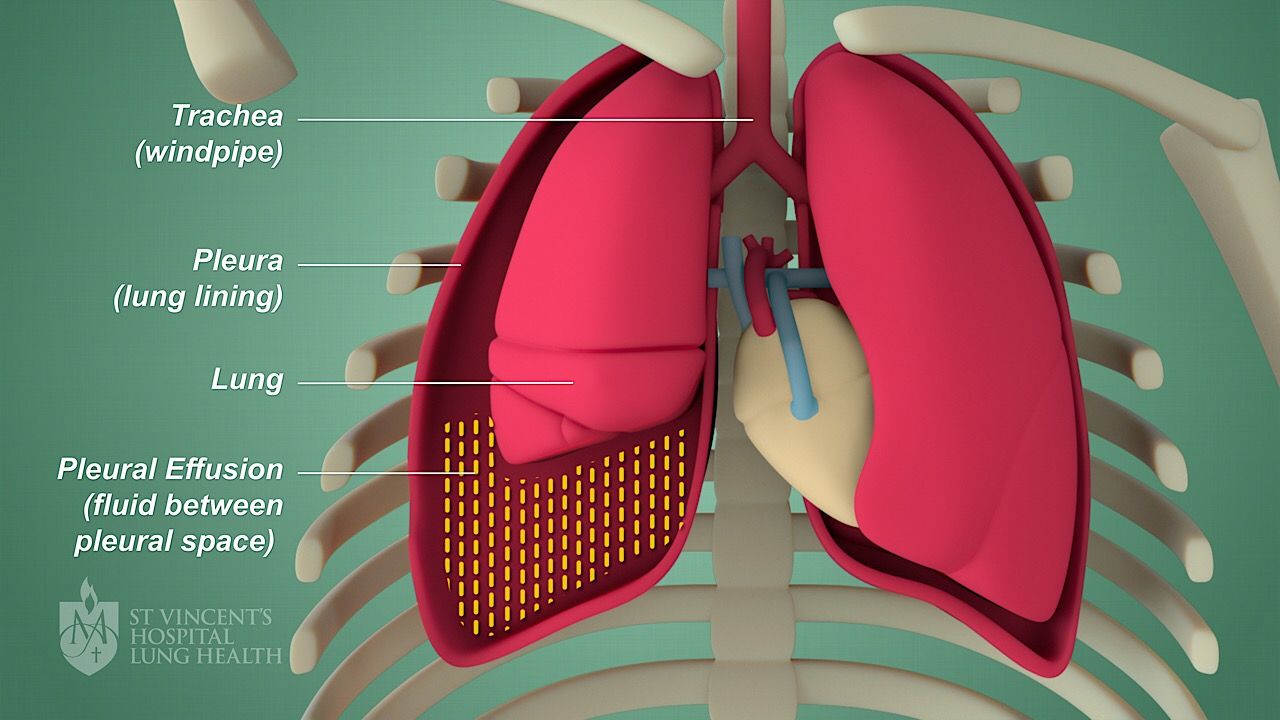
Distinguish aspiration pneumonia from pleural effusion.
Aspiration: foreign material enters airways → infection/inflammation.
Pleural effusion: fluid accumulation in pleural space → dull percussion, decreased breath sounds.
400
Compare Alzheimer's and Parkinson's disease in terms of pathophysiology and hallmark signs.
Alzheimer's: amyloid plaques/tau tangles, memory loss, confusion. Parkinson's: dopamine-producing neuron loss, tremor at rest, rigidity, bradykinesia.
400
A client with pneumonia has a PaO₂ of 60 mmHg. When the nurse administers supplemental O₂, the PaO₂ improves to 90 mmHg. This response is most consistent with which V/Q abnormality? WHAT is V/Q mismatch?
Low V/Q mismatch (responds to supplemental O₂)
relationship between the amount of air reaching the alveoli (ventilation) and the flow of blood in the surrounding capillaries (perfusion).
500
A patient with a known bee allergy is stung and develops stridor, hypotension, and urticaria. What is the priority intervention?
A patient with a known bee allergy is stung and develops stridor, hypotension, and urticaria. What is the priority intervention?
Anaphylaxis — administer epinephrine IM immediately (thigh), position supine, call emergency services.
What is the difference from an allergic anaphylaxis and asthma attack?
500
Describe the pathophysiology of a myocardial infarction. Which coronary artery is most commonly occluded?
Atherosclerotic plaque ruptures → thrombus occludes coronary artery → ischemia → myocyte death. LAD ('widow maker') most common.
500
A client with COPD is admitted with worsening dyspnea. The nurse notes that the client's breathing is driven by hypoxia rather than hypercapnia. What is the pathophysiologic basis for this finding?
Chronic CO₂ retention blunts central chemoreceptors (hypoxic drive)
500
What is compartment syndrome? What is the hallmark finding and priority intervention?
Pressure builds in fascial compartment → compromised perfusion. 6 P's (Pain out of proportion, Pressure, Paresthesia, Pallor, Paralysis, Pulselessness). Emergency fasciotomy.
500
Differentiate a sprain, strain, and fracture.
Sprain = ligament tear. Strain = muscle/tendon tear. Fracture = bone break. All may present with pain, swelling, and limited mobility.