Pronombres de sujeto y el verbo ser
Los verbos -AR
Ir+a+infinitivo
Verbos con cambio de raíz e->ie/e->i
Ser vs. estar
Los verbos reflexivos
100
Which of the following would you NOT use tú with and why?
a. un niño
b. un policía
c. mamá
d. un amigo
b. un policía, because tú is informal and it's polite to speak formally to a police officer
100
Choose the correct way to complete the sentence. "Mi esposo..."
a. baila bien
b. bailo bien
a. baila bien
100
Use ir+a+infinitive to describe what I am going to do at the location given.
Yo estoy a la librería. ¿Qué voy a hacer?
Voy a comprar un libro.
100
Complete the sentence with the correct conjugation of querer. "Mi esposo y yo __________ (querer) comprar una cama."
queremos
100
Which of the following is NOT a reason to use ser?
a. relationship
b. emotion
c. description
d. origin
b. emotion
100
List at least five of the six reflexive pronouns.
me, te, se, nos, os, se
200
What pronoun would we use to refer to Lola, Ana, Sara, and Luis as a group and why?
ellos, because it's third-person plural and the presence of Luis (a man) means we default to the masculine pronoun
200
Complete the sentence with the correct conjugation of viajar. "La familia __________ (viajar) a Bariloche, Argentina."
viaja
200
Use the picture and ir+a+infinitive to describe what the person will do.

Él va a asistir a clase.
200
Complete the sentence with the correct conjugation of pensar. "Mi hermana __________ (pensar) leer un libro en el patio a las dos y media."
piensa
200
Select all of the possible ways to complete the sentence "Yo estoy..." and explain why/why not.
a. cansada
b. en clase ahora
c. estudiante
d. enamorado
cansada (emotion), en clase ahora (location), enamorado (emotion
estudiante no (profession/description)
200
Conjugate acostarse to the yo form. "Los fines de semana yo __________ (acostarse) a la medianoche.
me acuesto
300
How would you say "Maite and I are hardworking" in Spanish?
Maite y yo somos trabajadores.
300
¿Trabajas tú?
Sí, yo trabajo. / No, yo no trabajo.
300
¿Qué vas a hacer mañana a las ocho de la mañana?
A las ocho de la mañana, voy a...
300
Conjugate two of these four verbs to the yo form.
a. servir
b. querer
c. sonreír
d. mentir
a. sirvo
b. quiero
c. sonrío
d. miento
300
What is the difference between the questions "¿Cómo estás?" and "¿Cómo eres?"
"¿Cómo estás?" is asking about emotions, while "¿Cómo eres?" is asking for a physical/personality description
300
¿A qué hora te despiertas de lunes a viernes? ¿Y los sábados o domingos?
Lunes a viernes, yo me despierto a las... Y los sábados o domingos, yo me despierto a las...
400
Give me at least five of the six conjugations of ser.
yo soy, tú eres, él/ella/usted es, nosotros/nosotras somos, vosotros/vosotras sois, ellos/ellas/ustedes son
400
Compare what people do in Spanish-speaking countries with what we do here in the United States. Use "nosotros" to refer to us as Americans.
Los argentinos hablan español. Nosotros...
hablamos inglés
400
¿Qué vas a hacer esta noche? Include two activities.
Esta noche, voy a... y...
400
¿Dónde prefieres estudiar?
Prefiero estudiar en...
400
List at least three of the reasons to use "ser."
day/date, time, relationship, description, profession, nationality, origin, possession
400
What is the difference between "despierta" and "se despierta"?
"Despierta" involves waking someone else up, and "se despierta" involves someone waking themselves up
500
Tell me where you're from.
Soy de...
500
Describe the photo using an -AR verb.

Los amigos toman café.
500
Imagine that you are planning a vacation. ¿Adónde vas a ir?
Voy a ir a...
500
¿Enciendes la tele por la noche? ¿Qué te gusta mirar?
Sí, enciendo la tele por la noche. / No, yo no enciendo la tele por la noche. Me gusta mirar...
500
Describe this photo with two sentences. Use "estar" in one and "ser" in the other.

answers will vary
500
Describe this photo in Spanish. Does the verb have to be reflexive? Why or why not?
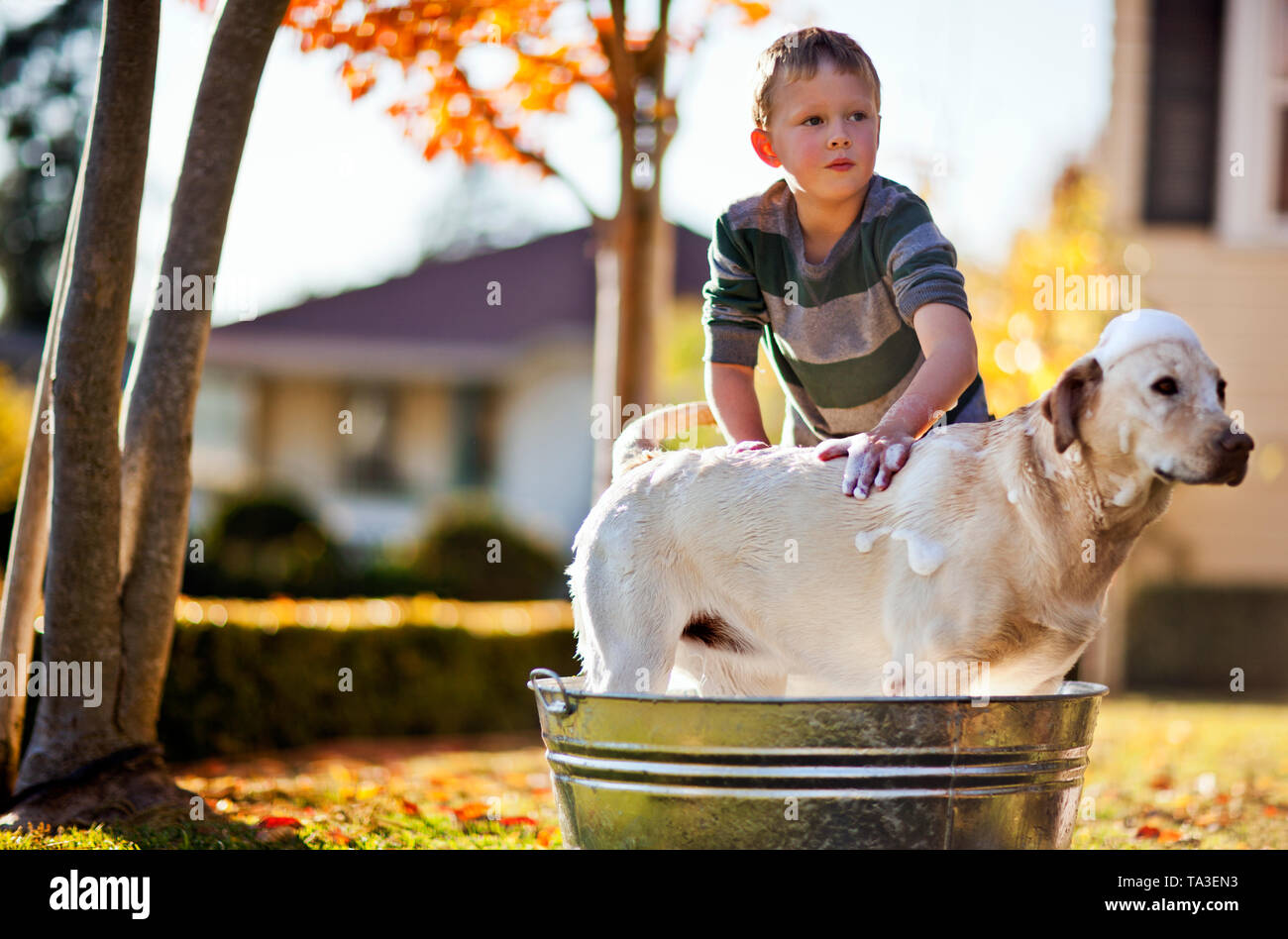
El niño lava el perro. Lavar is not reflexive because the boy is washing the dog, not himself.