Nerdvana
Mishmash Mania
FINAL JEOPARDY ROUND
200
This Sega character first dashed onto screens in the early '90s—taking on Dr. Robotnik.
Sonic the Hedgehog
200
Rank this countries by military power in 2023 in descending order (According to Global Firepower's 2023 Military Strength Ranking)
Ukraine, Russia, US, Germany, Israel
Correct Order: US, Russia, Ukraine, Israel, Germany
200
LATIN PHRASES
Give meaning or translation of these phrases
(if you answer only on one, you get 50% of wager on top of your score: Score = Bet/2 + Score)
1) Si vis pacem, para bellum
2) Scio me nihil scire
1) If you want peace, prepare for war." The phrase is adapted from a statement found in Roman author Publius Flavius Vegetius Renatus's tract Dē Rē Mīlitārī
2) "I know that I know nothing" is a saying derived from Plato's account of the Greek philosopher Socrates
300
From which game and in which case is this tune played?
The Legend of Zelda:Breath of the wild (Zelda/Botw is acceptable)
Starts during fight with Battle Talus (rock fight, boss fight, tallus battle acceptable)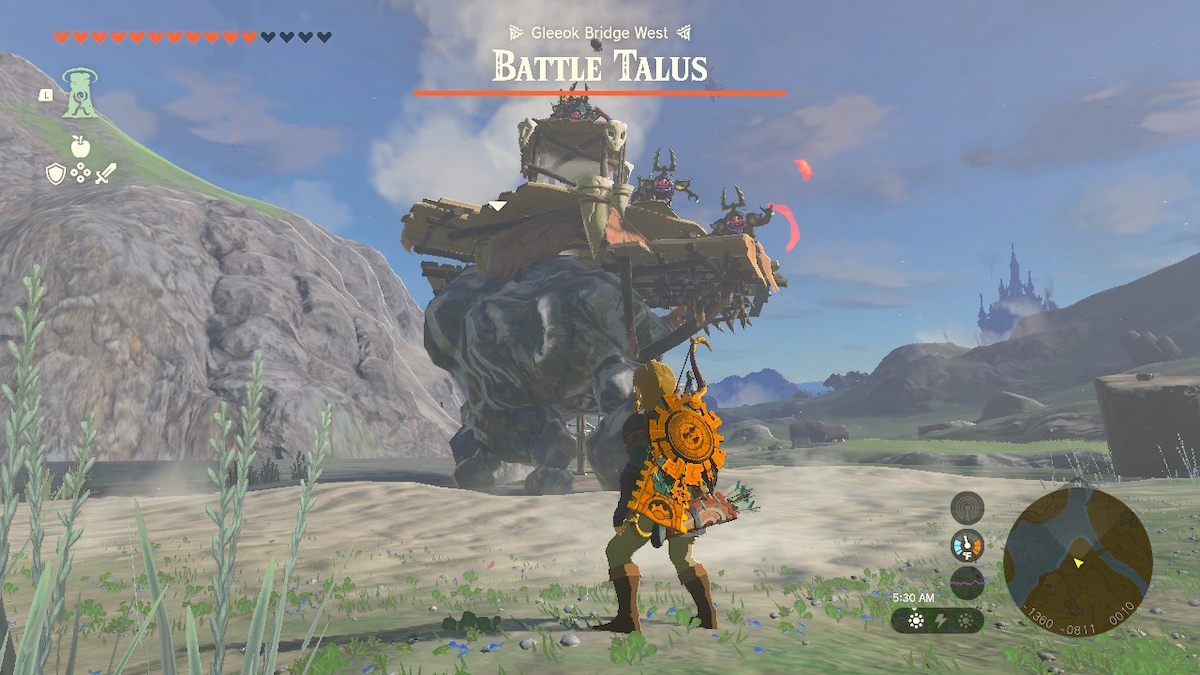
300
This film’s, published in 2018 when it won the People's Choice Award, title refers to an actual travel guide published during segregation, which listed safe havens for African-American travelers in the South. What is the name of this movie?
The Green Book

300
WW2
This German World War II weapon, designed by Rheinmetall, saw only seven units built. Of these, six that saw combat were nicknamed 'Adam' (later 'Baldur'), 'Eva' (later 'Wotan'), 'Thor', 'Odin', 'Loki', and 'Ziu', the seventh, the research and test weapon (Versuchs-Gerät), had no name.
What is the weapon?
Karl-Gerät (040/041) (lit. 'Karl-device' in German), also known as Mörser Karl, was a World War II German self-propelled siege-mortar
Seven guns were built, six of which saw combat between 1941 and 1945. It was used in attacking the Soviet fortresses of Brest-Litovsk and Sevastopol, bombarded Polish resistance fighters in the Warsaw Uprising

400
Thors Snorresson, a character in the Vinland saga, has left THIS historical-mythical organization
The Jomsvikings were a legendary order of Viking mercenaries or conquerors of the 10th and 11th centuries. Though reputed to be staunchly dedicated to the worship of the Old Norse gods, they would allegedly fight for any lord who could pay their substantial fees, even if he were Christian.
400
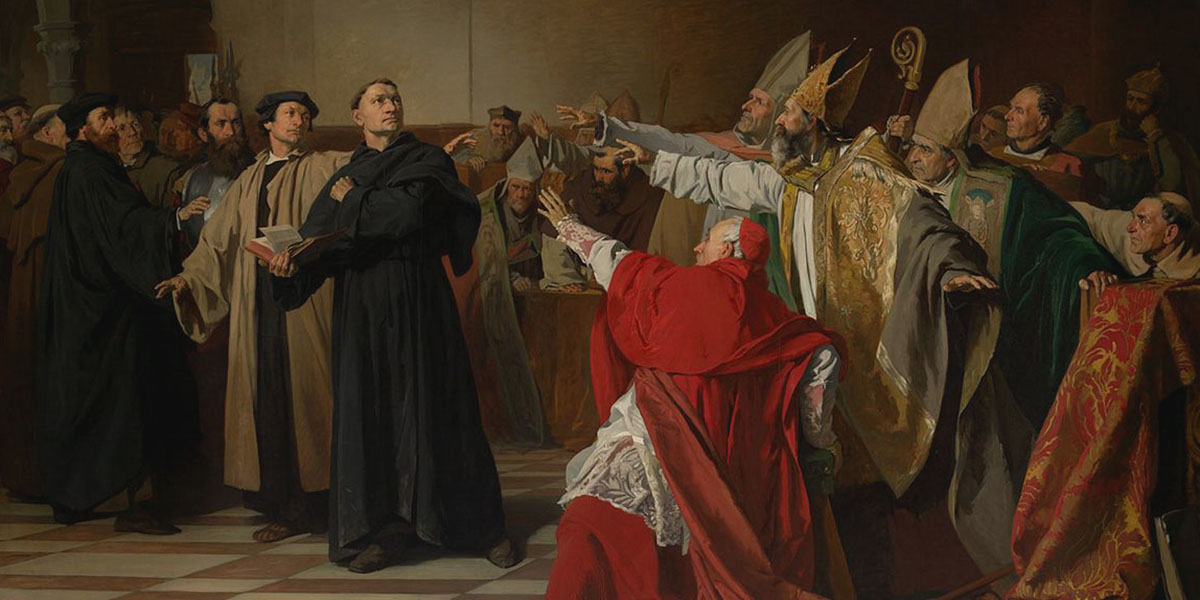
This seismic movement in the 16th century, ignited by calls for reform, altered the spiritual and political landscape of Europe
Protestant Reformation, Movement