Vocabulary
Colloids, foams, and emulsions
Acids and bases
Molecular behavior
Notes and Errata
100
This is the substance that makes up proteins.
What is an amino acid?
100
This is an example of an emulsifier.
Answers will vary. Correct answers include egg yolk, egg white (less common), soap, mustard. Must have hydrophilic and hydrophobic components.
100
This is the pH of something that is neutral.
What is 7?
100
These types of elements participate in ionic bonds.
What are metals and non-metals?
100
This is the name, in English, of the type of foam cookies we made in our first lab.
What is meringue?
200
This describes the process that changes the structure of a protein.
What is denaturing?
200
These are two examples of emulsions.
Answers will vary. Examples include mayonnaise, salad dressing, dirty soapy water, hollandaise sauce, etc.
200
This is an example of an acid.
Answers will vary.
200
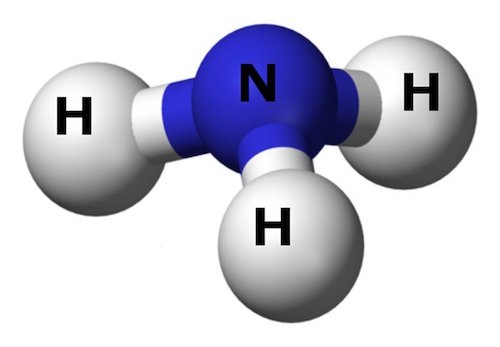
This molecule: polar or non-polar?
What is polar? It is not symmetrical in all directions.
200
This is the high school teacher who has the most cats.
Who is Lauren?
300
This type of leavening requires something alive to be involved, such as yeast or bacteria.
What is fermentation?
300
This is the difference between a foam and a colloid.
A foam is air suspended evenly in something else. A colloid is any two or more things evenly suspended. So, all foams are colloids but not all colloids are foams.
300
This is the range of pH considered to be alkali.
What is 7.1-14?
300

This molecule: is it polar or non-polar?
What is polar? It is not symmetrical in all directions.
300
This is Lewis's middle name/second name.
What is David?
400
This is an example of a denatured protein.
Examples could include cooked eggs or meat, ceviche, meringues/suspiros, whipped cream, etc.
400
This is a soap molecule. We know soap has both hydrophilic and hydrophobic parts, since it is an emulsifier.

Is the part on the right, that includes a sodium ion, the hydrophobic or hydrophilic part? Why?
It is the hydrophilic part. That's because it contains an ionic bond, which is a hydrophilic substance due to the charges on the ions.
400
This is one specific example of when pH is relevant in cooking.
Answers will vary.
400
These are two hydrophilic substances.
Answers will vary. Water doesn't count!! (Even though it loves itself)
400
This is the year MFS was founded.
What is 1951?
500
This is the type of bonding we studied that is between two or more molecules, not inside of a molecule.
What is hydrogen bonding?
500
Name something that is a mixture but is NOT a colloid.
Answers will vary. The key is that it should be something that is not evenly suspended but is still a mixture. So, different sizes of rocks mixed in soil could be one example, since it is unevenly mixed.
500
This is how many times more concentrated an acid with a pH of 2 is than an acid with a pH of 5.
What is 1,000 times? (5-2=3, 10^3 = 1,000)
500
These are two types of bonds that exist in substances that are hydrophilic.
What are:
-Polar covalent
-Ionic
-Hydrogen (a stretch, but also true: substances that participate in hydrogen bonds dissolve easily in water)
500
These were the manipulated variables for all three groups in our cookies lab.
What were increased vanilla, increased chocolate, and use of flax/fake eggs?