The Big 5
Brain and Behavior
Psychological Disorders
Nature vs. Nurture
Profiling
100
This trait describes being organized and responsible.
What is Conscientiousness?
100
This brain region controls decision-making and impulse control.
What is the Prefrontal Cortex?

100
This disorder involves lack of empathy and remorse, while also being quite personable.
What is Psychopathy?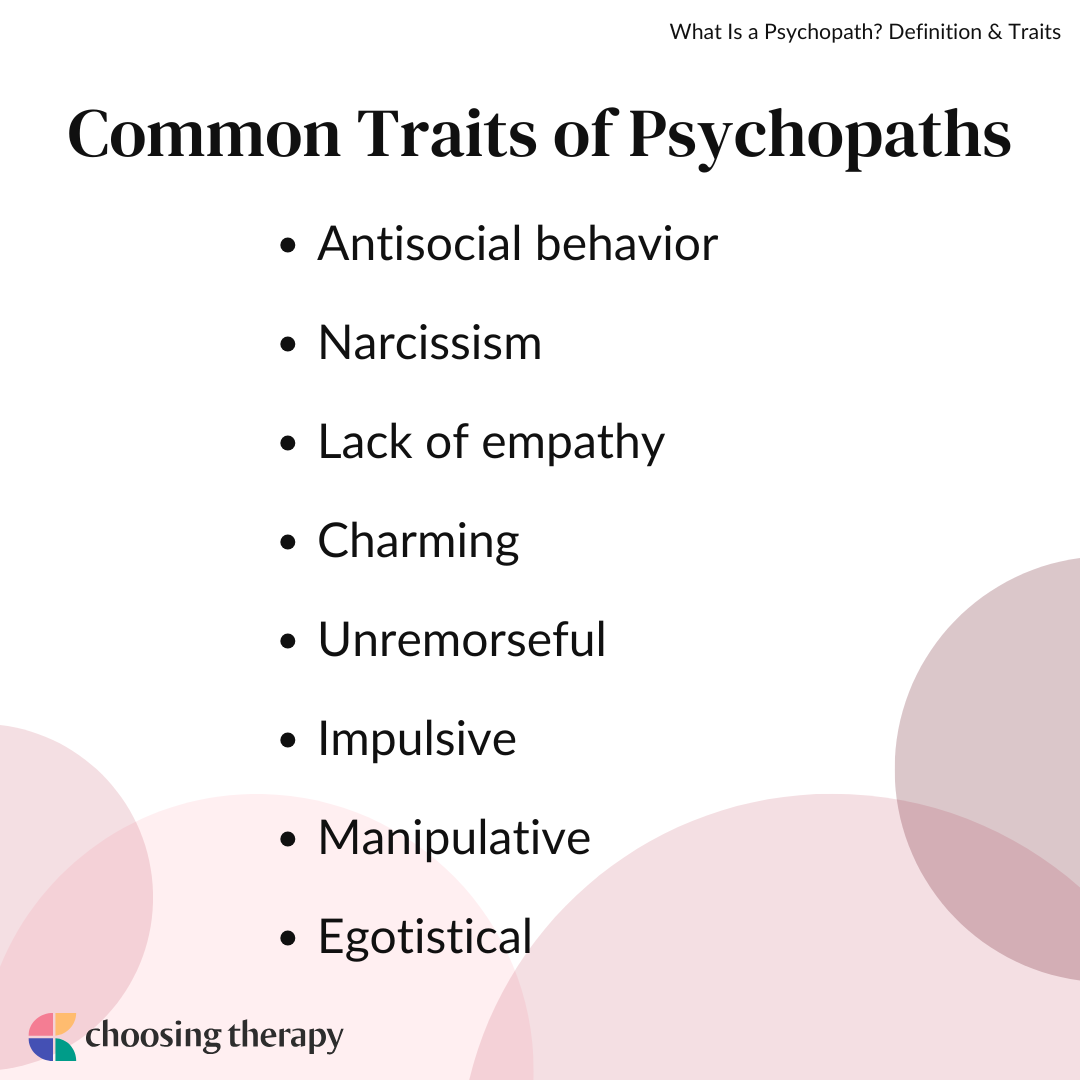
100
Genetics and brain structure fall under this category.
What is Nature?

100
This profiling method uses evidence from a single crime scene.
What is Deductive Profiling?
200
Which Big Five trait is MOST associated with being talkative and energized by social interaction?
What is Extraversion?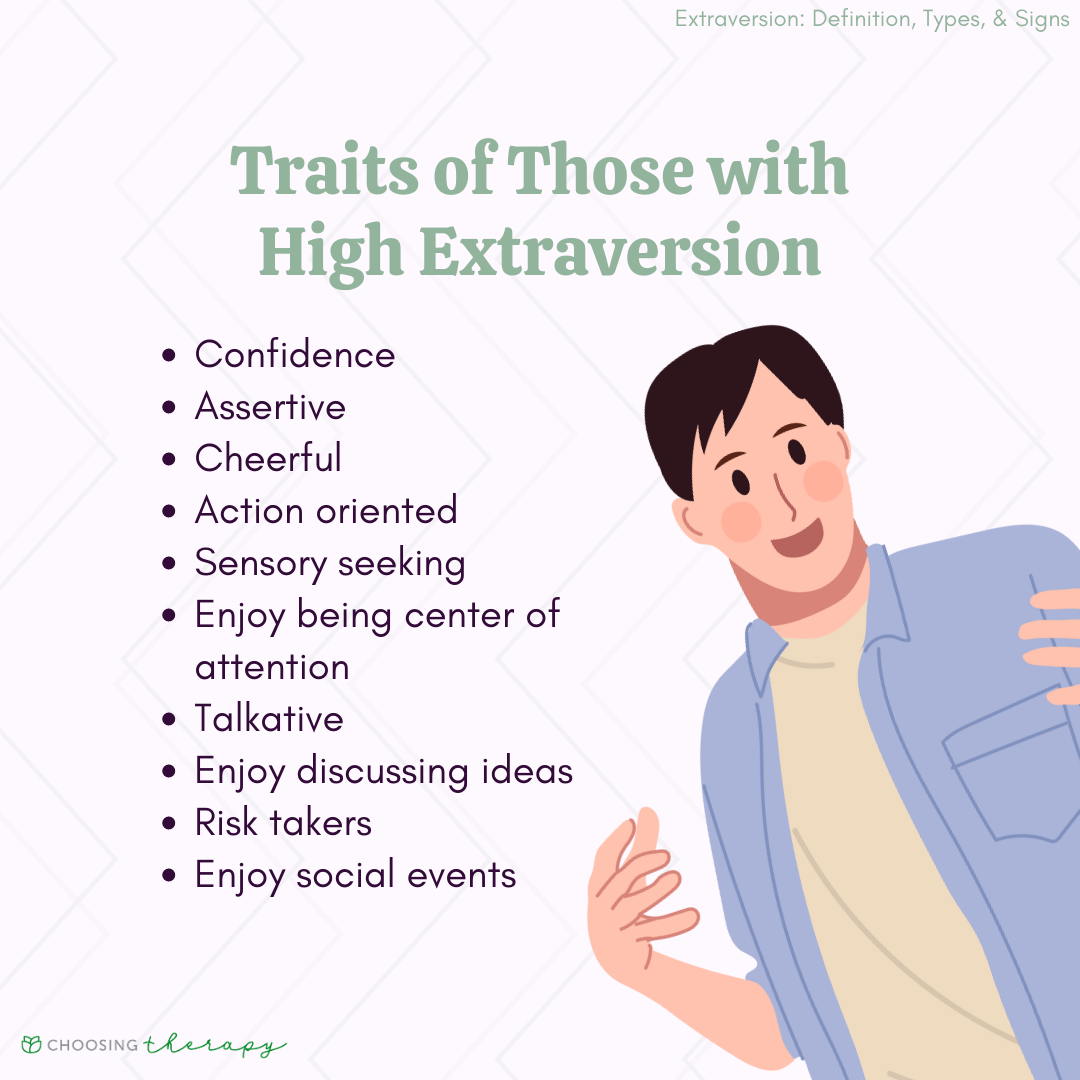
200
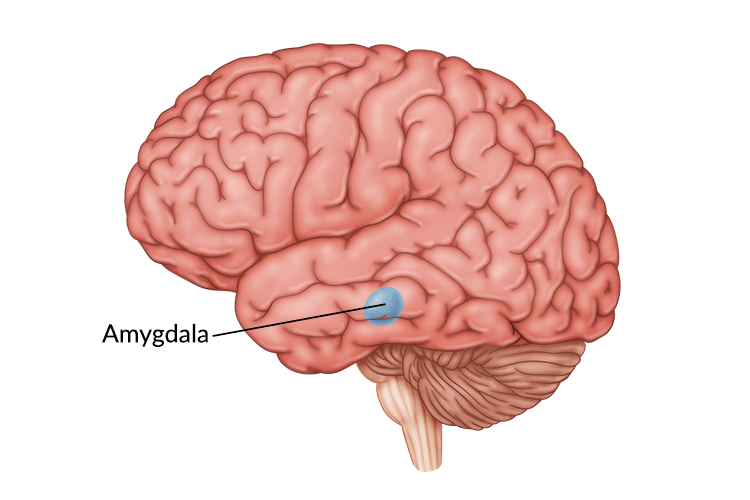
Which brain structure is most associated with fear and emotional reactions?
What is the Amygdala?
200
This disorder includes hallucinations and delusions.
What is Schizophrenia?:max_bytes(150000):strip_icc()/what-are-the-symptoms-of-schizophrenia-2953120-e15ca22957ec44ff8969cf9b8ac24568.jpg)
200
Environmental factors like upbringing fall under this category.
What is Nurture?
200
This profiling method relies on general patterns and statistics.
What is Inductive Profiling?
300
A suspect is described as impulsive, careless, and unreliable. Which trait are they likely LOW in?
What is Conscientiousness?
300
If someone cannot control impulses and makes risky decisions, this area of the brain may not be functioning properly.
What is the Prefrontal Cortex?
300
A person repeatedly breaks laws, lies, and shows no regard for others’ rights.
What is Antisocial Personality Disorder (ASPD)?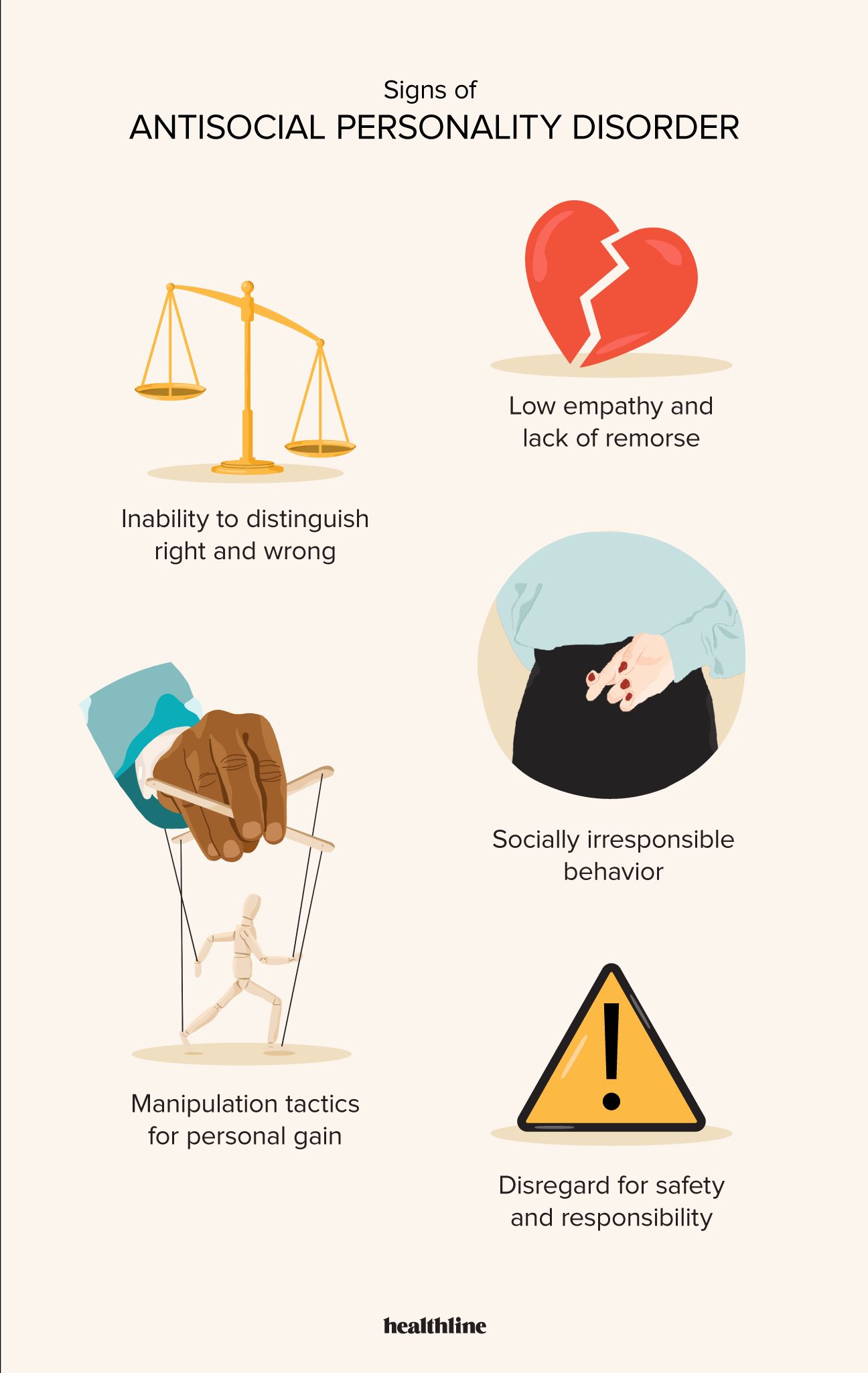
300
A child exposed to chronic violence develops aggressive behaviors. The aggressive behaviors are a result of this influence.
What is Nurture?
300
A detective lets personal opinions or stereotypes influence how they interpret evidence in a case, showing that he has ____.
What is (personal) Bias?
400
A criminal shows emotional instability, mood swings, and reacts aggressively under stress. Which trait are they likely HIGH in?
What is Neuroticism?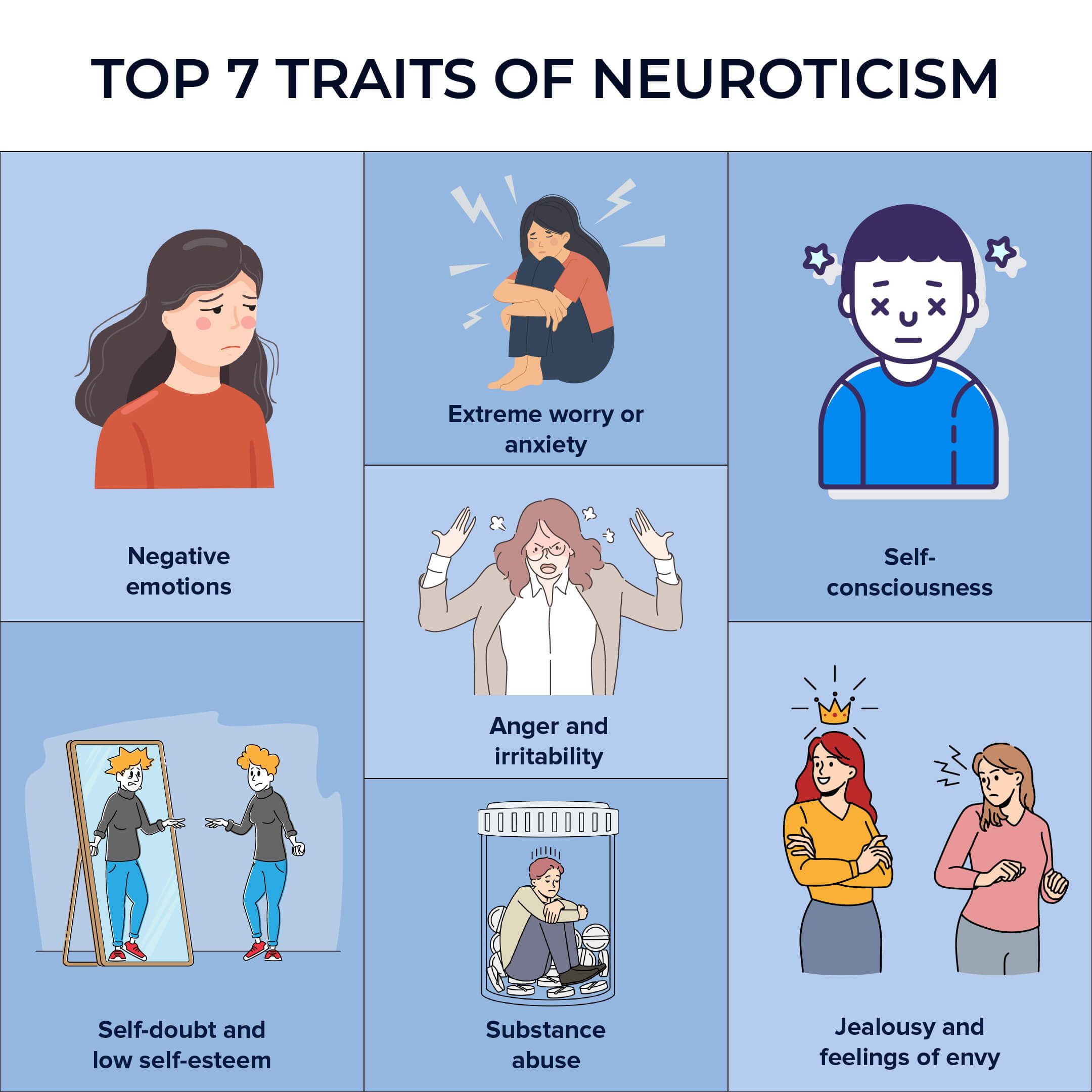
400
These may be the behaviors of someone with an overactive amygdala in a threatening situation.
What is:
- Heightened aggression?
- Heightened response to fear?
- Overreacting to threats?
400
Trauma triggers leads to fight/flight responses, hyper-vigilance, or emotional dysregulation in somebody who lives with this psychological disorder.
What is Post Traumatic Stress Disorder (PTSD)?
400
Criminal behavior should never be explained using nature OR nurture for this reason.
What is behavior results from interaction of both biology and environment?
400
Richard Ramirez was eventually caught because of Inductive Profiling as well as this profiling method, being that most of his crimes took place in Southern California.
What is Geographic Profiling?

500
Create a likely Big Five profile for someone who commits calculated, manipulative crimes without emotional attachment.
What is:
- Low Agreeableness?
- Low Neuroticism (calm under pressure)?
- High Conscientiousness (planned behavior)?
500
Explain how BOTH the amygdala and prefrontal cortex could interact to influence violent behavior.
- Overactive amygdala = strong emotional/aggressive impulses
- Under-active prefrontal cortex = poor impulse control
- Together = increased likelihood of reactive violence
500
_________ is often associated with people who display a lack of empathy, remorse, callousness, and charm. While ________ is associated with those who have a behavioral pattern of aggression and irresponsibility, as well as the lack of empathy, remorse, callousness, and charm.
*2 answers
What is Psychopathy? What is Antisocial Personality Disorder (ASPD)?
500
Provide an example of how nature AND nurture could interact to influence criminal behavior.
Nature:
- Overactive amygdala
- Prefrontal correct deficits
Nurture:
- Growing up around violence
- Having violent/criminal role models
- Neglect
- Etc.
500
This is a scenario where an investigator would use deductive profiling over inductive profiling.
What is:
- Using only one crime scene?
- A crime where the suspect has not committed multiple crimes?
- A unique situation without data or statistics being used to develop a conclusion.