PC w être 1
PC w être 2
PC w être 3
être ou avoir? 1
Vocab : la meteo
Vocab: les couleurs / les vetements
Vocab : les vacances
100
What form of être is the helping verb in the passé composé for the subject tu ?
es
100
Change this subject + infinitive verb to the passé composé:
Je + monter
*je = Jean-Claude
Je suis monté
100
Correct the mistake(s) in this passé composé phrase:
J'ai veni chez mon ami hier soir.
Je suis venu chez mon ami hier soir.
100
Fill in the blank with the proper helping verb for this passé composé phrase.
Je ______ arrivé en avance.
Je suis arrivé en avance.
100
Answer the question: Quel temps fait-il ?

Il fait beau. / Il fait bon.
Il fait du soleil.
100
Name the article of clothing and its color :

C'est un anorak rouge.
100
Based on the illustrations and the city, write a sentence saying to what country each person is going and how he or she is getting there.
Alexa / Mexico City

Alexa va au Mexique en bateau.
200
What form of être is the helping verb in the passé composé for the subjects il / elle / on ?
est
200
Change this subject + infinitive verb to the passé composé:
Tu + descendre
*you're talking to Helene
Tu es descendue
200
Correct the mistake(s) in this passé composé phrase:
Est-ce que tu est entrés par la rue ou par les escaliers?
Est-ce que tu es entré par la rue ou par les escaliers?
200
Fill in the blank with the proper helping verb for this passé composé phrase.
Est-ce que vous ______ parlé avec le prof?
Est-ce que vous avez parlé avec le prof?
200
Answer the question: Quel temps fait-il ?
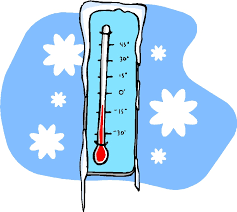
Il fait froid.
Il gèle.
200
Name the article of clothing and its color:
C'est une écharpe bleue.
200
Based on the illustrations and the city, write a sentence saying to what country each person is going and how he or she is getting there.
Carlos / Rio

Carlos va au Brésil en avion.
300
What form of être is the helping verb in the passé composé for the subject vous ?
êtes
300
Change this subject + infinitive verb to the passé composé:
Vous (pl) + revenir
Vous êtes revenus
300
Correct the mistake(s) in this passé composé phrase, then translate the corrected result:
Je ne sommes pas naîtu en décembre, mon anniversaire est en janvier.
Je ne suis pas né en décembre, mon anniversaire est en janvier.
I wasn't born in December, my birthday is in January.
300
Fill in the blank with the proper helping verb for this passé composé phrase. Then translate.
Tu ______ resté chez toi pour Thanksgiving?
Tu es resté chez toi pour Thanksgiving?
Did you stay at your house for Thanksgiving?
300
Answer the question: Quel temps fait-il ?


Il fait chaud.
300
Name the article of clothing and its color:
C'est un pantalon vert.
300
Based on the illustrations and the city, write a sentence saying to what country each person is going and how he or she is getting there.
Heidi / Rome

Heidi va en Italie en bus.
400
What form of être is the helping verb in the passé composé for the subject nous ?
sommes
400
Change this subject + infinitive verb to the passé composé AND TRANSLATE:
Nous + retourner
Nous sommes retournés
We returned
400
Correct the mistake(s) in this passé composé phrase, then translate the corrected result:
Je suis triste parce que mon chien suis mortes hier.
Je suis triste parce que mon chien est mort hier.
I'm sad because my dog died yesterday.
400
Fill in the blank with the proper helping verb for this passé composé phrase. Then translate.
Nous _________ vu les photos du mariage.
Nous avons vu les photos du mariage.
We saw the photos from the wedding.
400
Answer the question: Quel temps fait-il ?

Il pleut.
Il fait gris.
Il fait mauvais.
Il ne fait pas bon / beau.
400
Name the article of clothing and its color:

C'est un chapeau jaune.
400
Based on the illustrations and the city, write a sentence saying to what country each person is going and how he or she is getting there.
Philippe / Geneve

Philippe va en Suisse en taxi.
500
What form of être is the helping verb in the passé composé for the subjects ils / elles ?
sont
500
Change this subject + infinitive verb to the passé composé AND TRANSLATE:
Elles + sortir
Elles sont sorties
They went out
500
Correct the mistake(s) in this passé composé phrase, then translate the corrected result:
Ils ont tombée amoureuse de la ville.
Ils sont tombés amoureux de la ville.
They fell in love with the town.
500
Fill in the blank with the proper helping verb for this passé composé phrase. Then translate.
Vous ______ parti en vacances pour un mois?
Vous êtes parti en vacances pour un mois?
Did you leave for/on vacation for a month?
You left on vacation for a month?
500
Answer the question: Quel temps fait-il ? *To respond, you must use ne...pas in your answer.

Il ne fait pas du soleil.
Il ne fait pas chaud.
Il ne fait pas du vent.
Il ne fait pas orageux.
(etc, many options possible)
500
Describe this person's outfit - name every clothing item you can and name their colors :

Drake porte un manteau rose et un pull blanche. Il porte aussi un jean bleu. Il a des baskets blanches aussi.
500
Translate to French:
I have a flight to Canada today.
J'ai un vol au Canada aujourd'hui.