Teacher Fact
Experimental Design
Cell Organelles
Photosynthesis and Respiration
Cell Transport
100
What continents have Ms. Padover visited?
Africa
North America
Europe
100
What is the variable that you are responsible for changing?
Independent Variable
100
This organelle produces ATP
Mitochondria
100
Explain the relationship between cellular respiration and photosynthesis in terms of carbon.
Photosynthesis uses carbon while cellular respiration makes it.
100
Movement from High to low using no energy (not the movement of water)
Diffusion
200
What are two hobbies that Mr. Strizak has?
Video games
Crochet
Youtube
Anime
200
What is the name of the variable that you measure?
Dependent variable
200
Area of the cell where molecules move in and out
Cell membrane
200
What is the location of photosynthesis?
What is the location of cellular respiration?
P: Chloroplast
CR: Mitochondria
200
Movement of water
Osmosis
300
What is Ms. Padover's age?
32
300
What is the name of the parts of the experiment that remain the same in the control group and experimental group?
Constant
300
Used only for structure, found in plant and bacterial cells
Cell Wall
300
Name of the type of cellular respiration that occurs in low / no oxygen environments.
Anaerobic Cellular Respiration
or
Anaerobic
300
Movement from low to high using ATP
Active Transport
400
How old is Strizak?
Bonus: What month is his birthday in?
Will take your Regents for you: What is my day, month and year of birth
28
Bonus: December
Super Bonus: 12/18
400
What is the name of the group with the normal condition (non-experimental group)?
Control Group
400
Storage area for DNA
Nucleus
400
Where does more photosynthesis occur? 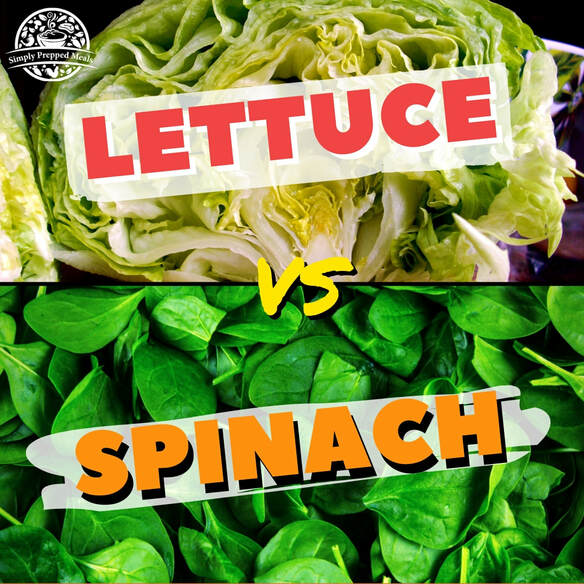
Spinach
Darker green leaves have more chlorophyll (and therefore chloroplast)
400
Movement of water when a cell is placed in a highly concentrated salt solution
out of the cell
500
How long have Mr. Strizak and Ms. Padover been teaching together?
2 years
500
Mr. S wants to see the impact of giving broccoli to students on their class performance. What is the IV / DV?
IV: Giving broccoli
DV: Test grades
500
found in both plant and animal cells this is larger in plant cells
Large Central Vacuole or Vacuole
500
Amount of ATP produced from aerobic cellular respiration
34-38 ATP
500
3 types of solutions (must get all 3 for a point)
Hypotonic
Hypertonic
Isotonic