The Rock Cycle
Landforms
Energy & Heat
Light Interactions
Reproduction & Heredity
Ecosystems
100
When lava erupts from a volcano, it cools to form
Igneous rock
100
Large rock formations that are caused by convergent boundaries
mountain
100
heat always flows from ____ to ____
HOT to COLD
100
This is the "color" you see when a substance reflects almost all light
white
100
a trait that can be covered up (represented with lowercase letters)
recessive
100
what percent of energy gets passed from one level of the food chain to the next?
only 10%
200
rocks that result from the alteration of preexisting rocks in response to changing environmental conditions; transformed by intense heat and high pressure
metamorphic rock
200
Large piles of sand that were deposited by wind
dunes
200
the average kinetic energy of a substance
temperature
200
This is the "color" you see when a substance absorbs almost all light
black
200
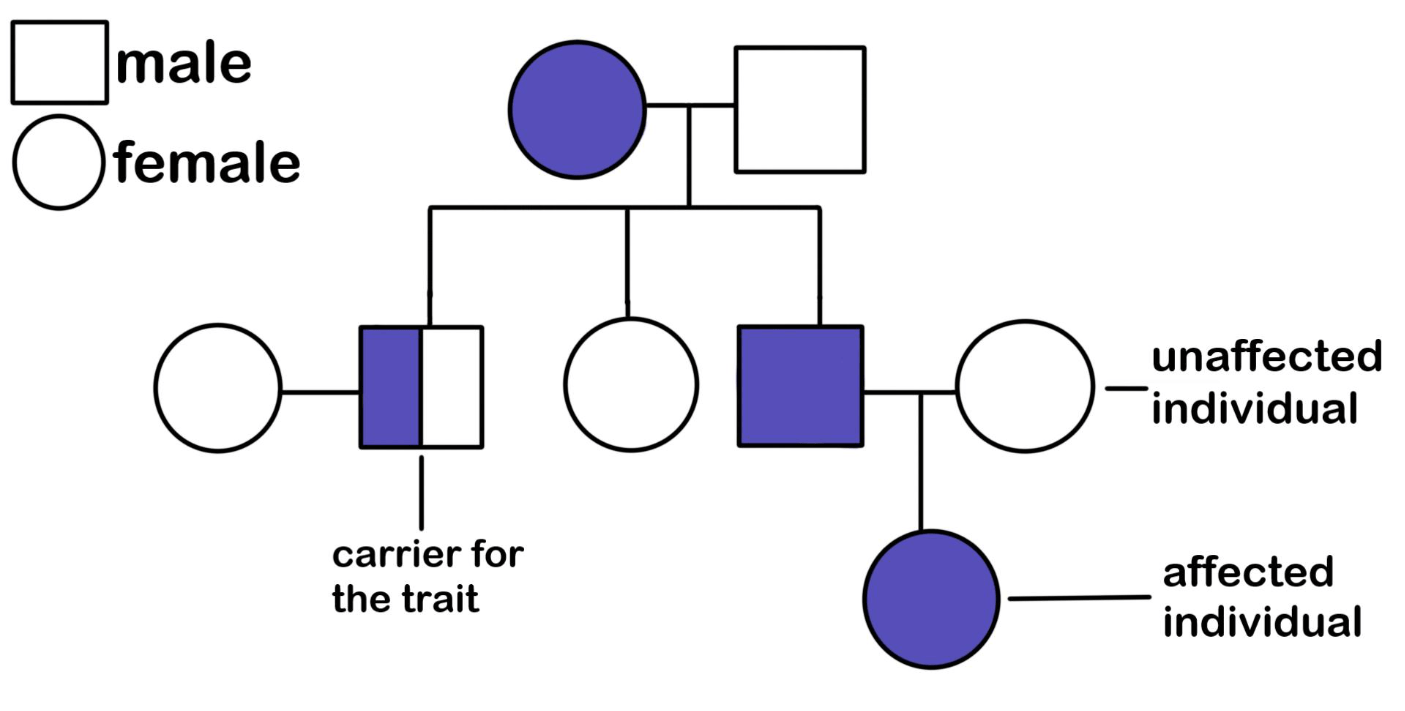
this is used to show the passing on of a particular trait through generations
pedigree chart
200
a specialized role an organism or species plays within its ecosystem
niche
300
Rock that forms from other eroded rock
sedimentary rock
300
Huge chunks of ice that crush any rock below them
glacier
300
the type of energy stored in the chemical bonds of molecules (ex: food, batteries)
chemical energy
300
the sky is blue because atmospheric molecules _______ blue light the most
scatter
300
a process where a cell divides resulting in two identical cells.
mitosis
300
another word for nonliving factors in an ecosystem (ex. temperature, sunlight, water)
abiotic factor
400
When the sediment is moved to another place by wind, ice, gravity and/or water.
erosion
400
Streams of water that lead to the ocean that are moved by gravity.
river
400
physical property that describes how easily electricity or heat can flow through a substance.
conductivity
400
when a material transmits all light, it appears
transparent
400
the observable characteristics or traits of an individual (ex. blue eyes)
phenotype
400
an environmental factor that limits the growth or activities of an organism
limiting factor
500
When the sediment carried by wind, ice, gravity and/or water is settled in another location
deposition
500
Triangle shaped areas of deposition where a river & ocean meet.
delta
500
the sum of an object's kinetic and potential energies
mechanical energy
500
light bends (refracts) when it enters a new medium because the rays ...
change speed & slow down
500
The process in cell division in sexually reproducing organisms that reduces the number of chromosomes in half
meiosis
500
another word for a level in a food chain or energy pyramid
trophic level
600
any type of weathering that changes the molecular makeup of rock and other structures
chemical weathering
600
the processes whereby humans create desert environments by cutting off or using up water supplies
desertification
600
the total kinetic energy of all the particles of a substance
thermal energy
600
the spreading of waves around obstacles.
diffraction
600
another word for reproductive cells
gametes
600
the maximum number of individuals of a population that an environment can maintain indefinitely (with the available resources)
carrying capacity