Videography
Video Editing
Cinematography
Audio
Lighting
Color Grading
100
While 30 is common on social media and North American TV, this frame rate is the global cinematic standard.
24 fps
100
This abrupt transition cuts between two shots of the same subject from the same or similar angle, common in casual or fast-paced social media edits.
jump cut
100
This shot size emphasizes the setting and scale, showing the subject far from the camera.
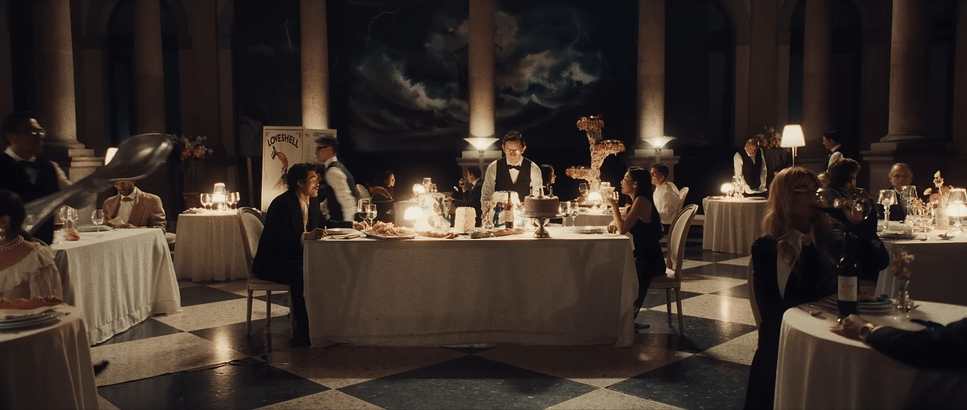
wide
100
Applying these to audio cuts eliminates unwanted clicks and pops.
crossfades
100
This quality of light creates sharp shadows and emphasizes texture.
hard light
100
This relatively small color space is the standard for TV and internet delivery.
Rec.709
200
Recording footage this way remaps the sensor data to maximize dynamic range, at the cost of looking flat and washed out before color grading.
Log
200
This rule keeps spatial relationships clear by filming on one side of an imaginary line between subjects.
180-degree rule
200
Immersive audio like ringing ears or heavy breathing often accompanies this filmmaking technique, simulating what a character sees and hears.
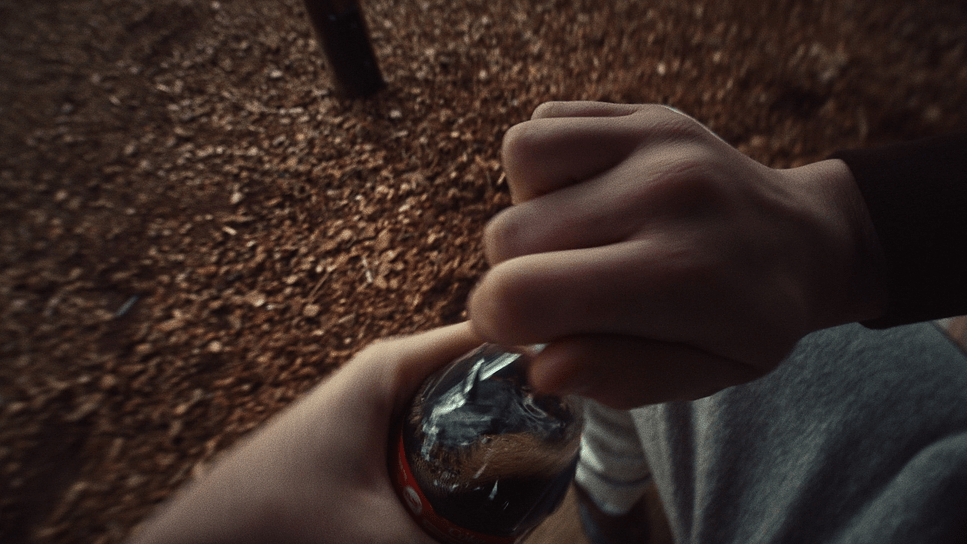
POV
200
Used by politicians, actors, and content creators alike, this scrolling text aid lets you read a script while looking forward, delivering lines at a natural pace without flipping pages.
teleprompter
200
In a 3-point lighting setup, this light reduces the intensity of shadows on the dark side of the subject's face.
fill light
200
This tool, typically applied as the last node in your signal, converts footage from its capture color space and gamma to your delivery color space and gamma.
Color Space Transform (or technical LUT)
300
This camera setting, often adjusted in relation to the frame rate, determines whether motion appears cinematic, choppy, or with lots of blur.
Double points: specify how this setting is set for cinematic motion.
shutter speed
shutter speed = 1/48 (half/double 24 fps)
300
This type of layer is placed above clips in the timeline to apply effects and color grades to multiple timeline elements at once.
adjustment layer (or adjustment clip)
300
This shot size captures a subject from the waist up, balancing both facial expression and body language.
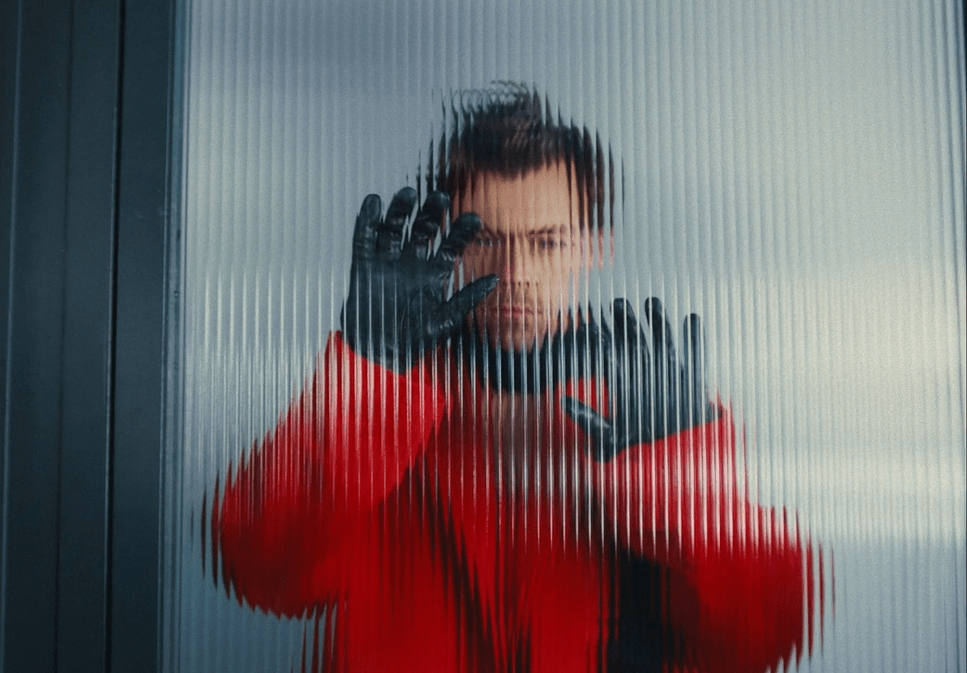
medium shot
300
For interviews or moving subjects, this type of external microphone clips onto clothing and captures consistent audio—even when the speaker is far from the camera.
lavalier (or lav)
300
In a 3-point lighting setup, this light is positioned behind the subject to create separation from the background.
100 points for naming each specific variation (three variations).
back light
edge or rim, kicker, hair
300
This first stage of color grading handles exposure, color balance, and contrast.
primaries (or color correction)
400
You can do this in the iPhone Camera app to prevent unwanted shifts in brightness or focus hunting.
AE/AF lock (tap and hold)
400
This rule helps avoid awkward cuts by shifting the camera angle a significant amount between shots.
30-degree rule
400
This type of "dirty single" shows one character with part of another in frame, helping convey the spatial relationship between characters during dialog.
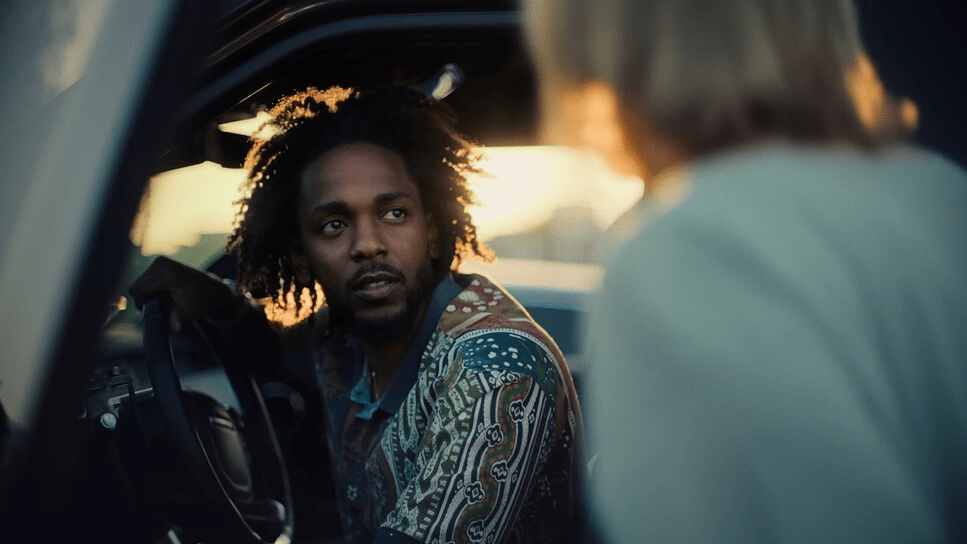
over-the-shoulder
400
This audio effect automatically lowers music volume in response to a voiceover track.
ducking
400
Lighting that's justified by a real source—like a window, a lamp, or the sun—has this.
motivation
400
This artifact appears in gradients like skies when 8-bit footage doesn't have enough steps to render smooth transitions.
banding
500
Created in pre-production, this is an early edit assembled from scratch footage, GIFs, sketches, and temporary audio, used to preview rhythm and structure before committing to the full production.
animatic
500
This editing principle keeps the subject in the same part of the frame and guides the viewer's gaze smoothly from shot to shot.
eye-trace (or match cut)
500
This close-up shot focuses on a detail, like a hand or object to show, not tell.
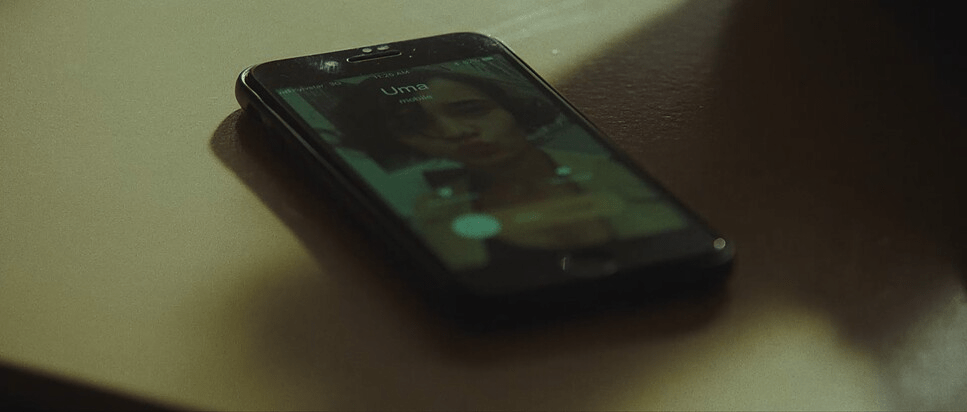
insert
500
This split edit starts the audio of the next shot before the visual changes.
J-cut
500
The black side of a 5-in-1 reflector is an example of this technique, useful for subtracting light and creating contrast on cloudy days.
negative fill
500
This scope has an optional skin tone indicator that shows the target for skin tones. Across all ethnicities, they fall along the same diagonal hue line.
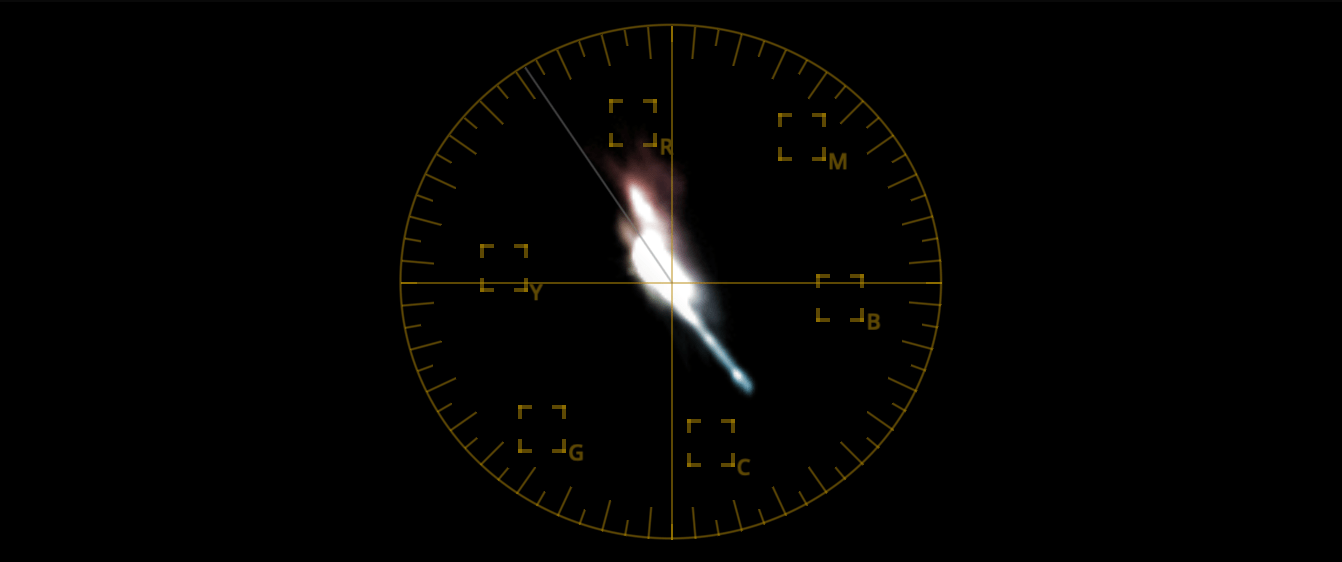
vectorscope
600
Of the three common video codecs we covered, this one delivers the highest quality at the cost of huge file sizes—preferred for professional editing.
ProRes
600
This cutting technique transitions from one shot to another while a subject is mid-movement.
match on action
600
This perspective tilts the horizon line off-level to create tension or a disorienting feeling.
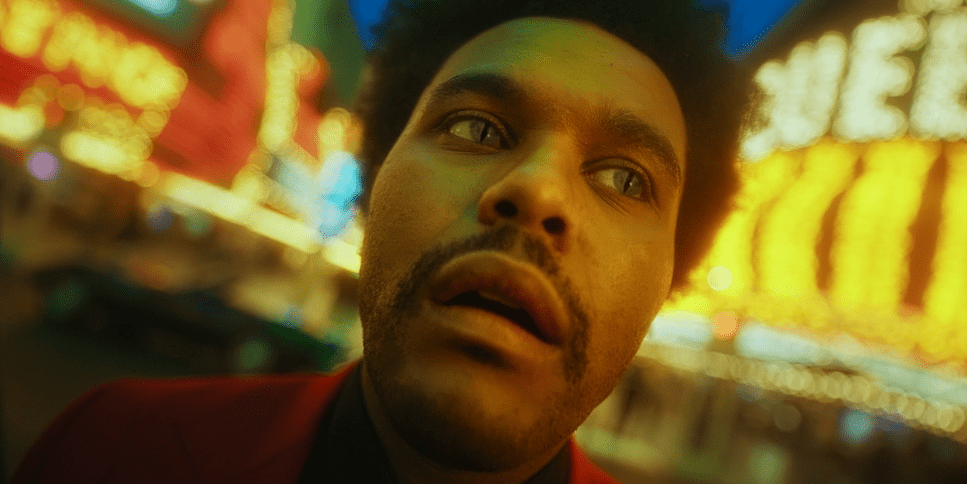
dutch angle
600
In a music video, this editing principle might mean cutting on the beat in the chorus for energy, or letting shots linger through a verse so the edit breathes.
rhythm
600
This is the more cinematic of two key-light positions, where the light hits the side of the face turned away from the camera.
Double points: name the other position.
short lighting
broad lighting
600
This scope is the go-to tool for evaluating exposure and contrast, helping you spot crushed blacks and blown-out highlights.
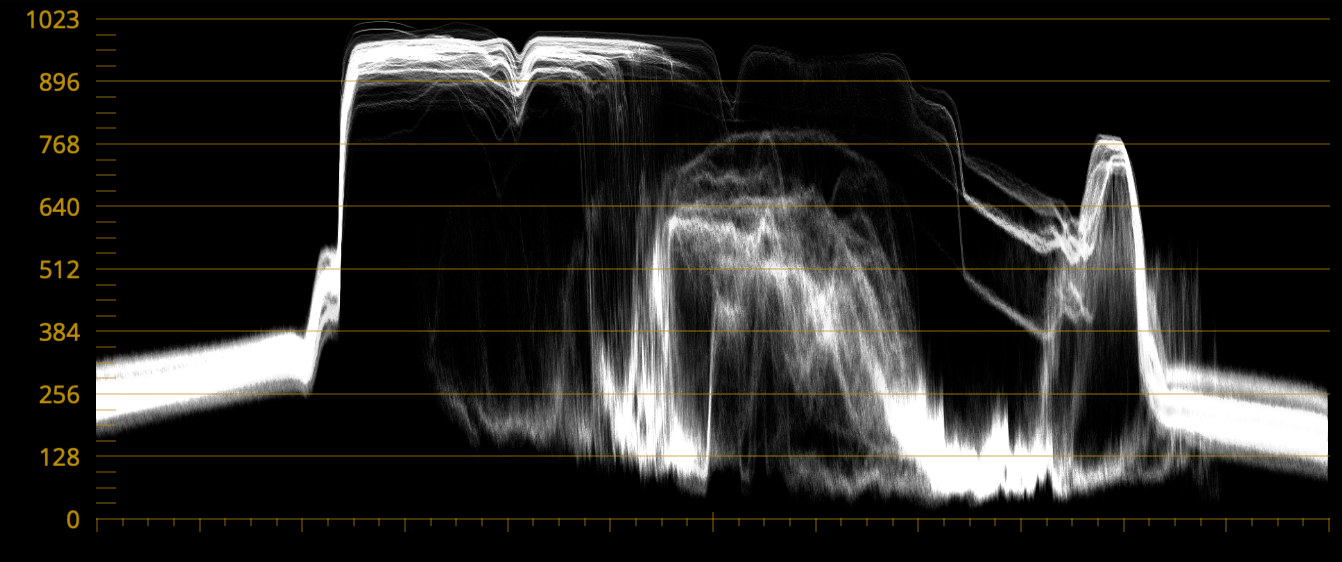
waveform