Organisms Interact in Ecosystems 1
Organisms Interact in Ecosystems 2
Organisms Change Their Ecosystems 1
Misc. Review
100
Which organisms does the fox compete with?
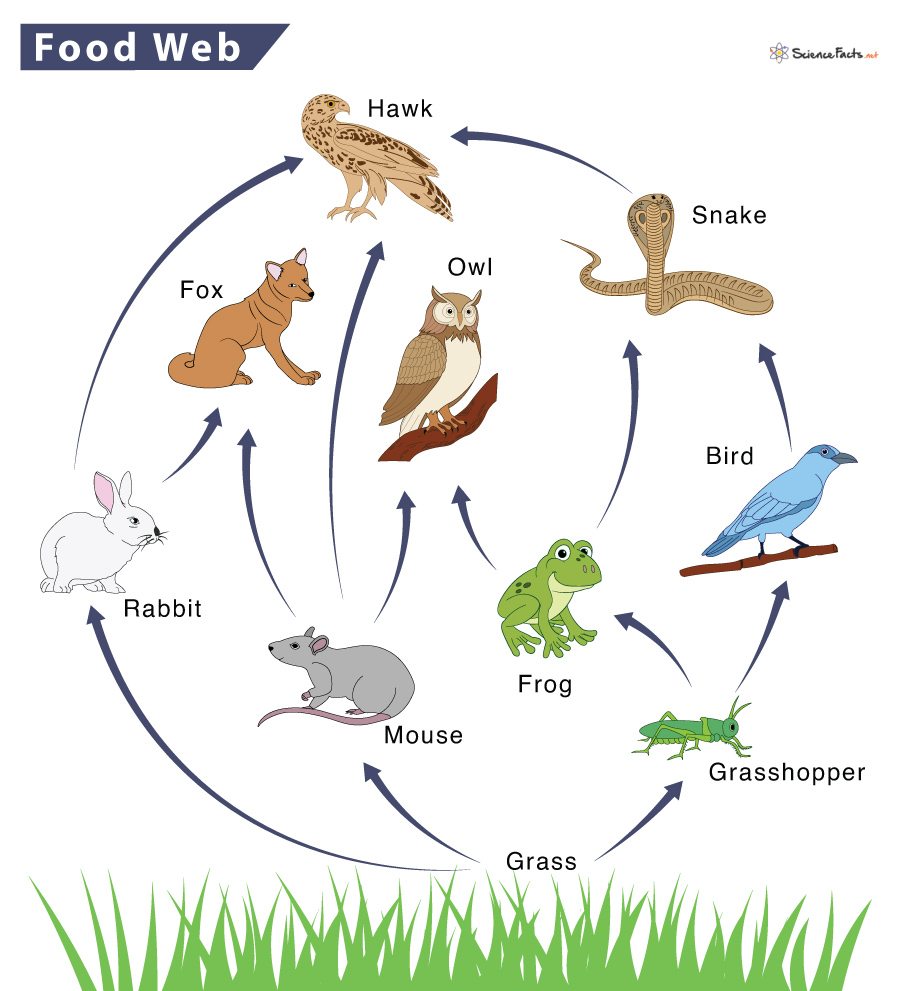
hawk and owl
100
True or False:
All scavengers are consumers
True
100
The apple snail is an omnivorous fresh water snail native to Argentina. The species was initially introduced into Taiwan in 1979 as a substitute food source for the native river snail. Apple snails are especially fond of eating rice roots leading to disastrous effects on rice plantations. What term best describes the apple snail population in the Taiwan?
invasive
100
define Omnivores
Organisms that eat both plants and animals
200
California condors often traveling 250 km a day in search of carrion. They prefer to feast on large carcasses such as deer, horses, cougars, bears, or cattle. They may feed on the bodies of smaller mammals or aquatic mammals such as whales and California sea lions, or salmon. What best describes the condor's role in its ecosystem?
scavenger
200
You are given a 20 square meters next to the field on campus to experiment with increasing biodiversity. (Biodiversity is the number of different organisms in the ecosystem).
What is the criterion? How do you know?
The criterion is the project should increase biodiversity.
I know because criteria is what should be achieved
200
Explain the term "nonnative".
nonnative: any organism introduced into a new ecosystem
200
define environment
all of the living and nonliving things that surround and affect an organism
300
According to the picture, describe the environment a salamander needs throughout its life.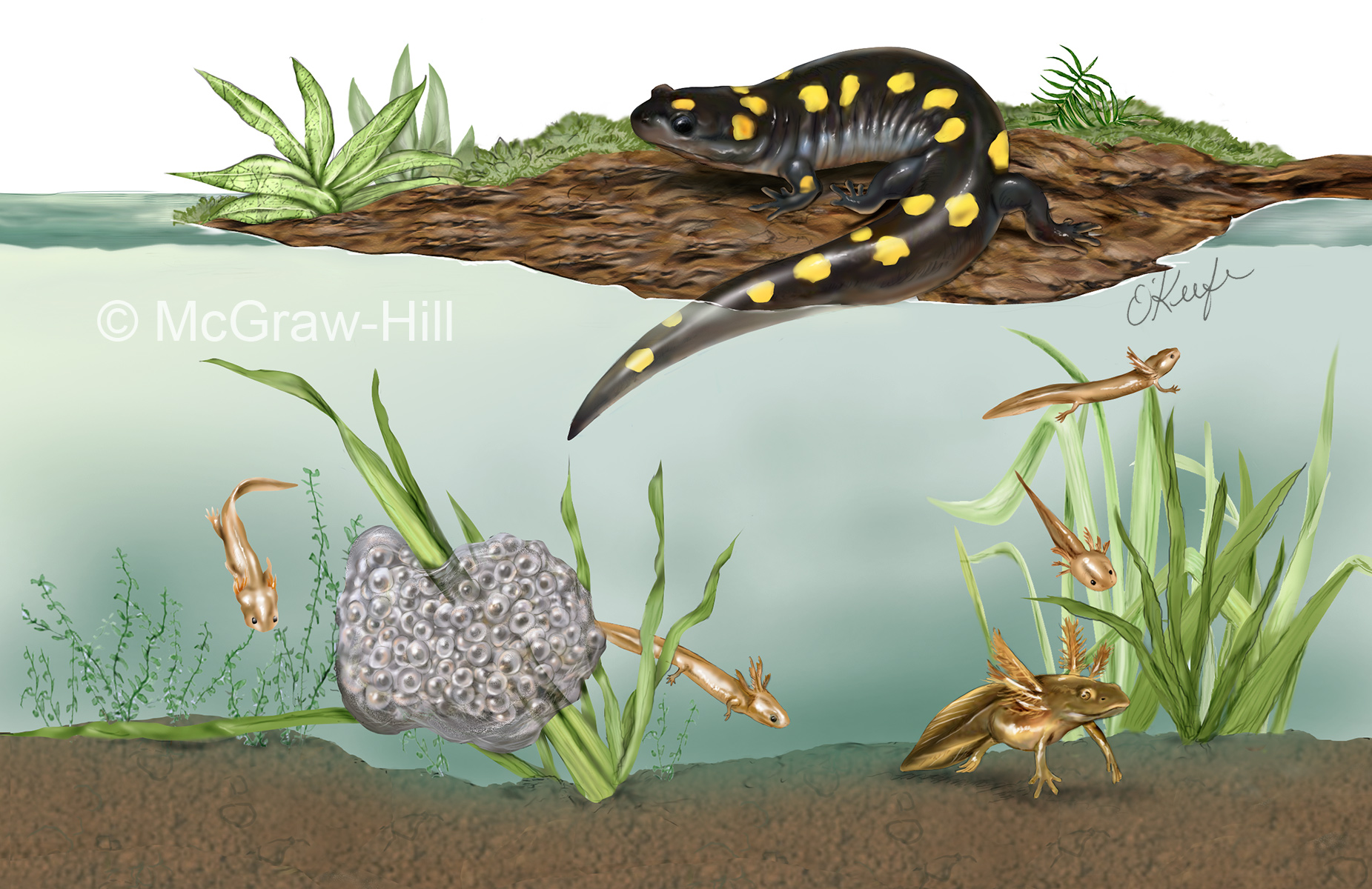
A salamander hatches in water and lives there as it grows. It lives on land as an adult.
300
You are given a 20 square meters next to the field on campus to experiment with increasing biodiversity. (Biodiversity is the number of different organisms in the ecosystem).
What is the constraint? How do you know?
You may only use 20 square meters.
I know because a constraint is a limit on the project.
300
The logging company, TannoiaCorp., wants to cut down the trees on campus to build a factory. What animals would most likely be harmed by the company's plan?
birds that nest in the trees
300
define biosphere
system that includes all living things
400
A pesticide negatively affects native owls in this ecosystem, causing the population to decline. What organisms would increase and which would decrease as a result?
Increase: frog, mouse, grass
Decrease: grasshopper, bird
400
You are given a 20 square meters next to the field on campus to experiment with increasing biodiversity. (Biodiversity is the number of different organisms in the ecosystem).
What is one way to be sure you do not decrease the biodiversity?
Do not remove trees or other plants/rocks that are already present in the area.
400
How do the roots of trees affect the ecosystem?
They move soil and rock.
400
An organism that cannot make its own food is a/an
consumer
500
Explain why nonliving things are an important factor in an ecosystem. Give at least one example in your answer.
E.g., Nonliving things such as water provide for the needs of living things in an ecosystem.
500
Tired of all the crunchy, tasty cockroaches on campus, Mr. Tannoia introduces a roach eating lizard into the DIS ecosystem.
What is one negative side effect that could occur?
E.g., The lizard may turn out to be invasive and like eating an insect that is vital to the ecosystem, outcompeting a bird that eats that insect and causing it to move to another place or starve.
500
Algae small plants that float on the surface of water. A nearby farmer uses too much fertilizer on his field and rain carries it to the nearby lake. The fertilizer increases algae growth. What effect could this increased growth have on the ecosystem?
The increased algae could block light from getting to plants that live in the lake, killing them, and further affecting species that eat those plants by decreasing their populations.
500
Decomposers return ______ to the soil.
nutrients