Ionic Bonds
Atoms
Covalent Bonds
Valence Shells
Lewis Dot Structures
100
Ionic bonds typically form this kind of material (think of our lab).
What are salts?
100
The charge that a proton has.
What is Positive (+)?
100
An organic material that is made out of covalent bonds.
What is sugar?
100
The number of electrons that can fit into the first shell of an electron.
What is 2?
100
These are what the dots represent in a dot structure diagram.
What are electrons?
200
What does an atom do to another atom during an ionic bond?
What is borrow/steal a valence electron?
200
The charge that a neutron has.
What is neutral (0)?
200
What an atom does when it forms a covalent bond.
Shares an electron.
200
This is the number of electrons that can fit in the third shell of an electron.
What are 18 electrons?
200
How many valence electrons does this element have?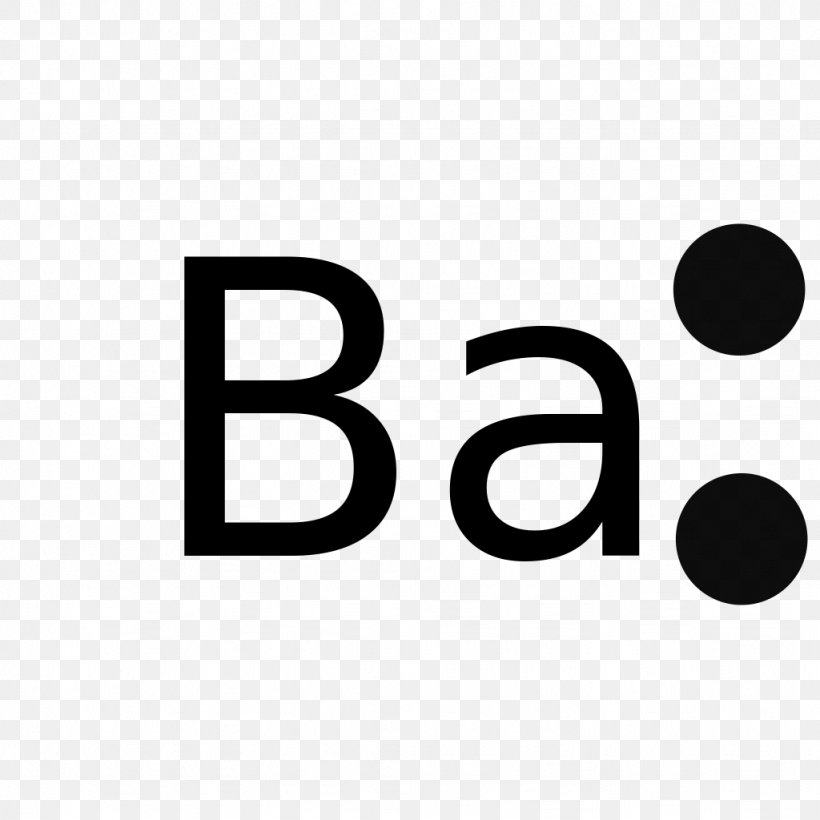
What is two?
300
This is the name for an atom when it gains or loses an electron, and thus, gains a positive or negative charge.
What is an ion?
300
The mass that an element has.
What is atomic mass?
300
What a covalent bond does when the atoms are heated up.
What is breaks apart/melts?
300
What a lone electron will do if it "senses" (atoms aren't alive) that there is another lone electron.
Bond with it (Buddy - Buddy)
300
Draw the electron dot diagram for Oxygen on a piece of paper.
What is 6 valence electrons?
400
An atom that LOSES an electron would become this type of charge.
What is a positive charge?
400
An atom that has more than the usual amount of neutrons.
What is an isotope?
400
The number of bonds that a carbon atom can form. These are usually covalent bonds.
What is 4 bonds?
400
The rule that states that an atom is stable if it has eight electrons in its valence shell.
What is the octet rule?
400
This is the maximum number that can be drawn outside an element in a dot diagram.
What are 8 electrons? (The octet rule!)
500
The reason that ionic bonds can conduct an electrical current.
What is due to the fact that electrons had to be physically rearranged to form the ionic bond?
500
If an atom were scaled up to the size of a football stadium, this is what its nucleus would be.
What is a marble on the 50 yard line?
500
The reason that covalent bonds form.
What is to balance out their valence shell?
500
These are what the sublevels on a shell are called (this was on that little diagram sheet I gave you).
What is an orbital?
500
What the dot drawing of an ionic bond between Sodium (Na) and Chlorine (Cl) looks like.
