SCI
Stroke
P&O/Amputee
TBI
MSK
100
This scale is the standard for classified neurological impairment after SCI
ASIA impairment scale
100
This artery is most commonly involved in ischemic stroke
MCA
100
An ankle-foot orthosis is most commonly prescribed for this gait abnormality
Footdrop
100
The most common cause of TBI in the U.S.
Falls
100
These impingement signs - Neer and Hawkins - test this shoulder region
Subacromial space
200
The most common cause of death in chronic SCI patients
Respiratory disease
200
Neglect and anosognosia most commonly occur after damage to this lobe in the brain
Right parietal lobe
200
A knee disarticulation prosthesis has this advantage over transfemoral amputation
Improved weight-bearing through the distal femur / longer lever arm
200
This post TBI condition causes fluctuating cognition and is assessed with the Galveston orientation and amnesia test (GOAT)
Posttraumatic amnesia
200
The structures most commonly torn in lateral ankle sprains
ATFL
300
Autonomic dysreflexia typically occurs at or above the spinal level
T6
300
The most evidence-supportive therapy for post-stroke upper extremity motor recovery is...
Constraint induced movement therapy (CIMT)
300
Excessive knee flexion during early stance in a transtibial amputee is often caused by this prosthetic alignment issue
Dorsiflexed foot or too anteriorly placed socket
300
Amantadine has used in TBI because it primarily enhances this neurotransmitter
Dopamine
300
This hip exam reproduces pain in femoroacetabular impingement
FADIR
400
This type of bladder dysfunction as expected in complete suprasacral SCI
Neurogenic spastic (hyper-reflexic) bladder
400
A patient with Broca's aphasia has this type of speech pattern
Nonfluent, intact comprehension, unable to repeat
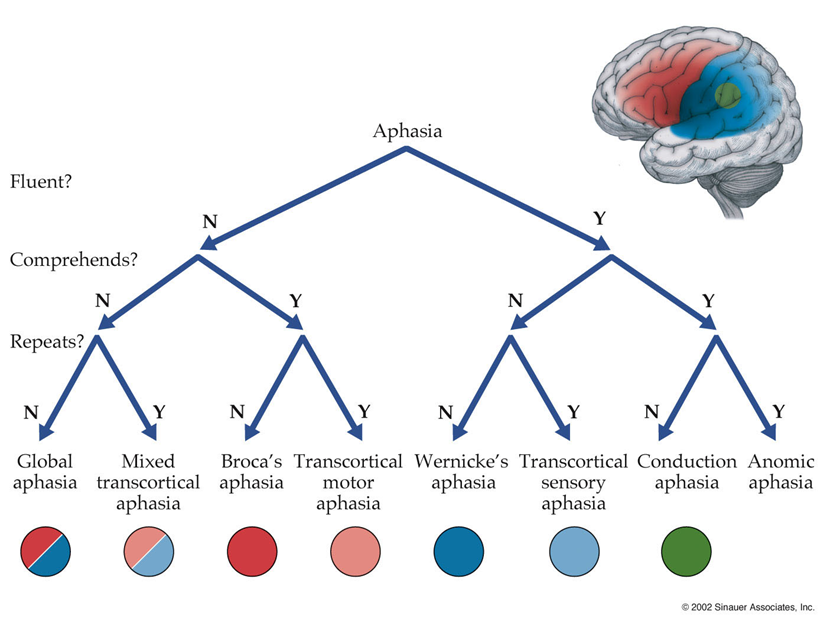
400
This prosthetic knee mechanism provide stance control by using braking friction during weight-bearing
Weight-activated stance control knee
400
Heterotopic ossification was commonly forms around this joint in TBI patient
Hip
400
This is the most sensitive imaging tests for diagnosing stress fractures
MRI
500
This spinal cord injury syndrome presents with preserved proprioception and vibration but lose in pain and temperature
Anterior cord syndrome
500
This medication can prolonged post-stroke recovery by treating spasticity but often worsens weakness
Baclofen
500
What is the increased energy expenditure of a patient with below-knee amputation with prosthesis?
About 100% increased energy expenditure
500
This syndrome describes behavioral disinhibition and impaired emotional regulation after frontal lobe injury
Orbito-frontal syndrome
500
The C6 myotome is best tested by this motor action
Wrist extension