Cells & Organelles
Cell Cycle
DNA
Central Dogma
Genetic Medicine
100
This structure determines what leaves and enters the cell.
What is the plasma membrane?
100
These are the phases of mitosis in their correct order. (Hint: Do not include interphase)
What are prophase, metaphase, anaphase, and telophase?
100
This is the long, complete name of DNA.
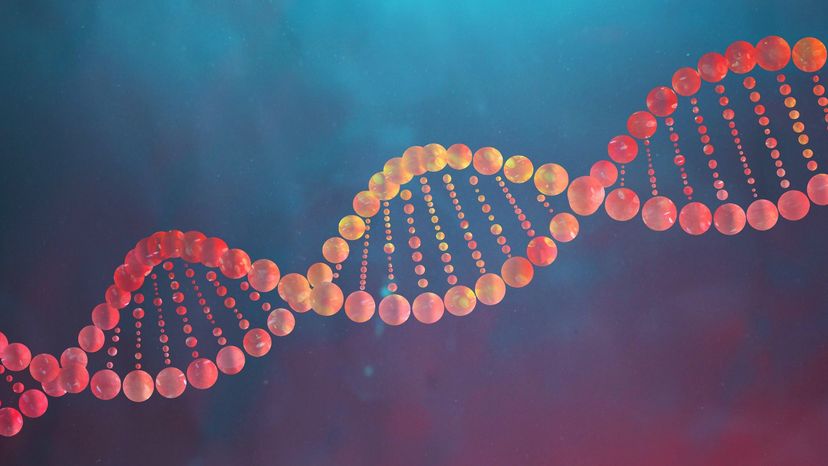
What is deoxyribonucleic acid?
100
This enzyme synthesizes a complementary strand of RNA from a DNA strand during transcription.
What is RNA polymerase?
100
This is an experimental technology that allows researchers to provide functioning copies of genes to cells with disease-causing versions of those genes. An example would be delivering a gene to improve color vision in primates using a viral vector.
What is gene therapy?
200
The rough endoplasmic reticulum contains this cell structure while the smooth endoplasmic reticulum does not.
What are ribosomes?
200
In the eukaryotic cell, the chromosomes in the nucleus duplicate during this phase of the cell cycle.
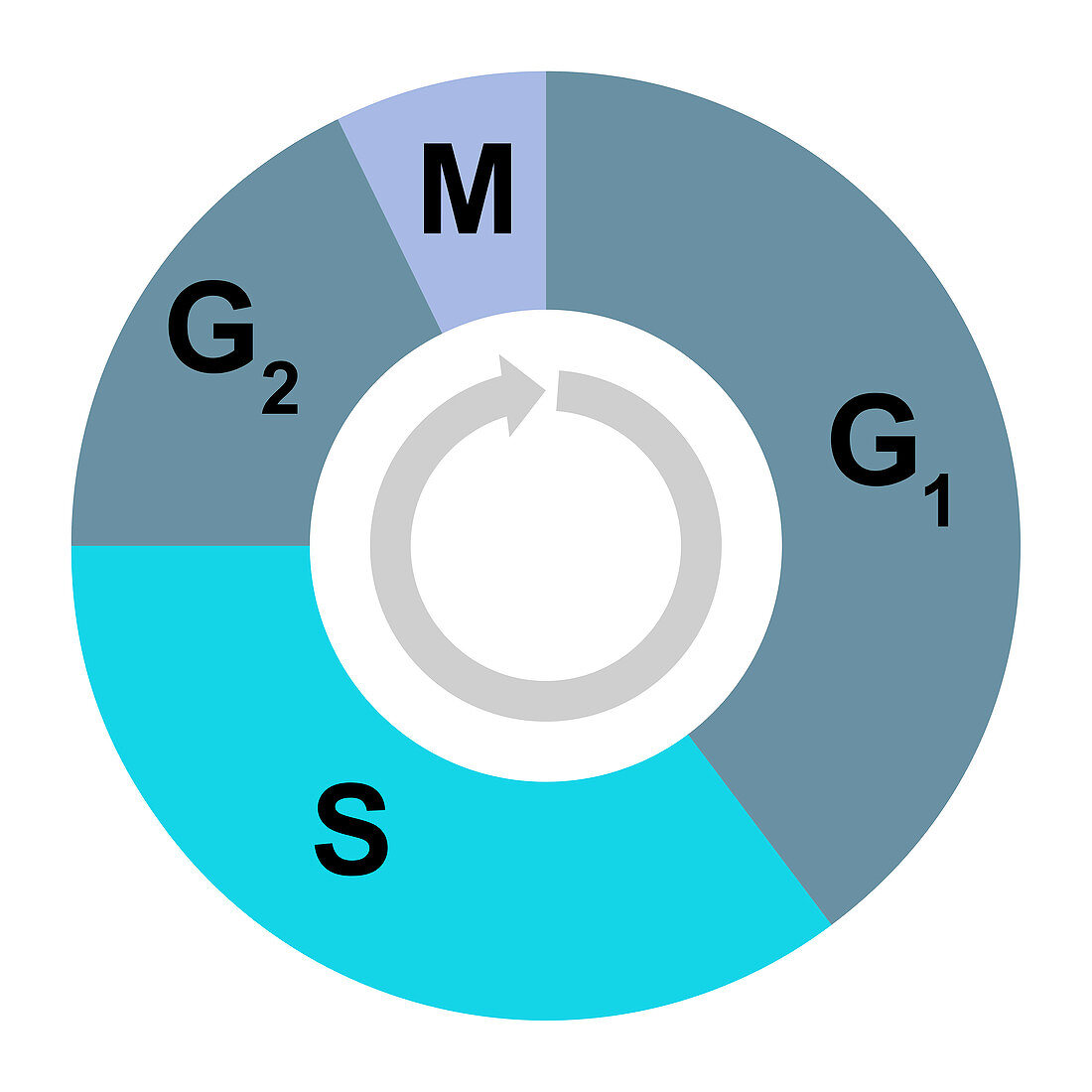
What is the S phase?
200
DNA molecules are packaged into these thread-like structures, which are tightly coiled many times around proteins called histones that support its structure.
What are chromosomes?
200
During this process, introns are excised from the DNA and the exons are bound together.
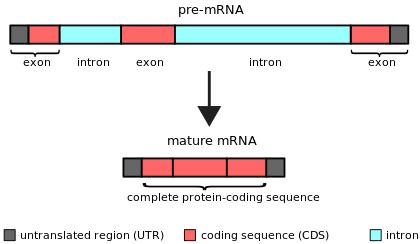
What is RNA splicing?
200
This molecule is comprised of a nuclease paired with an RNA fragment that can edit an organism's genome. This technology allows scientists to change a cell's DNA at a precise location and has a great potential to be used to treat genetic diseases.
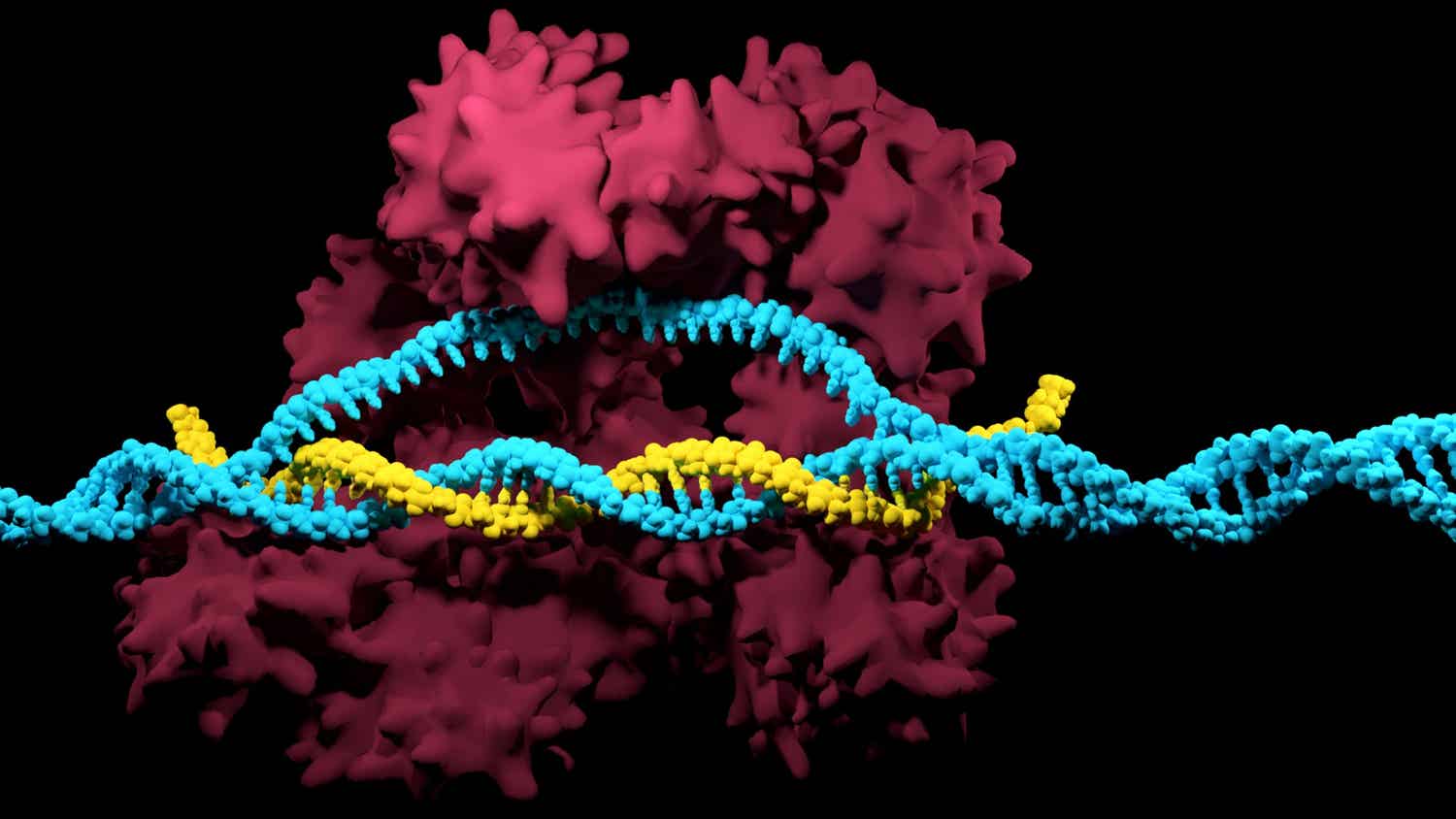
What is CRISPR-Cas9?
300
This organelle contains its own DNA, separate from the cell's DNA in the nucleus. The DNA within this organelle is more susceptible to damage than the rest of the genome because harmful free radicals are produced during ATP synthesis.
What are the mitochondria?
300
This process occurs when a cell's DNA has become damaged beyond repair. It is also known as "programmed cell death."
What is apoptosis?
300
RNA polymerase synthesizes an RNA strand in the 5' to 3' direction and reads the template DNA strand in the 3' to 5' direction. Therefore the template DNA strand and RNA strand can be described as this.
What is antiparallel?
300
This technology involves using small RNA segments to target various mRNAs for destructions, which reduces the expression of certain genes.
What is RNA interference (RNAi)?
300
This genetic technology targets noncoding, regulatory DNA sequences in the genome. They bind to regulatory proteins that turn the transcription of genes on or off.
What is a genetic switch?
400
Tay-Sachs is a rare, neurodegenerative disease in which the enzyme hexosaminidase A is dysfunctional. Due to this dysfunctional enzyme, glycosphingolipids are not able to be properply "digested" and end up accumulating in the brain and nerve cells. Based on this information hexosaminidase A is located in this organelle.
What are the lysosomes?
400
During this stage of interphase, the cell increases in size and produces new organelles.

What is the Gap 1 (G1) stage?
400
This molecule represents the main chemical difference between the backbone of an RNA molecule and the backbone of a DNA molecule.

What is a hydroxyl group?
400
During translation, the ribosome translates the mRNA code into amino acids. Each amino acid is brought to the ribosome by a special kind of RNA called this.
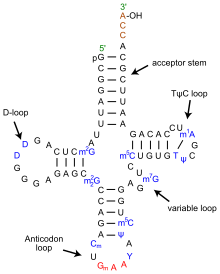
What is transfer RNA (tRNA)?
400
Gleevec binds to the active site of a mutated enzyme called BCR/ABL that is active in certain cancer cells. Gleevec prevents BCR/ABL from binding its regular substrate, stopping cancer from growing. Gleevec is an example of this type of genetic medicine.
What is a small molecule drug?
500
This organelle is known to underpin many important cellular functions, including trafficking, sorting and modifying proteins and lipids. Mutations to this organelle have been linked to Alzheimer's, Parkinson's and Huntington's disease.
What is the golgi apparatus?
500
The checkpoint at the end of this stage of interphase is considered the most important aspect of cell cycle regulation, as any potential problems with it can lead to cancer.

What is the Gap 2 (G2) stage?
500
One nucleotide of a DNA molecule consists of these three molecules. Several of these nucleotide monomers are joined by phosphodiester bonds to create a DNA molecule.
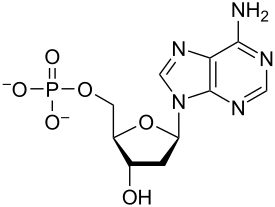
What is a phosphate group, a five-carbon sugar, and a nitrogenous base?
500
This type of chemical bonding is often found in the secondary structure of a protein, which causes the polypeptide to fold into loops, coils, barrels, helices, or sheets.
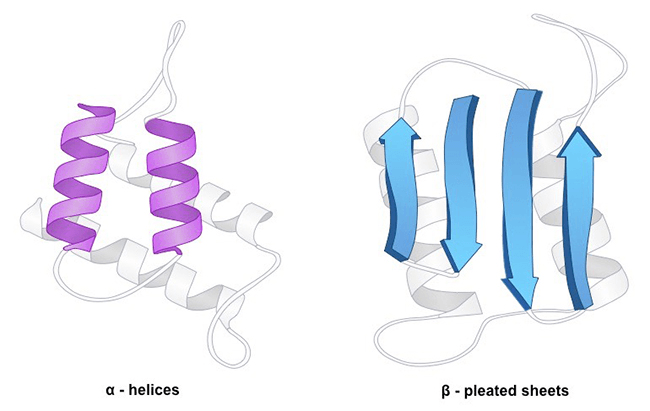
What is hydrogen bonding?
500
Genetic technology that changes how the primary RNA transcript of a gene with a disease-causing mutation is spliced, removing the mutation from the resulting mRNA.
What is exon skipping?