Skin in the Game
New Grad, Who Dis?
Don't Get CAUTI
Code Brown: C. Diff Edition
NG or Not NG
Open
200
This is the minimum frequency for turning or repositioning a patient to reduce friction and shear
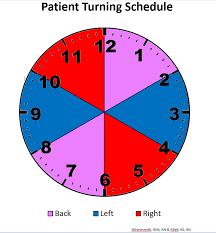
What is every 2 hours?
200
This theory says nurses pass through five levels of proficiency, from novice to expert.
What is Benner's Novice-to-Expert Theory?
200
This is the most effective strategy to prevent CAUTI in hospitalized patients.
What is avoiding unnecessary catheter use?
200
A patient develops frequent watery stools and is being evaluated for C. difficile. This is the type of isolation the nurse should initiate while the evaluation is underway.
What are Contact Precautions?
200
This is the standard method used to confirm placement of a newly inserted NG feeding tube before use.
What is radiographic (X-ray) confirmation?
200
This is where you chart admissions and discharges in EPIC.
What is the Navigator?
400
A Braden score at or below this number requires escalation of pressure injury prevention methods.
What is 18 or less?
400
In the transition model, this color represents the most acute stage, the one with transition shock.
What is red?
400
Name 2 risk factors for CAUTI.
What are being biologically female, having a urinary catheter in place for more than 48hrs, being an older adult?
400
After caring for a patient with C. difficile, this hand-hygiene method is preferred for physically removing C. diff spores.
What is washing hands with soap and water?
400
Before giving a medication, you notice the external tube marking has changed significantly from where it was documented earlier. This should be your first action.
What is stop and assess/verify tube placement before using the tube?
400

This is considered a self-care activity.
What is anything that helps you to relax and feel good?
600
This assessment/screening should be performed every shift, upon admission, and whenever there is a change affecting skin integrity.
What is the Braden Scale assessment?
600
These are the three stages of transition identified by Boychuck Duchscher.
What are Doing, Being, and Knowing?
600
The nurse recommends this for the 24hr post-operative patient who is ambulating independently and has a urinary catheter.
What is removal of the urinary catheter?
600
To decrease the risk of transmitting C. diff between patients, items such as this should be dedicated to the infected patient's room whenever possible.
What is patient-care equipment, such as a blood pressure cuff or stethoscope?
600
A patient receiving continuous tube feeding suddenly begins coughing, becomes short of breath, and their oxygen saturation decreases. This potentially serious complication should immediately be on the nurse's radar.
What is aspiration?
600
This is the person that the nurse resident should reach out to when they have a problem they don't know how to solve.
Who is the Clinical Site Coordinator?
800
These three body areas are the most common pressure points for developing pressure injuries.
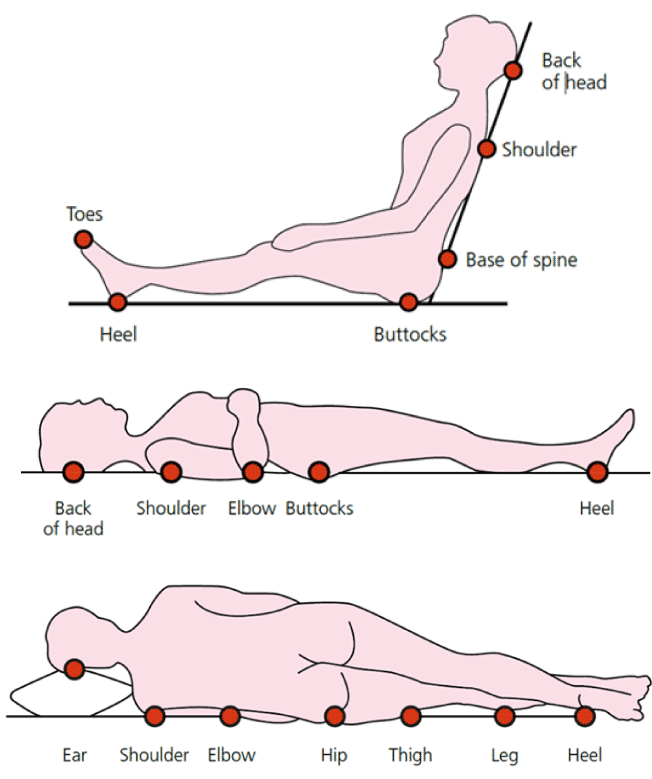
What are the sacrum, heels, and occiput?
800
These six issues are commonly cited as troublesome for new nurses in their first 12 months.
What are relationships with colleagues, organizing and prioritizing workload, workload demands, decision making, communication with physicians, and direct care judgments?
800
These are 3 indications for insertion of a urinary catheter.
What are comfort/end of life, continuous bladder irrigation, GU surgery, post void residual greater than 300.
800
Your patient's diarrhea has resolved and they ask, “Are you going to test my stool again to make sure the infection is gone?” This is the best nursing response.
What is “No, repeat testing to prove cure is not recommended because the test can remain positive even after symptoms resolve”?
800
You're giving several medications through a feeding tube. To help prevent medication interactions and tube occlusion, you should administer the medications separately and do this between medications.
What is flush the feeding tube with 5-15ml of water?
800
The nurse performs this at the bedside and is sure to involve the patient whenever possible.
What is Nurse Knowledge Exchange (NKE)?
1000
Moisture management is critical in preventing pressure injuries. Name two interventions to reduce moisture-related skin breakdown.
What are using moisture barriers (creams/pads) and frequent incontinence care?
1000
A new RN hides their feelings of inadequacy, struggles to set boundaries around their workload, and feels stressed about everything. This is the stage they are in, and the term for the 'reality shock' it can lead to.
What is the "Doing" stage (Stage 1, months 1–4), and what is transition shock?
1000
Name two alternatives to indwelling urinary catheters for managing urinary retention.
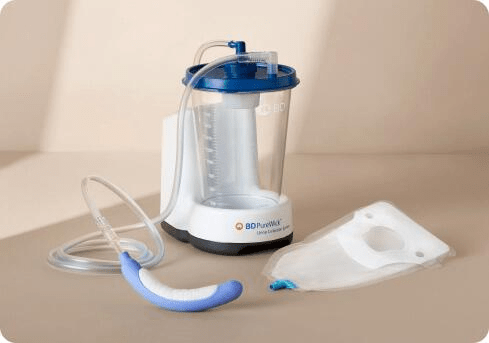
What are intermittent catheterization and flomax (tamsulosin)?
1000
A patient with C. difficile has had multiple watery stools during your shift. In addition to infection-control measures, name two important nursing assessments you should prioritize.
What are hydration/fluid status and electrolyte status?
1000
Your patient is receiving enteral nutrition. During your assessment, you notice abdominal distention, nausea, vomiting, and increasing discomfort. Instead of simply continuing the feeding, the nurse's priority is to do this.
What is pause/hold the feeding, assess the patient for feeding intolerance or another complication, and escalate according to the clinical findings and facility protocol?
1000
Nurse residents are considered ready for independent practice when they can safely do this.

What is manage a full patient assignment?