East Asia (China, Korea, Japan)
Dar al-Islam
South and Southeast Asia
Americas
Africa
100
What was the capital of the southern Song Dynasty?
Hangzhou
100
The Abbasids established the House of Wisdom in their capital at ___________
Baghdad
100

This temple at Angkor Wat, in both its architecture and its use, reflects the interaction between which religions?
Hinduism and Buddhism
100
These people built large housing structures using stones and clay, some of which included hundreds of rooms.
The Chaco
100
Through coastal ports such as Mombasa, Kilwa, and Mogadishu, traders blended Bantu and Arabic to develop this new language
Swahili
200
Give an example of a syncretic religion that developed in East Asia during this time (1200-1450)
Neo-Confucianism (blended Daoism, Buddhism and Confucianism)
200
In _____________, Mamluks seized control of the government and established the Mamluk Sultanate.
Egypt
200

This mosque was built on a Hindu temple under the rule of which kingdom?
Delhi Sultanate 13th through the 16th centuries
200
In the Inca empire, this system called __________, was a form of mandatory public service. Men between the ages of 15 and 50 provided agricultural and other forms of labor, including the construction of roads.
the mit'a system
200
What influence did Islam have on the kingdom of Mali?
Mali's founding ruler, Sundiata, was a Muslim and used his connections with others of his faith to establish trade relationships with North African and Arab merchants. His nephew, Mansa Musa, made a pilgrimage to Mecca and freely gave gold to those kingdoms through which he passed. When he returned to Mali he created Timbuktu as a place for Muslim worship and learning.
300
Explain the Japanese social hierarchy that emerged when the Heian court declined and the Minamoto clan took charge.
Emperor
Shogun
Daimyo
Samurai
Peasant
300
How was the status of women in Islam during this time period (1200-1450) different from that of women in Europe?
Women could study and read. Women were allowed to inherit property and retain ownership after marriage. They could remarry if widowed, and could receive a cash settlement if divorced. A wife could initiate divorce. Women could practice birth control.
300
These Muslims did missionary work in Southeast Asia. Because of their tolerance for local faiths, people felt comfortable converting to Islam. They could be Muslims and still honor local deities.
Sufis
300
The Aztecs built floating gardens called ____________ to grow crops like maize, beans, squash, tomatoes, and chili peppers.
Chinampas
300
How was Ghana impacted by the trans-Saharan trade network?
Ghana was founded during the 5th century (two centuries before the time of Muhammad) but reached its peak of influence from the 8th to the 11th centuries. Ghana's rulers sold gold and ivory to Muslim traders in exchange for salt, copper, cloth and tools. In Ghana's capital city, Koumbi Saleh, the king made sure merchants were taxed to protect the trade network and generate revenue that contributed to a centralization of power.
400
In what way(s) did Korea differ politically from China?
The landed aristocracy were more powerful in Korea than in China. The civil service exam was not open to peasants. Korea did not have a truly meritocratic system.
400
The Canon of Medicine is an encyclopedia of medicine in five books compiled by this Muslim Persian physician-philosopher.
Avicenna or Ibn Sina
400
In 1431, the Thais of the Sukhothai Kingdom invaded ___________ forcing the Khmers out.
The Khmer capital of Angkor Thom
400

quipu
400
From the 12th through the 16th centuries this was one of the few Christian kingdoms in East Africa.
Ethiopia
500
In what way(s) did Vietnam differ culturally and politically from China?
Vietnamese women rejected footbinding, polygyny and enjoyed greater independence, . They preferred living in nuclear families (wife, husband and children). Scholar-officials in Vietnam owed allegiance to village peasants, rather than an emperor. Villages operated independently from a national government, making centralization nonexistent.
500
He tried to show that Islamic religion was compatible with reason by writing numerous commentaries on Aristotle's philosophy, for which he was known in the Western world as The Commentator.
Averroes or Ibn Rushd
500
Beginning in the 12th century, this Hindu movement began to draw upon traditional teachings about the importance of emotion in spiritual life. Rather than emphasize studying texts or performing rituals, they focused on developing a strong attachment to a particular deity. They did not discriminate against women or people of low social status.
Bhakti Movement
500
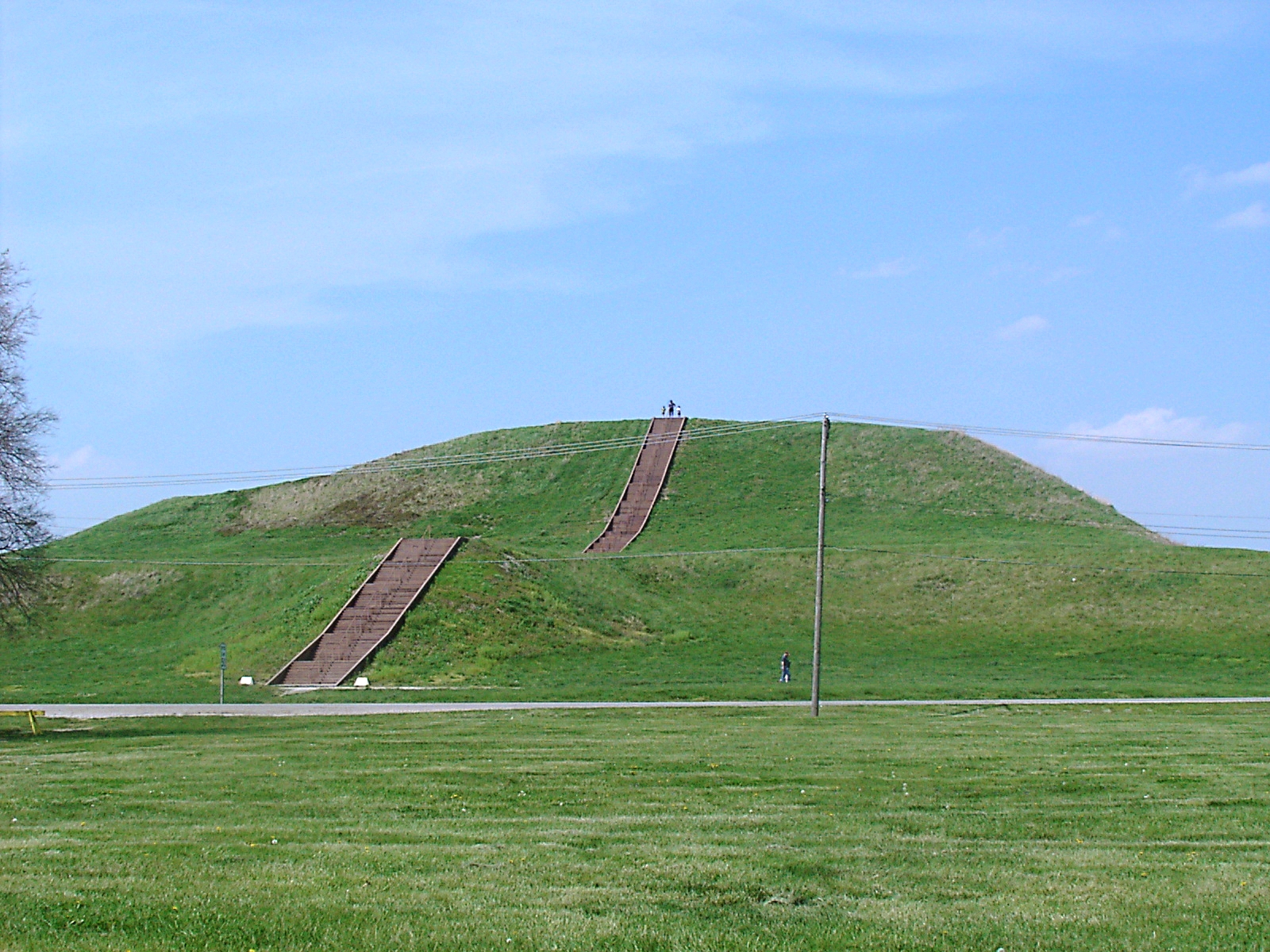
Cahokia
500
How did the Great Zimbabwe decline?
Famine, water shortages, overgrazing and drought damaged the surrounding environment that residents of the bustling capital city abandoned it by the end of the 1400s.