Main Idea Central Idea
Theme
Point of view
Figurative Language
Text Features
100
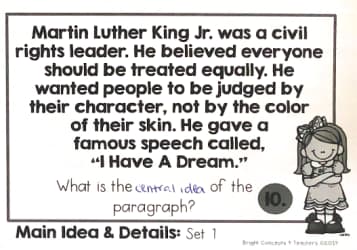
What is the central idea of the paragraph?
A. King was a civil rights leader.
B. King gave a famous speech.
C. King believed people should be treated equally.
A. King was a civil rights leader.
100
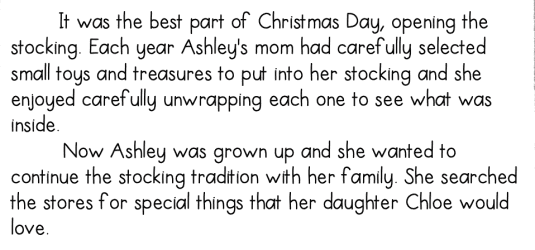
What is the theme?
A. Honesty is the best policy.
B. Importance of family/ traditions
C. Fears
D. Crime doesn't pay.
B. Importance of family/ traditions
100
A narrator is...
A. always the antagonist
B. The person who tells the story.
C. always the protagonist.
D. the person who is reading the story. (like you)
B. The person who tells the story.
100
What does the idiom "Butterflies in my stomach" mean?
I am nervous.
100
What is the name of this text feature?
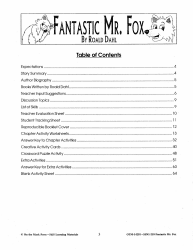
Table of contents
200
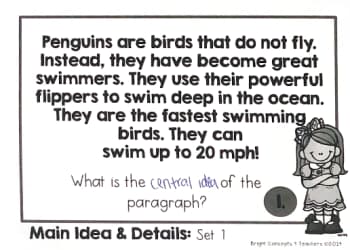
What is the central idea of the paragraph?
A. Penguins are great swimmers
B. Penguins are birds that can't fly.
C. Penguins can swim up to 20 mph!
A. Penguins are great swimmers
200
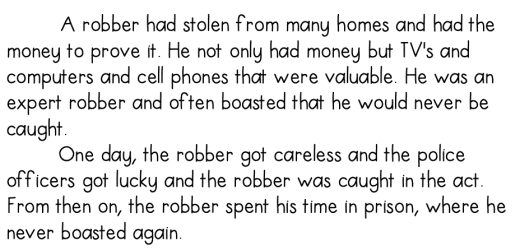
What is the theme?
A. Honesty is the best policy.
B. Importance of family/ traditions
C. Fears
D. Crime doesn't pay.
D. Crime doesn't pay.
200
Point of view
A. told from the narrator's point of view using "I"
B. the perspective from which a story is told.
C. Narrator uses pronouns such as "he, she, they"
D. where and when the story takes place.
B. the perspective from which a story is told.
200
What is a simile?
A. when you are happy and smile
B. Comparing two things without using like or as.
C. Comparing 2 things using like or as.
C. Comparing 2 things using like or as.
200
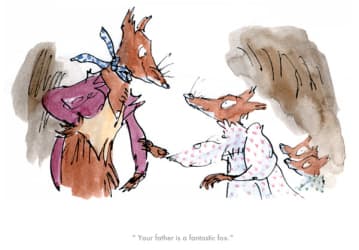
Name this text feature.
A. illustration
B. Map
C. Diagram.
D. Photographs with captions.
A. illustration
300
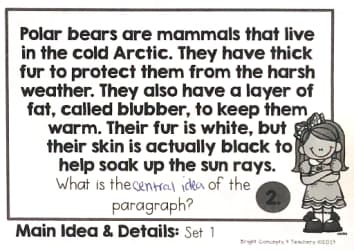
What is the central message of the paragraph?
A. Polar bears have black skin.
B. Polar bears have thick fur.
C. Polar bears are mammals of that live in the Artic.
C. Polar bears are mammals of that live in the Artic.
300
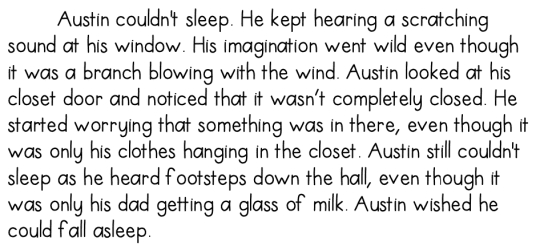
What is the theme?
A. Honesty is the best policy.
B. Importance of family/ traditions
C. Fears
D. Crime doesn't pay.
C. Fears
300
Third person point of view
A. told from the narrator's point of view using "I"
B. the perspective from which a story is told.
C. Narrator uses pronouns such as "he, she, they"
D. where and when the story takes place.
C. Narrator uses pronouns such as "he, she, they"
300
What is a metaphor?
A. when you are happy and smile
B. Comparing two things without using like or as.
C. Comparing 2 things using like or as.
B. Comparing two things without using like or as.
300
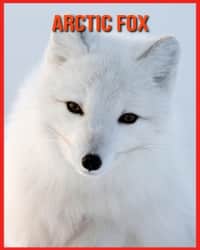
Name this text feature.
A. illustration
B. Map
C. Diagram.
D. Photographs with captions.
D. Photographs with captions.
400
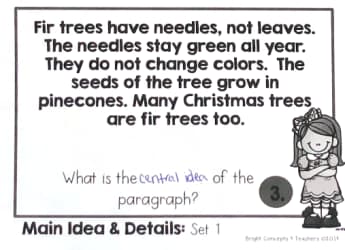
What is the central message of the paragraph?
A. Fir trees have needles, not leaves.
B. Fir trees do not change colors.
C. Christmas trees are a type of fir tree.
A. Fir trees have needles, not leaves.
400
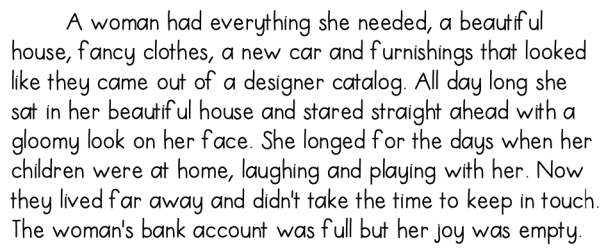
What is the theme?
A. Crime doesn't pay
B. Money can't buy you happiness.
C. Courage
D. Fears
B. Money can't buy you happiness.
400
First person point of view
A. told from the narrator's point of view using "I"
B. the perspective from which a story is told.
C. Narrator uses 3rd person pronouns such as "he, she, they"
D. where and when the story takes place.
A. told from the narrator's point of view using "I"
400
What does Onomatopoeia mean?
A. A person
B. An object.
C. A noise.
D. A answer to a question.
A noise.
400
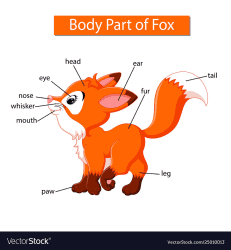
Name this text feature.
A. illustration
B. Map
C. Diagram.
D. Photographs with captions.
Diagram
500
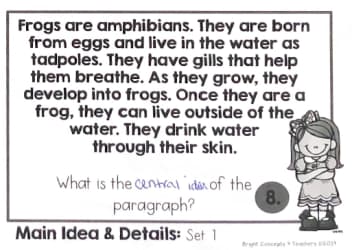
What is the central idea of the paragraph?
A. Frogs drink water through their skin.
B. Frogs are amphibians
C. Tadpoles turn into frogs.
B. Frogs are amphibians
500
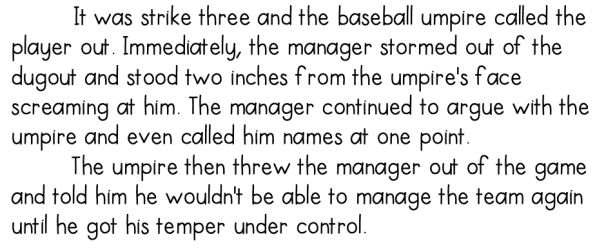
What is the theme?
A. self control
B. hope
C. courage
D. overcoming adversity.
A. self control
500
What does the idiom "Break a leg" mean?
Good luck
500
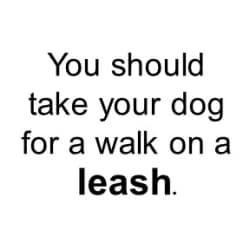
What is the name of this text feature?
Bold print