WHAT TYPE?
WHAT KIND OF?
WHICH IS IT?
WHICH IS?
BONUS?
1
This emphasizes strong group ties, where individuals see themselves as part of families, communities, or clans rather than as independent entities.
Collectivistic Culture
1
emphasize achievement, success, competition, and clearly defined gender roles.
Masculine cultures
1
This is an example of Nigerians embracing that culture by showing communal celebration and community support
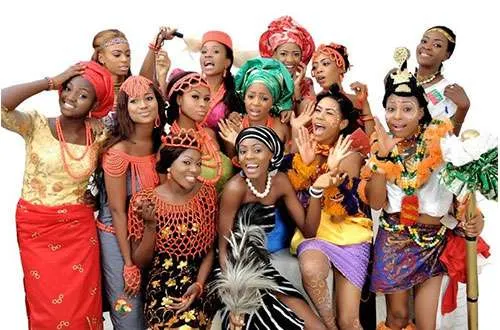
Collectivistic Culture
1
an example is this picture that shows the man as the head or provider of the family because Nigerians believe in that.
MASCULINE culture
1
most populated country in africa
Nigeria
2
communication relies heavily on nonverbal cues, shared experiences, tone, and implicit understanding rather than direct verbal messages.
HIGH-CONTEXT culture
2
focus on tradition, social obligations, and immediate outcomes rather than long-term planning.
Short-term oriented cultures
2
An example of that is Bowing in the Yoruba culture, where it is a deep sign of respect for elders and authority
HIGH - CONTEXT CULTURE
2
this an example of a Nigerian taking loan for a wedding even though they lack the financial security
SHORT-TERM ORIENTATION culture
2
the type of currency Nigeria use
The naira
3
view time as flexible, allowing people to handle multiple tasks at once and prioritize relationships over strict schedules.
Polychronic cultures
3
Like in the Philippines, Nigeria also has a term called "African time", meaning to adopt a relaxed, flexible attitude toward scheduling and punctuality, frequently resulting in meetings or events starting later than announced.
POLYCHRONIC culture
3
is BSN 1-F's AY 2025 - 2026 GPCOM Professor's Name
Mrs. Daisy L. Floresca
4
are more comfortable with ambiguity, change, and flexible rules
Low uncertainty avoidance cultures
4
An example of this is Nigerians making herbal medicine, because many people cannot afford modern ones, so they have to improvise
LOW–UNCERTAINTY AVOIDANCE culture
4
the exchange of information, ideas, and feelings between individuals or groups, involving a sender, message, and receiver
Communication
5
accept unequal distribution of power and expect respect for authority and hierarchy.
High-power distance cultures
5
this is an example of that culture because Elders, leaders, teachers, and managers are shown strong respect,
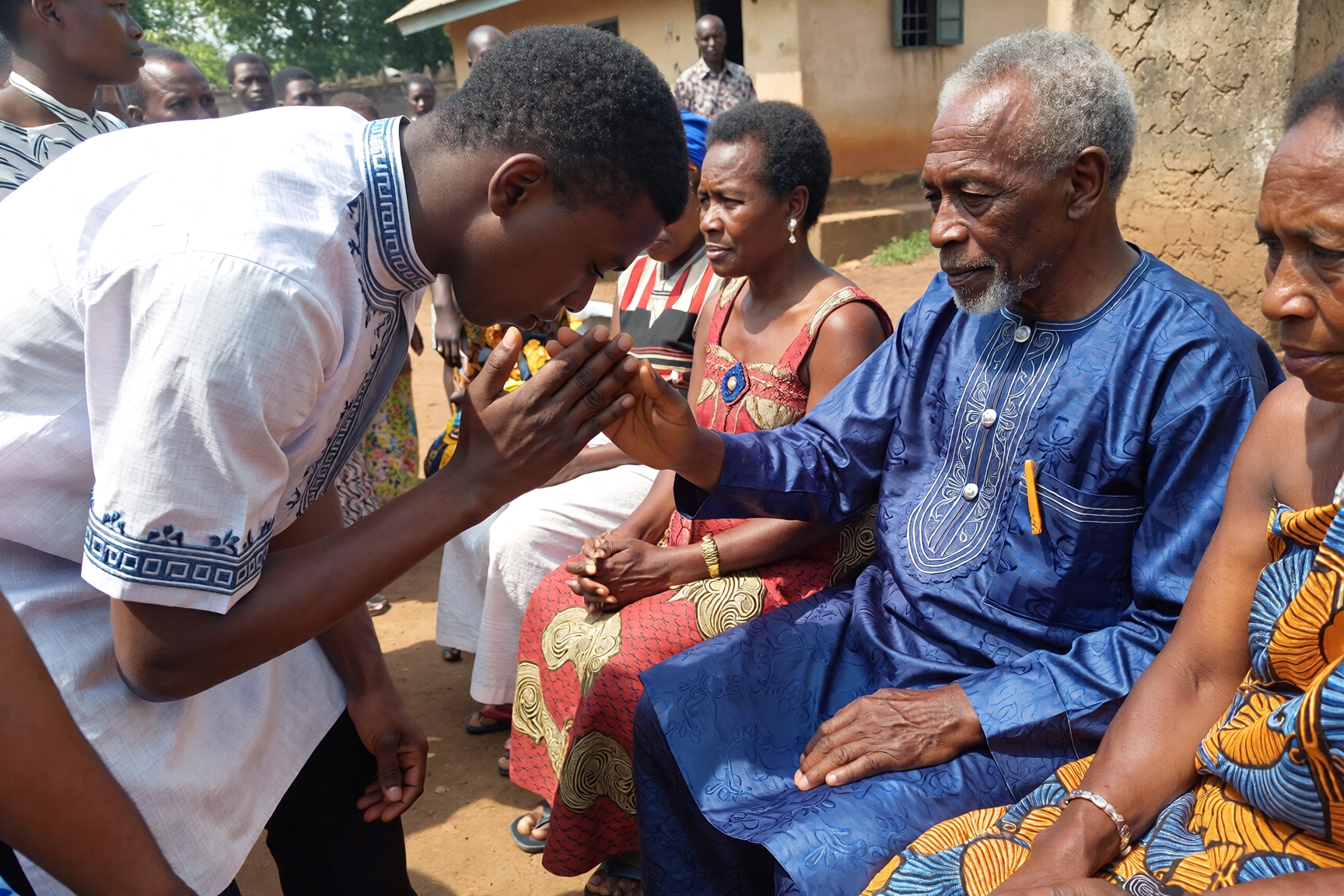
HIGH–POWER DISTANCE culture
5
is the Class Code for GPCOM
5149