Energy
Types
Hot or Cold?
On the Move
Chemical Reactions
100
What do we call the ability to cause change? (p.162)
Energy
For example: energy can change the temperature of a pot of water, or it can change the direction and speed of a baseball.
100
When a light bulb is turned on, electric energy is converted into what two types of energy?
Light and heat
100
What is the measure of the average kinetic energy of the particles in an object? (p.171)
Temperature.
When an object's temperature is higher, its atoms or molecules have more kinetic energy.
Two common temperature scales are Fahrenheit and Celsius.
100
What do we call materials through which it is easy to transfer energy or heat? (p.175)
Thermal Conductors.
Most metals are good conductors of heat.
100
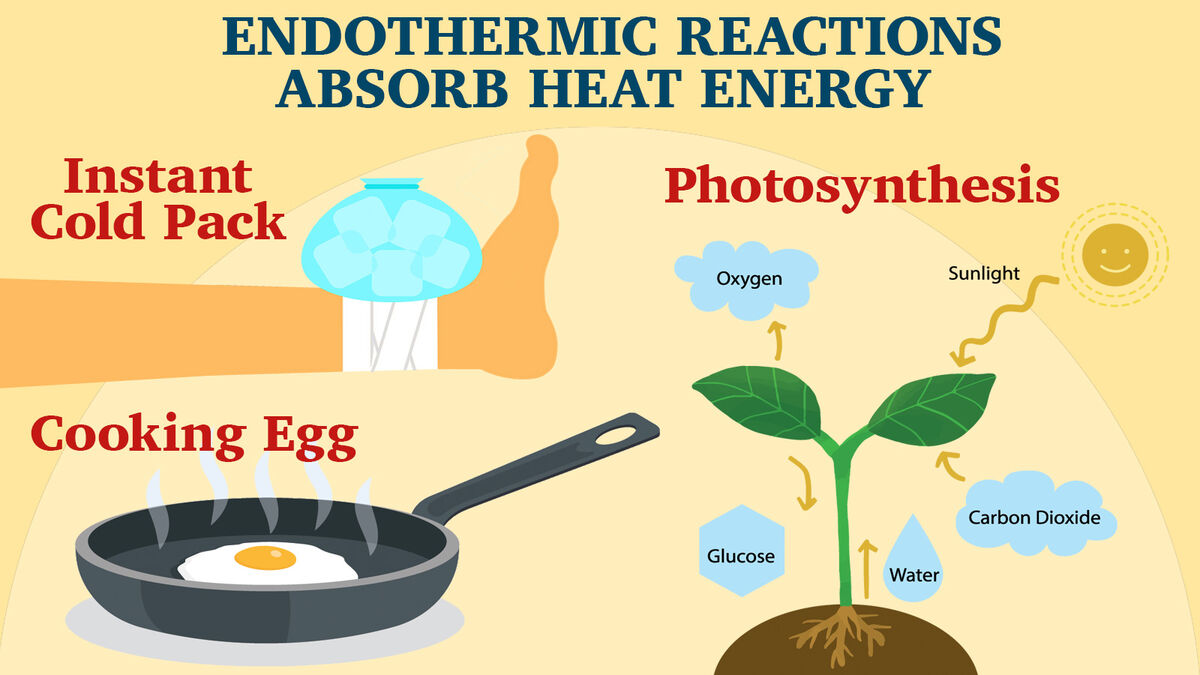
What do we call a chemical reaction that absorbs heat energy? (p.180)
Endothermic reaction.
200
What states that "energy cannot be created or destroyed. It can only be transformed from one form to another"? (p.168)
The law of conservation of energy.
Because of this, the total amount of energy in the universe never changes. The only change is in the form that energy appears in.
200
Wind blows the blades of a windmill and causes it to turn. What type of energy do the windmill blades have?
Kinetic energy
200
What do we call the transfer of energy from one object to another due to a difference in temperature? (p.173)
Heat.
Heat flows from warmer objects to cooler ones.
200
What do we call materials that are poor conductors of heat? (p.175)
Thermal Insulators.
Air, many fabrics, plastics, wood, rubber, and ceramic materials are insulators.
200
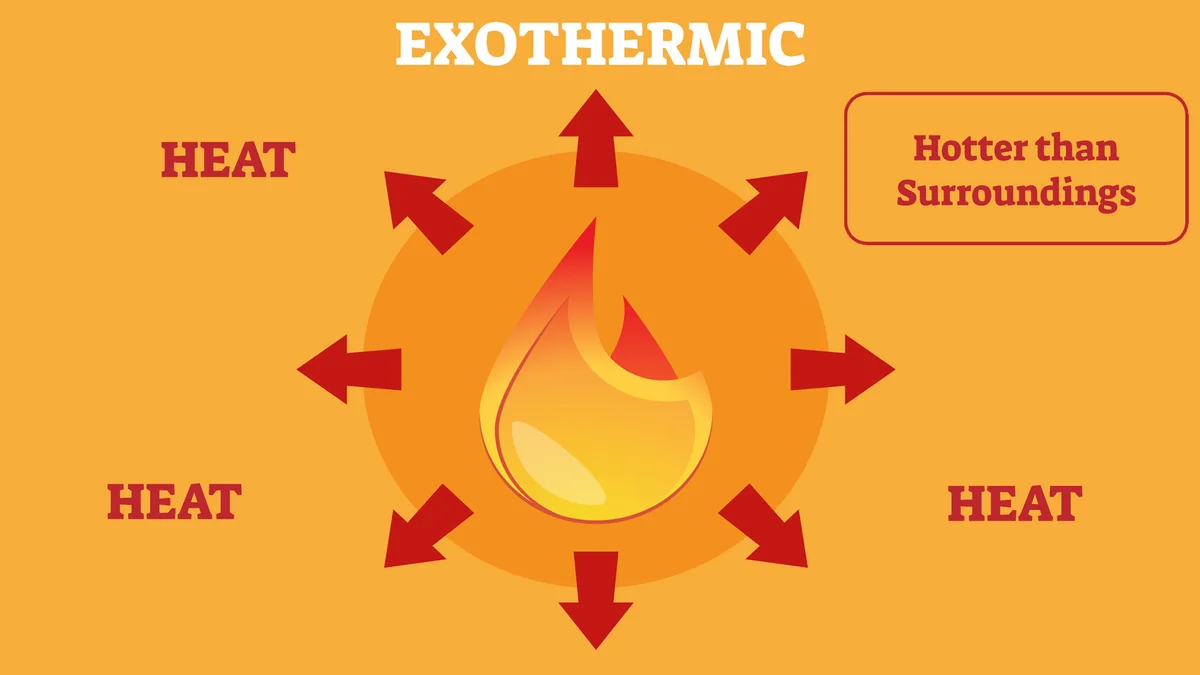
What do we call a chemical reaction that releases heat energy? (p.181)
Exothermic reaction.
300
What is the energy that an object has due to its motion? (p.164)
Kinetic energy.
The amount of kinetic energy an object has depends on the mass and speed of the object.
300
What type of energy "is stored in the bonds between the atoms of a compound"? It is the type of energy that is stored in food or a battery. (p.179)
Chemical energy.
300
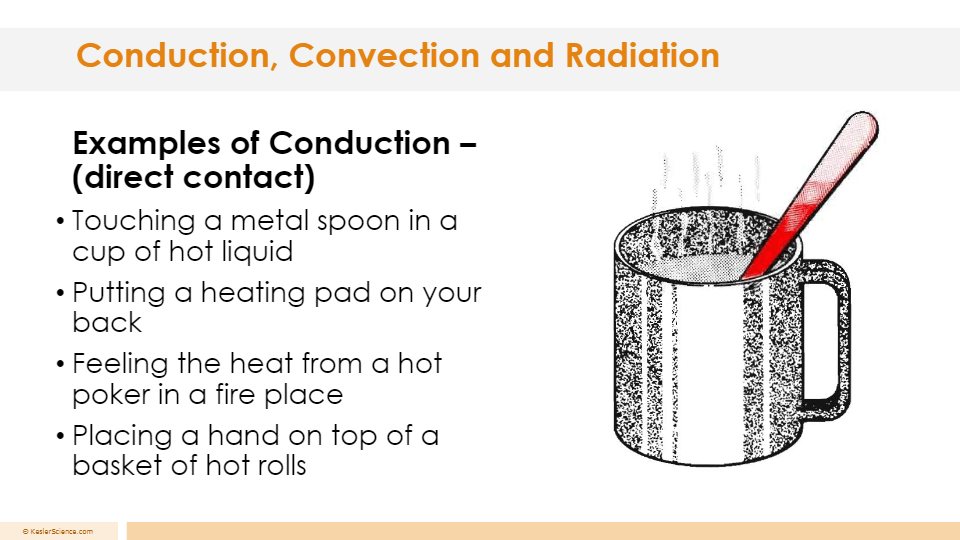
What is the transfer of energy by collisions between the atoms and molecules in a material? (p.174)
Conduction.
300
True or false? Water can absorb and lose a great deal of heat without changing temperature much. (p.174)
TRUE! During the winter, a lake is warmer than the surrounding land. During the summer, a lake is cooler than the surrounding land.
300
True or false? All chemical reactions occur at the same rate. (p.181)
FALSE. They occur very fast when fireworks explode, but slowly when a metal item becomes rusty.
400
What do we call energy that is stored because of an object's position? (p.166)
Potential energy.
If an object is raised above its original position, it has the potential to fall. If it does fall, it has kinetic energy. You transfer energy to the object when you lift it.
400
What type of energy transformation occurs during photosynthesis? (p.180)
Plants absorb light energy and convert it into chemical energy contained in a type of sugar.
400
What is the transfer of heat when particles move between objects or areas that differ in temperature? (p.176)
Convection.

400
True or false? Heat rises. (p.177)
TRUE!
400
What do we call a substance that changes the rate of a chemical reaction without any permanent change to its own structure? (p.182)
A catalyst.
500
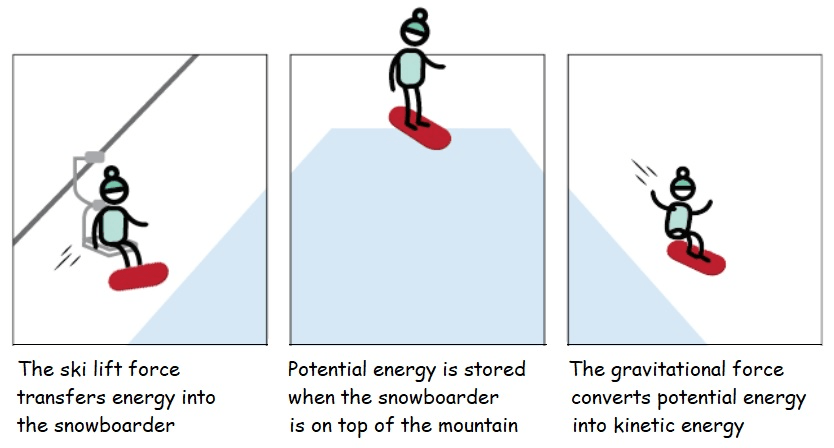
True or false? Potential energy can be transformed into kinetic energy, but kinetic energy cannot be transformed into potential energy. (p.167)
FALSE! Kinetic energy can transform into potential energy, and back again... like in the situation below with the snowboarder!
500
What type of energy is stored in the nuclei of atoms? It is the type of energy that is used in some power plants to produce electricity. (p.162)
Nuclear energy.
500
What is the transfer of energy by waves? (p.177)
Radiation.

500
What do we call currents that form when hot, thin air rises up through cooler, dense air? (p.177)
Thermals. These are the types of air currents on which that you may see birds circling high in the sky without having to flap their wings.

500
What is the name of the catalyst that is present in our body that control many of our cell processes? (p.182)
Enzymes are found throughout our bodies, and are important for growth, respiration, and digestion.