Category 1
Category 2
Category 2
Category 3
Category 4
Category 5
Category 6
100
Where gas exchange occurs in the respiratory system.
Alveoli
100
These organs filter blood
Kidneys
100
Produces adreneline
What is the adrenal gland
100
An allergic reaction that makes inhaling difficult
Asthma
100
What determines if you have + or - blood type?
Rh protein
100
The three main parts of your nervous system
brain, spinal cord, nerves
100
Gland that produces insulin to regulate your blood sugar
What is the pancreas
200
Tubes that carry air from the trachea to the lungs
bronchi
200
The gland that controls your sleep/wake patterns and seasonal body changes
What is the pineal gland
200
Two glands that produce testosterone and estrogen
Testes and Ovaries
200
This is a breakdown of the alveoli that is caused by smoking
Emphysema
200
Respiratory disorder caused by tumors formed as a result of being exposed to tobacco smoke
What is lung cancer
200
Inherited disorder affecting the respiratory and digestive systems.
What is Cystic Fibrosis
200
Small airways that connect your bronchi to the alveoli
What are bronchioles
300
During gas exchange in the respiratory system, Carbon Dioxide diffuses from _________ to _________.
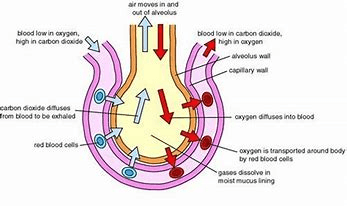
From the blood to the lungs/ alveoli
300
The three kinds of neurons in your body
sensory, interneurons, motor neurons
300
Gland that controls calcium in the blood
What is the parathyroid
300
Organ that produces insulin to regulate blood sugar
pancreas
300
Covers the alveoli for gas exchange
Capillaries
300
What are the two parts of the central nervous system?
What makes up your peripheral nervous system?
brain, spinal cord
nerves
300
Organ that produces urea from digested proteins and breaks down many substances in the blood including toxins
What is the liver
400
Put these organs in order as air flows through them: pharynx, larynx, nasal cavity, trachea
nasal cavity, pharynx, larynx, trachea
400
This organ stores urine
Urinary Bladder
400
Gland that controls growth, water balance and blood pressure.
What is the pituitary gland?
400
Tubes that carry urine from the kidneys to the bladder.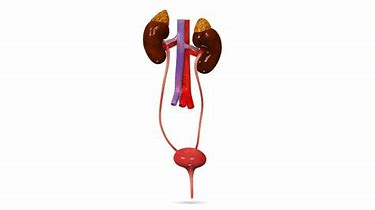
What are the ureters
400
Tubes in your kidneys that filter out waste from your blood
What are nephrons
400
What happens to your diaphragm, chest cavity volume and air pressure in your lungs when you inhale?
contracts/pulls down, increases, pressure lowers
400
Name the two divisions of the peripheral nervous system and what they control
somatic- voluntary actions
Autonomic- involuntary actions
500
When you exhale, what happens to the diaphragm, chest cavity volume and air pressure?
diaphragm relaxes, constricts, increases
500
Tube through which you urinate
Urethra
500
What gland works in both the nervous and endocrine system and controls the pituitary gland?
hypothalamus
500
What antigens are found on the RBC of someone who has type O blood?
None
500
What blood type can type B blood receive from?
B and O
500
Name the three parts of the brain and what they control.
cerebrum- thinking, memory
cerebellum- balance, coordination
medulla- involuntary actions
500
Using the pituitary and hypothalamus glands, explain how the endocrine system works as a negative-feedback system.
Hypothalamus senses low energy- pituitary releases TSH- thyroid produces thyroxine- hypothalamus senses enough- pituitary releases TSH- thyroid stops producing thyroxine