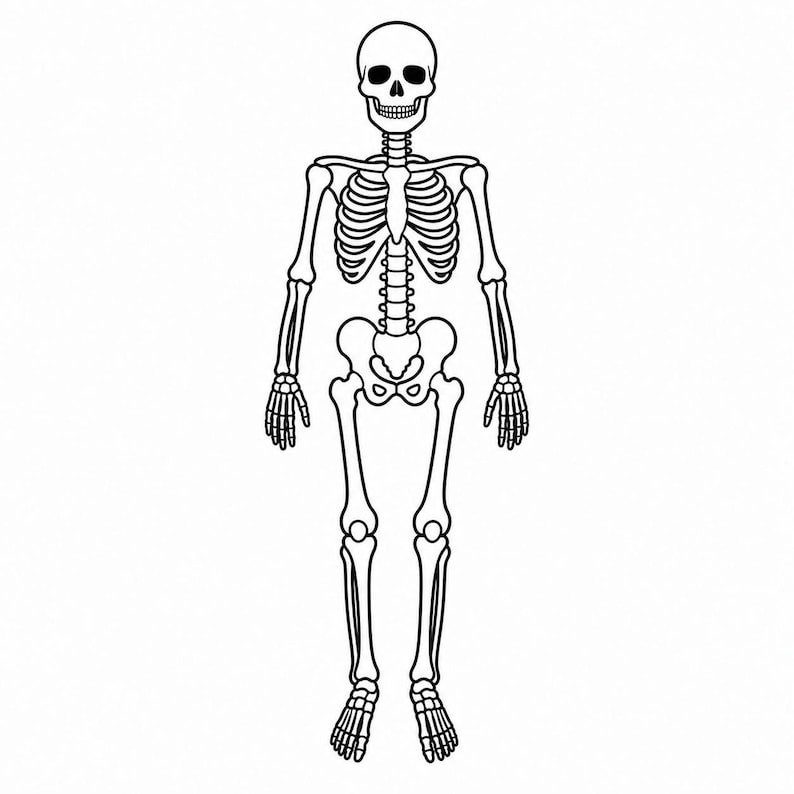
Skeletal System
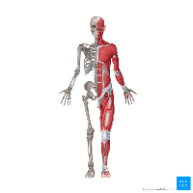
Muscular System
Digestive System
Circulatory System
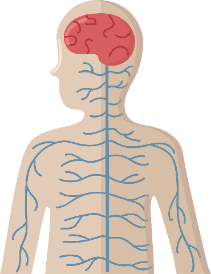
Nervous System
100
Does the skeletal system support the body?
Yes
100
skeletal system connected?
together to help your body move.
100
Why do you need food?
It provides the energy you need to stay alive and to grow.
100
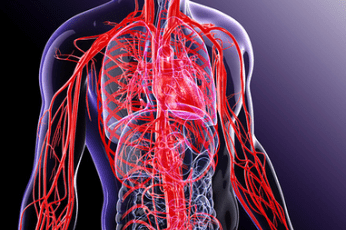
What are the tubes called that blood moves through?
Blood Vessels
100
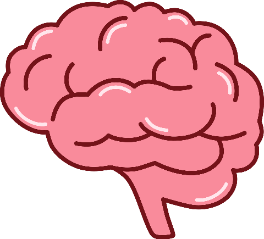
What body part controls movement, memory, thoughts, and your 5 senses.
The brain
200
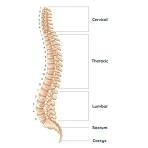
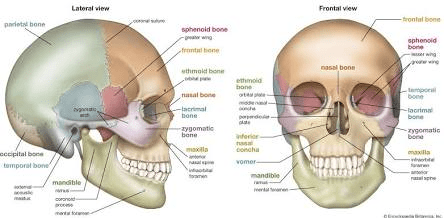
Is the spine and skull apart of the skeletal system?
Yes! The spine and skull are parts of the skeletal system.
200
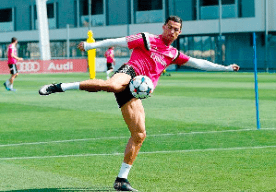
Does kicking a ball use voluntary muscles?
Yes! You control these muscles with your brain.
200
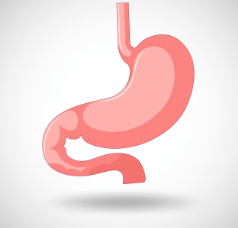
Are the stomach muscles voluntary or involuntary?
They are involuntary!
200
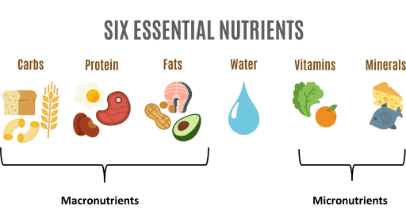
What two things does your blood carry around your body?
Oxygen and Nutrients
200
What body part helps messages travel from your brain to the rest of your body?
The spinal cord
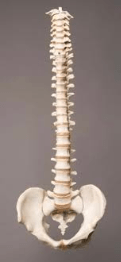
300
How many bones are in the human body?
206 bones
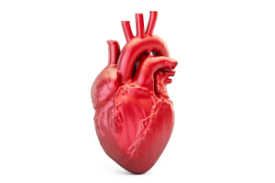
300
Which organ pumps blood and is an involuntary muscle?
The heart!
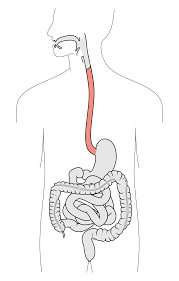
300
What is the body part called that helps your food travel from your mouth to your stomach?
Esophagus
300
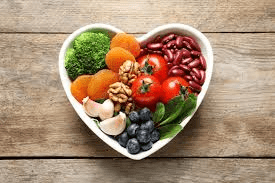
How do you keep the heart healthy?
Exercise and eating healthy!
300
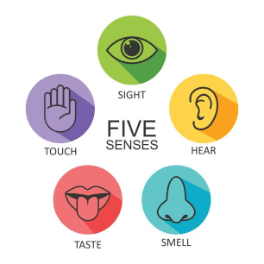
What are the 5 senses?
Sight, smell, taste, hearing, touch
400
What does your skull protect?
Your brain! 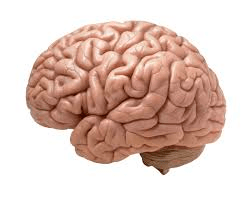
400
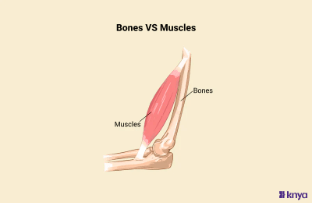
Tendons are rope-like bands under the skin. What two things do they join together?
Muscle and bones.
400
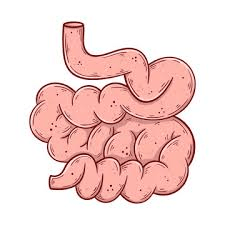
Where does your food go after it is in your stomach?
The small intestine
400
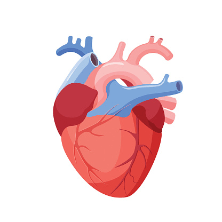
Where do veins carry blood?
To the heart.
400
Is your brain big or small?
Small
Did you know.... The newborn brain weighs approximately 350g at birth and a whopping 1kg by the time the baby celebrates their first birthday. That means the brain almost triples in size in only 12 months! To put this into perspective, the brain of a 6-year-old weighs 1.2kg and the brain of an adult is 1.4 – 1.5kg.

500
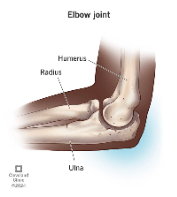
What is a joint? Bonus: name one.
A joint is where two bones meet together. It helps move your bones.
Elbow, shoulder, knee all have joints.
500
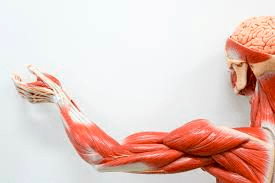
What is the difference between voluntary and involuntary muscles?
A person must decide to move voluntary muscles, but involuntary muscles work on their own.
500
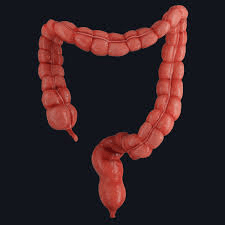
Where does your food go after your small intestine?
The large intestine
500
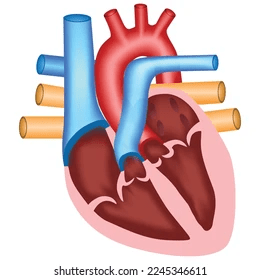
How many chambers does the heart have?
4
500
How do the 5 senses send messages to the brain?
Through the nerves.