Greco-Roman Foundations
Gods & Culture
Athens vs Sparta
Persian Wars
Roman Republic Drama
Roman Empire & Fall
WILDCARD!!!
200
Q: This island was home to the Minoans.
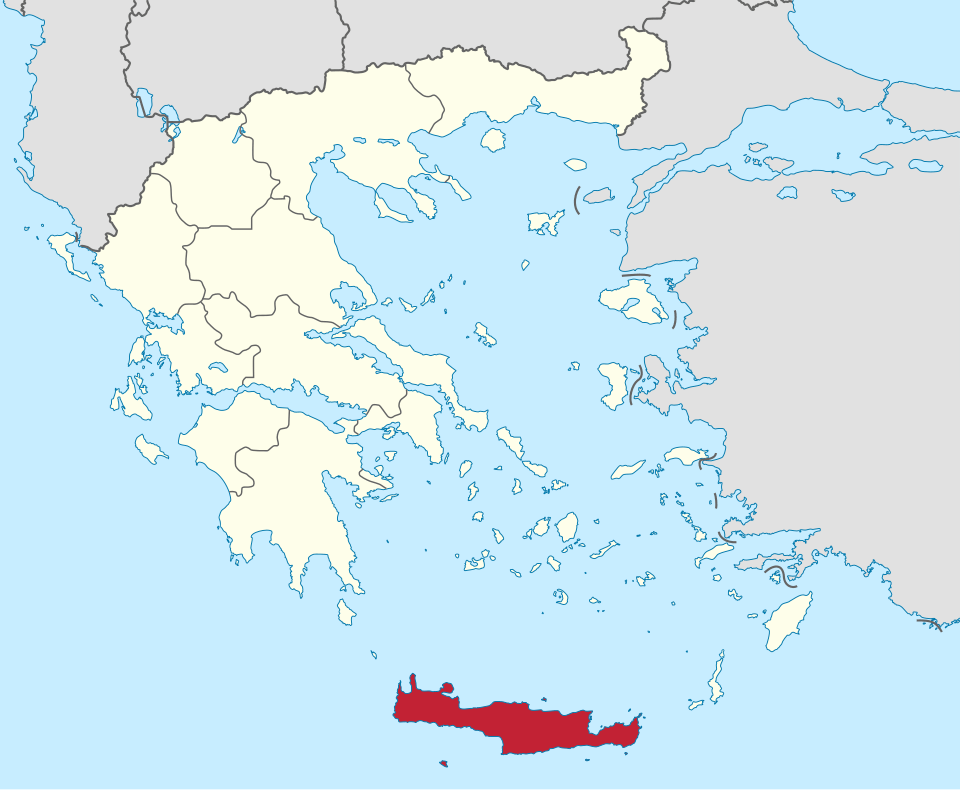
A: Crete
200
Q: King of the Greek gods.
A: Zeus
200
Q: Athens developed this form of government.
A: Direct Democracy (Half points for just "Democracy")
200
Q: The Athenians defeated Persia at this 490 BCE battle.
A: What is the Battle of Marathon?
200
Q: This Roman military reform allowed poor citizens to enlist and increased soldiers’ loyalty to generals instead of Rome.
Marian Reforms
200
Q: First Roman Emperor.
A: Augustus Caesar (or just Augustus is fine). Caesar is incorrect (which Caesar!?)
200
Q: The alliance between Caesar, Pompey, and Crassus was known as this political arrangement.
A: The First Triumvirate
400
Q:The Roman Civilization was primarily based around this peninsula. 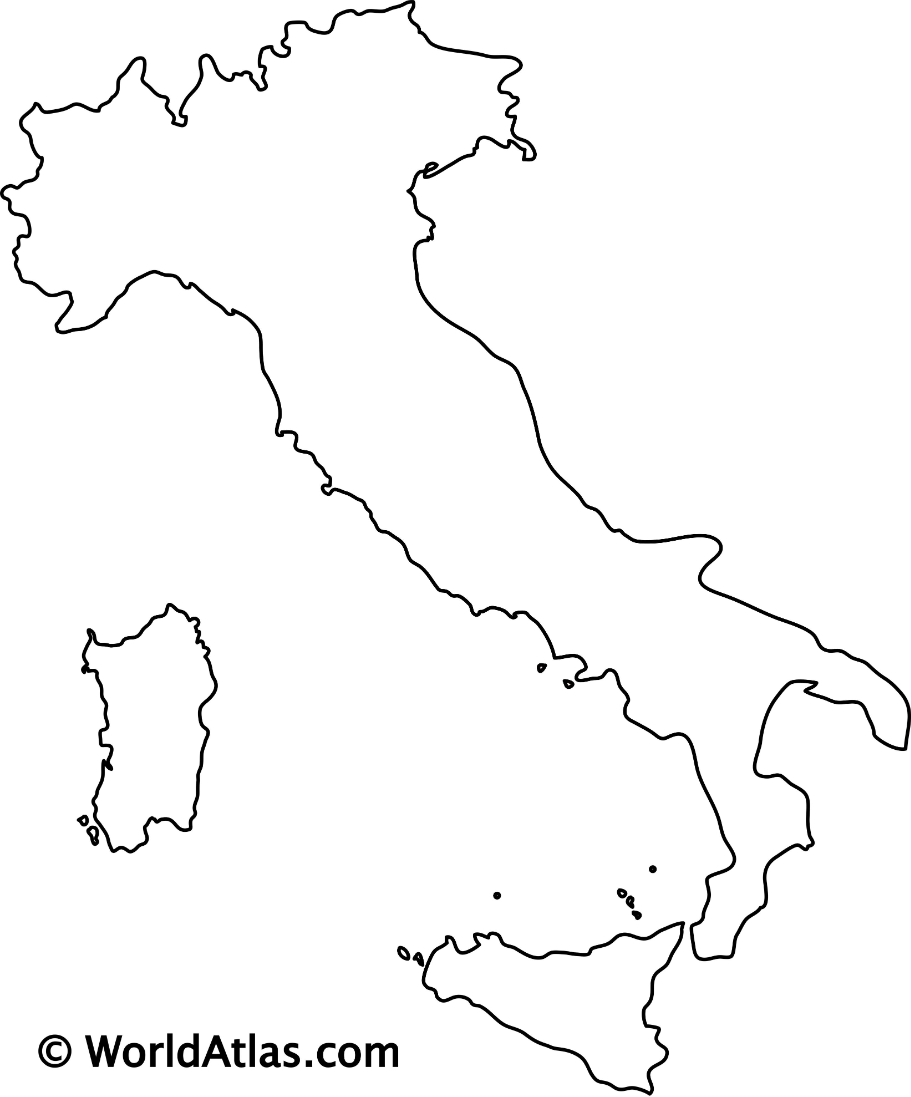
A: Italy or Italian peninsula
400
Q: Roman name for Zeus, Ares, and Poseidon .
A: Jupiter, Mars, and Neptune
400
Q: Only this group could vote in Athens. BE SPECIFIC!
A: Who are free adult male citizens? (Half points for the best partial answer)
400
Q: Spartan king who led 300 at Thermopylae.
A: King Leonidas
400
Q: The last Roman king.
A: Tarquin the Proud
400
Q: Period of Roman peace begun under Augustus.
A: Pax Romana
400
Q: In Athens, this large assembly of citizens voted directly on laws.
A: Ekklesia
600
Q: Homer’s epic about the journey home from Troy.
A: The Odyssey
600
Q: Greek god of the Underworld
A: Hades
600
Q: Spartan full citizens were called this.
A: Spartiates
600
Q: The decisive naval victory against Persia.
A: What is the Battle of Salamis?
600
Q: Two heads of government in the Roman Republic.
A: Consuls
600
Q: Emperor who divided the Empire into four rulers (Tetrarchy).
Diocletian
600
Q: This Athenian political practice allowed citizens to vote to exile someone for 10 years if they were seen as too powerful.
A: Exile OR Ostracism
800
Q: Greek city-states were known as this.
A: Polis
800
Q: Greek goddess of wisdom and patron of Athens.
A: Athena
800
Q: Sparta’s government was unusual because it included ____ kings.
A: Two
800
DAILY DOUBLE
Name two major causes of the fall of the Western Roman Empire and explain why they mattered.
800
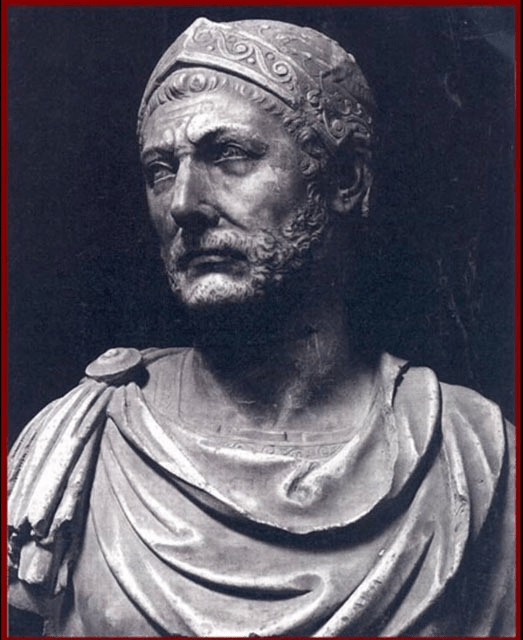
Q: Carthaginian general who crossed the Alps with elephants, starting the Second Punic War. (Full name please)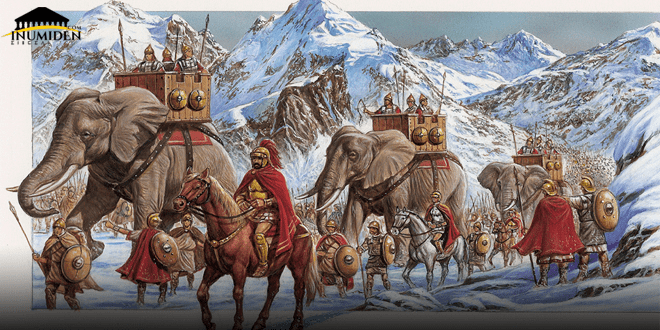
A: Hannibal Barca
800
Q: Emperor who converted to Christianity and begun the process of Rome turning from a Pagan Empire to a Christian Empire.
A: Constantine
800
Q: These elected officials represented the Plebeians and had veto power.
A: Tribunes of the Plebs (Servants of the People)
1000
Q: This hero is the central warrior of the Iliad.
A: Achilles
1000
Q: Greek god of wine and celebration.
A: Dionysus
1000
Q: Enslaved population that Sparta feared would revolt.
A: Helots
1000
Q: The Persian demand for “Earth and Water” symbolized this.
A: Submission to Persian Rule
1000
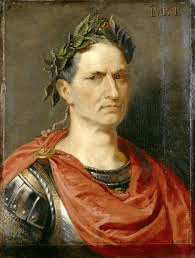
Q: Roman general who crossed the Rubicon and seized power in Rome. (Not Sulla)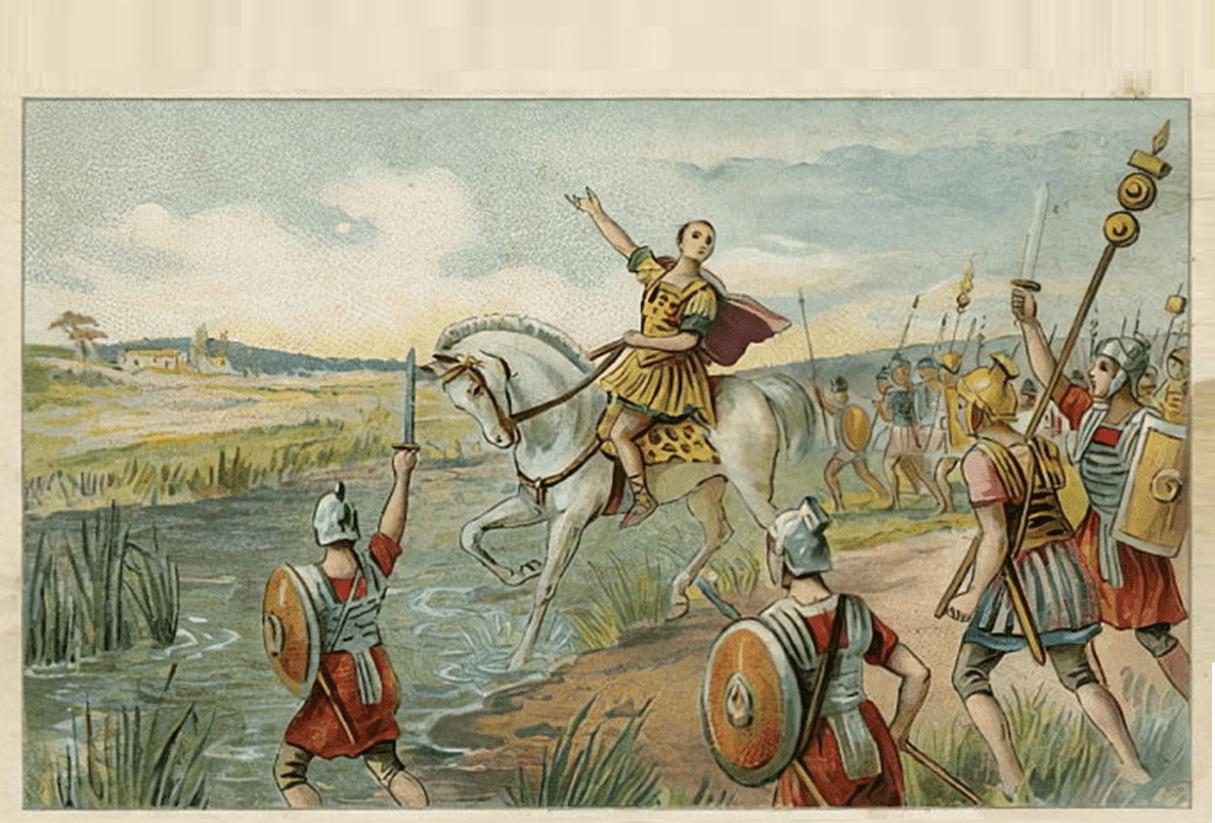
A: Julius Caesar
1000
Q: Germanic group that sacked Rome in 410 CE.
A: The Vandals
1000
Q: After Caesar’s death, this teenage heir inherited his fortune and political name.
A: Octavian
1200
Q: Rome’s legendary twin founders.
A: Romulus and Remus
1200
Q: Cronus overthrew this primordial sky god.
A: Uranus
1200
Q: This Spartan council was made up of 28 elders plus the two kings and helped propose laws.
A: Gerousia
1200
Q: Greek city-states originally rebelled against Persia in this revolt.
A: Ionian Revolt
1200
Q: Caesar’s assassination occurred on this famous date.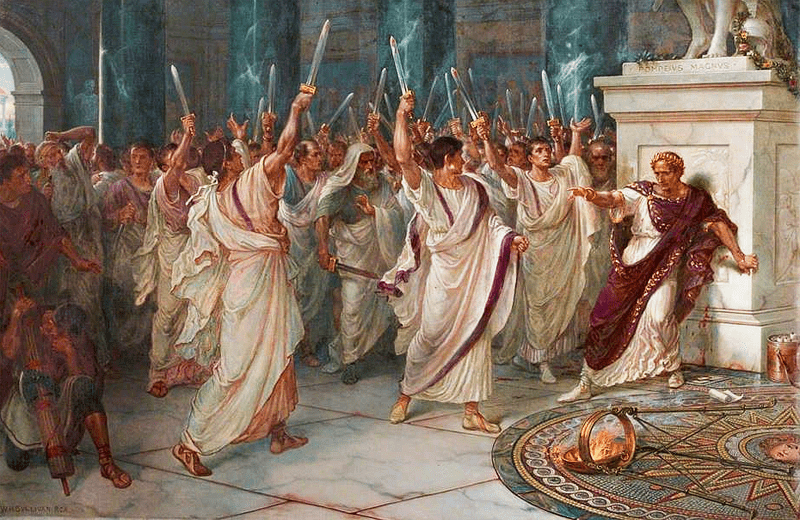
A: Ides of March
1200
Q: Last Western Roman Emperor deposed in 476 CE.
A: Romulus Augustulus
1200
Q: This battle ended the conflict between Octavian and Mark Antony and led to the beginning of the Roman Empire.
A: Actium